
Guide
Why Elgin Garage Doors Slip Off Their Tracks
Off-track garage doors are common in Elgin's mix of 1956-2009 homes, where original hardware and cold winters combine to pull tracks out of alignment.
Local detail
Where People Go Wrong
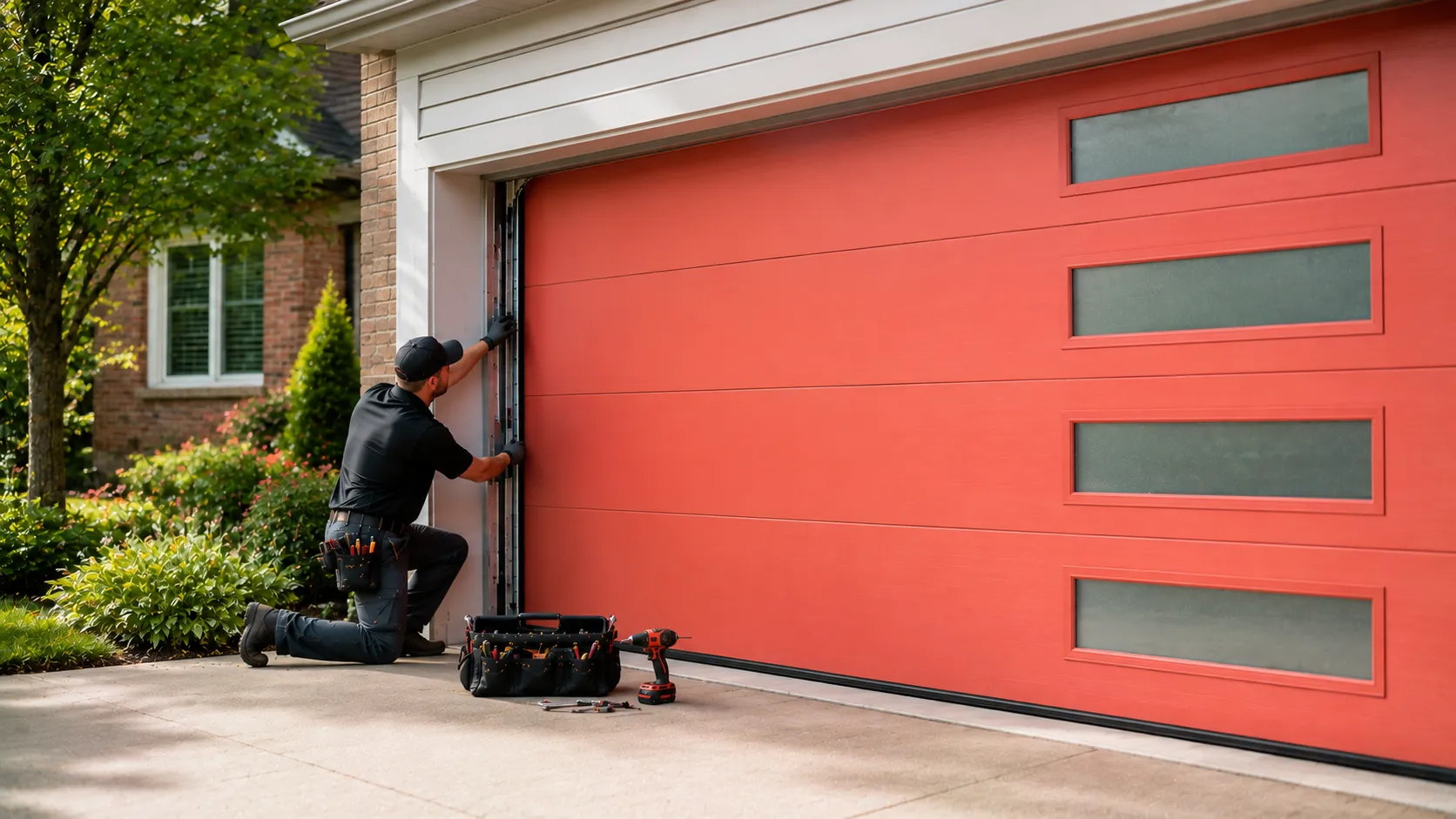
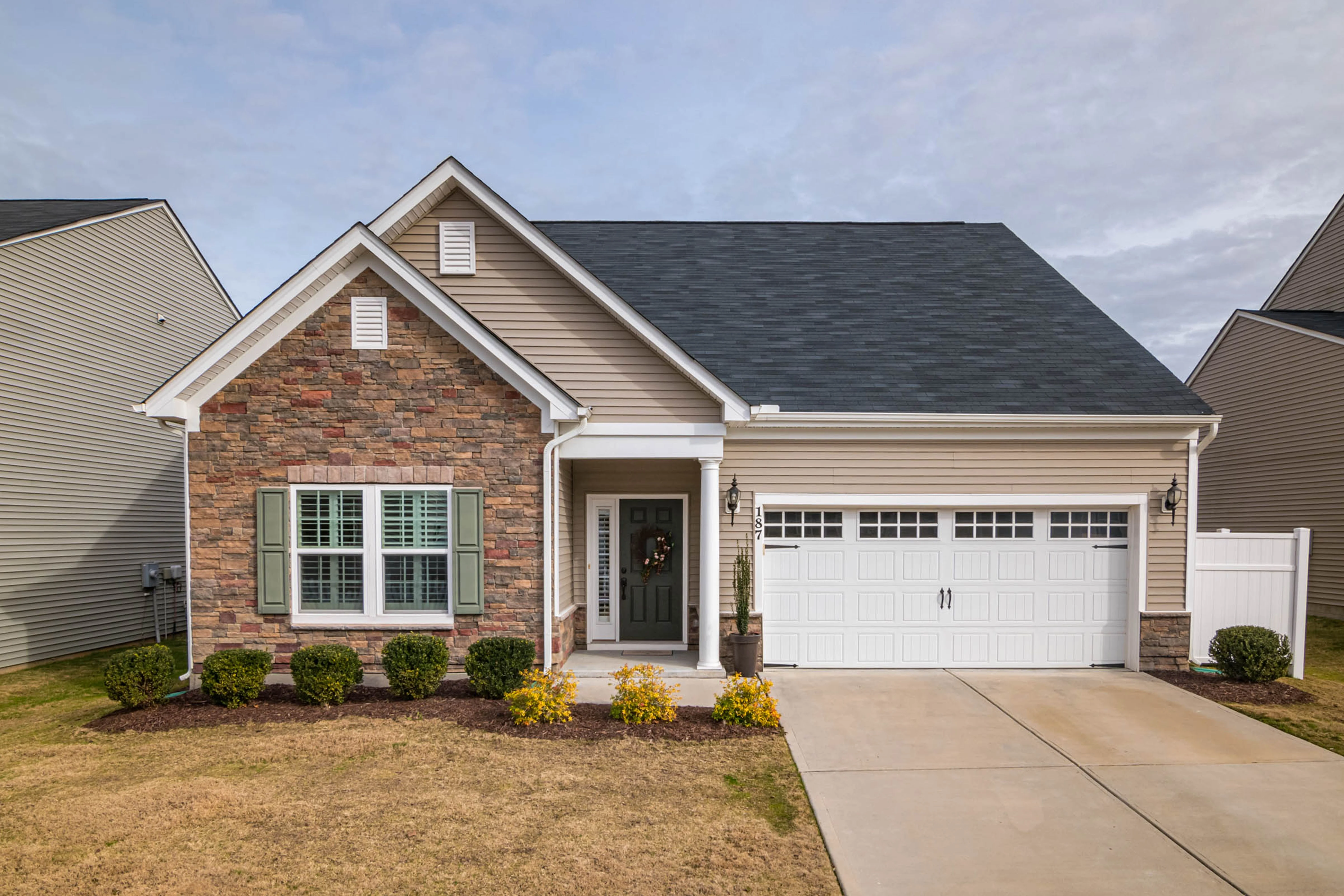
Most Elgin homeowners find out a door is off track the hard way - it stops mid-cycle, or one side hangs lower than the other. The first instinct is usually to push it back into the track by hand or grab a wrench and tighten whatever bolt looks loose. That's the wrong move on a lot of the houses in this area. With homes here built anywhere from 1956 up through 2009, and a median build year around 1986, a big share of the doors we look at are still running on the track brackets and roller hardware that went in with the original build.
Bending a track back by eye on hardware that old usually just moves the bend somewhere else instead of fixing it. The other common mistake is treating a broken cable and a bent track as the same repair - they're not, and forcing the opener to keep cycling once a cable has snapped can bend the track further with every attempt. We don't recommend running the opener at all once a door has visibly jumped its track.
The area
The Problem
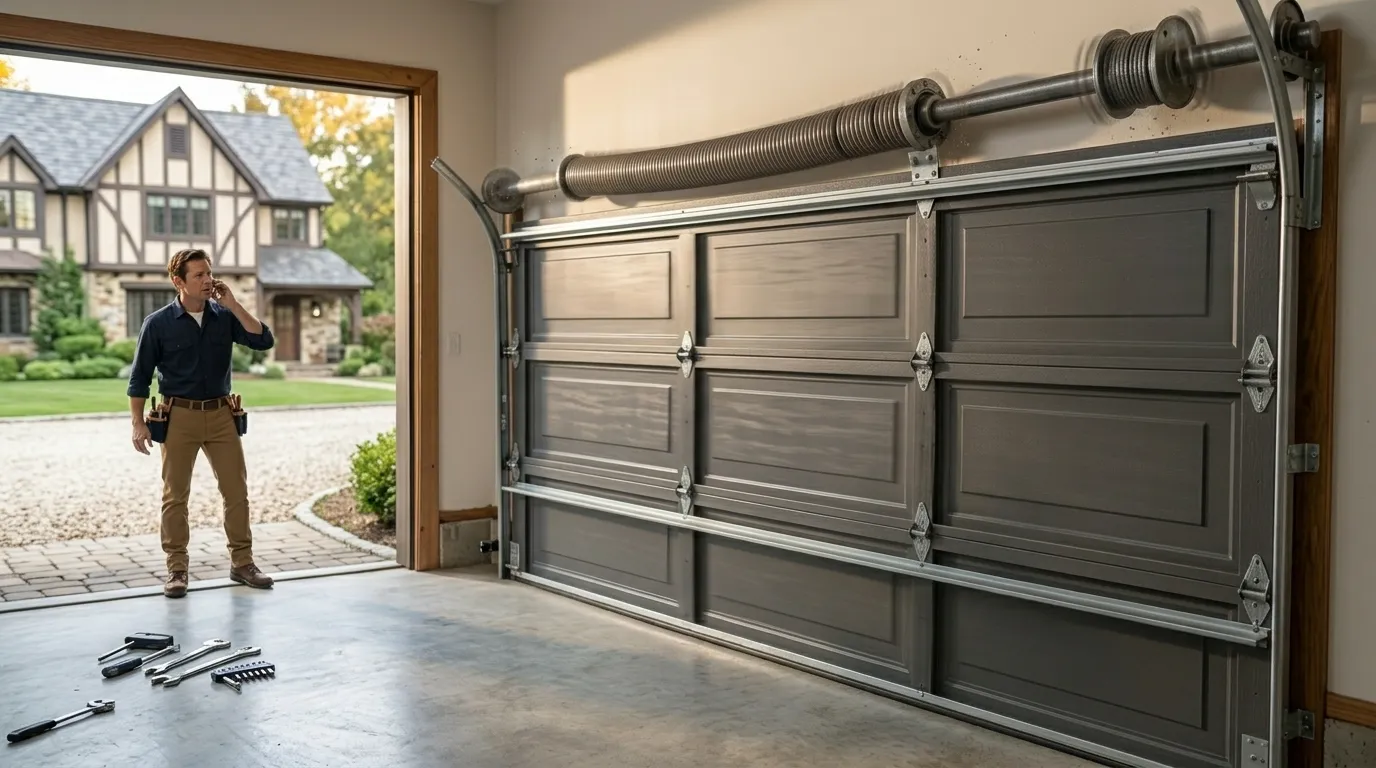
A door goes off track for one of a few reasons: a roller wears down and pops out of the channel, the track itself gets bent from an impact or from age, or a cable breaks and lets one side of the door drop while the other stays up, twisting the whole panel sideways. On the older stock in Elgin - doors installed anywhere in that 1956-2009 window - steel rollers without nylon housings are common, and those wear grooves into the track over enough cycles. Once a roller starts riding loose in a worn groove, it takes less and less force to knock it out entirely.
A single bent track section changes the geometry for the whole door, so even a new roller won't sit right against it. This is also where we're upfront about a limit: if the track is bent in more than one place, or the bend is sharp rather than a gentle bow, straightening it rarely holds. At that point replacing the track section costs less in the long run than repeated call-backs.
What we find
How Local Conditions Play In
Elgin sits in a cold moderate climate band, and that matters more for track alignment than most people expect. Steel track and steel rollers both contract in cold weather, which tightens tolerances that were already snug from wear. On a door that's borderline - a slightly worn roller, a track bracket that's a little loose - a cold snap is often what pushes it from working to jumping the track.
This shows up more on the pre-1990s builds in the area, since those doors have had more winters to loosen the lag screws holding the track brackets to the jamb. We see it less on the newer end of the local stock, houses built closer to 2009, where the hardware hasn't had as many freeze cycles to work bolts loose. If your house falls on the older side of Elgin's build range, a yearly check of the track bracket bolts before winter is worth the twenty minutes it takes.
How we work
The Seasonal Bit
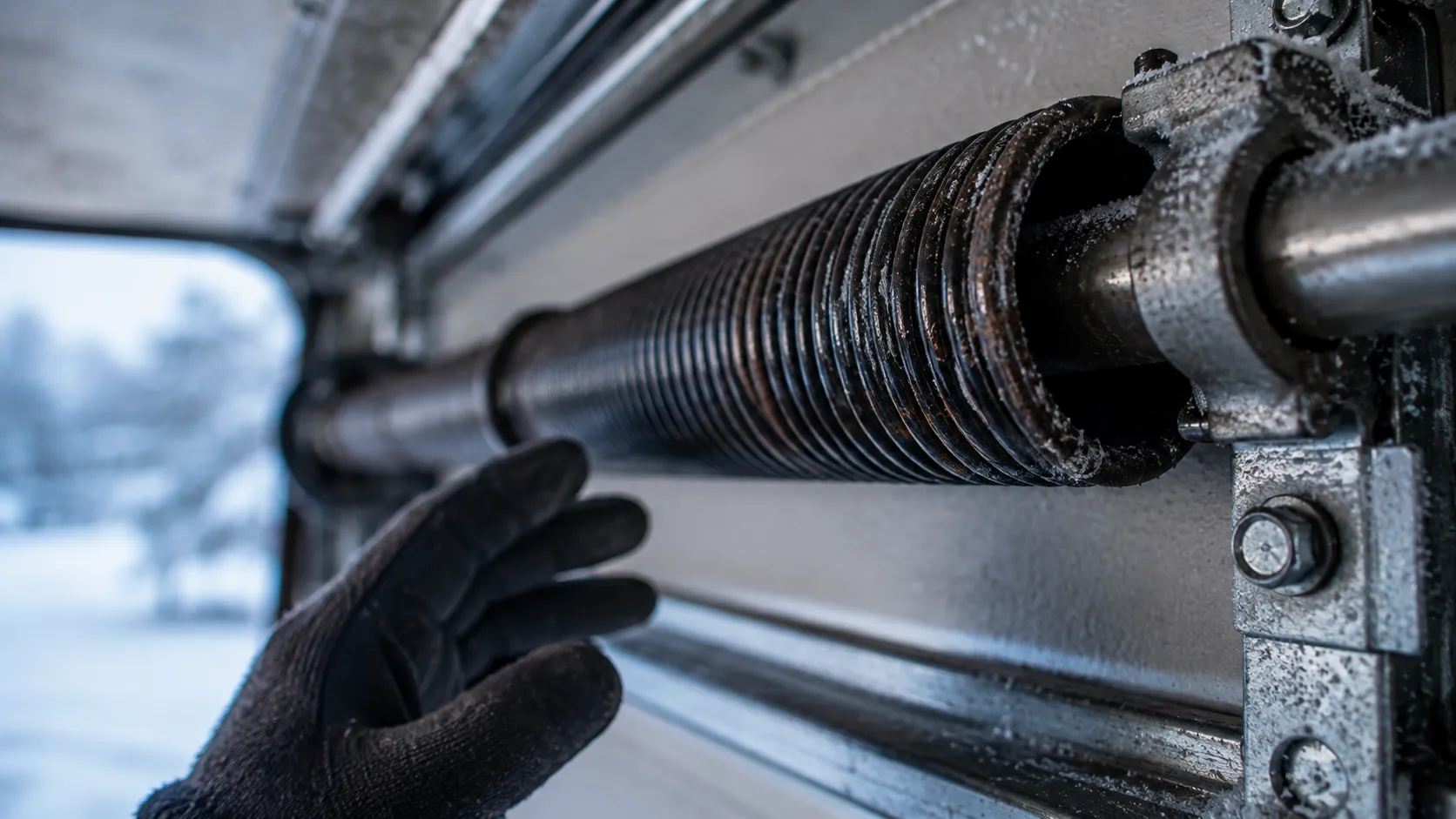
The switch from warm to cold is when we get the most off-track calls in Elgin, not the deep cold itself. As temperatures drop, the steel track shrinks slightly and any built-up slack in the roller-to-track fit tightens up fast, which is exactly the condition that turns a marginal roller into one that jumps the channel. Ice at the base of the track adds another layer - moisture that gets into the bottom bracket area and freezes can shift the track's position by a fraction of an inch, which is enough on a door that's already close to worn tolerances.
None of this means you need to do anything differently day to day. It means the bolts and rollers that were fine in September are the ones worth a look before the first hard freeze, especially on the older houses that make up a large share of Elgin's housing stock.
Questions
Common questions
My garage door jumped the track overnight - did the cold cause that?
Cold snaps are a common trigger, but they're rarely the whole story. Steel track and rollers contract in cold weather, which tightens tolerances on hardware that's already worn or loose. If your door jumped track during a temperature drop, there was likely a worn roller or loose bracket bolt that the cold pushed past its limit.
Is it safe to keep using the opener if the door is off track?
No. Running the opener on a door that's jumped its track can bend the track further with every cycle and puts more strain on the cables and the opener itself. Leave the door where it is and get it looked at before trying to open or close it again, even by hand if it's fighting you.
How do I know if my track needs replacing instead of straightening?
A single gentle bend can often be corrected. Multiple bent sections, a sharp kink, or a track that's pulled loose from more than one bracket usually won't hold a repair. On older Elgin homes with original hardware, replacing a worn track section is often the more durable fix long term.
Ready when you are
Need a garage door sorted in Elgin?
Elgin Garage Door Pros repairs and installs garage doors, springs and openers in Elgin, IL and the surrounding area.