
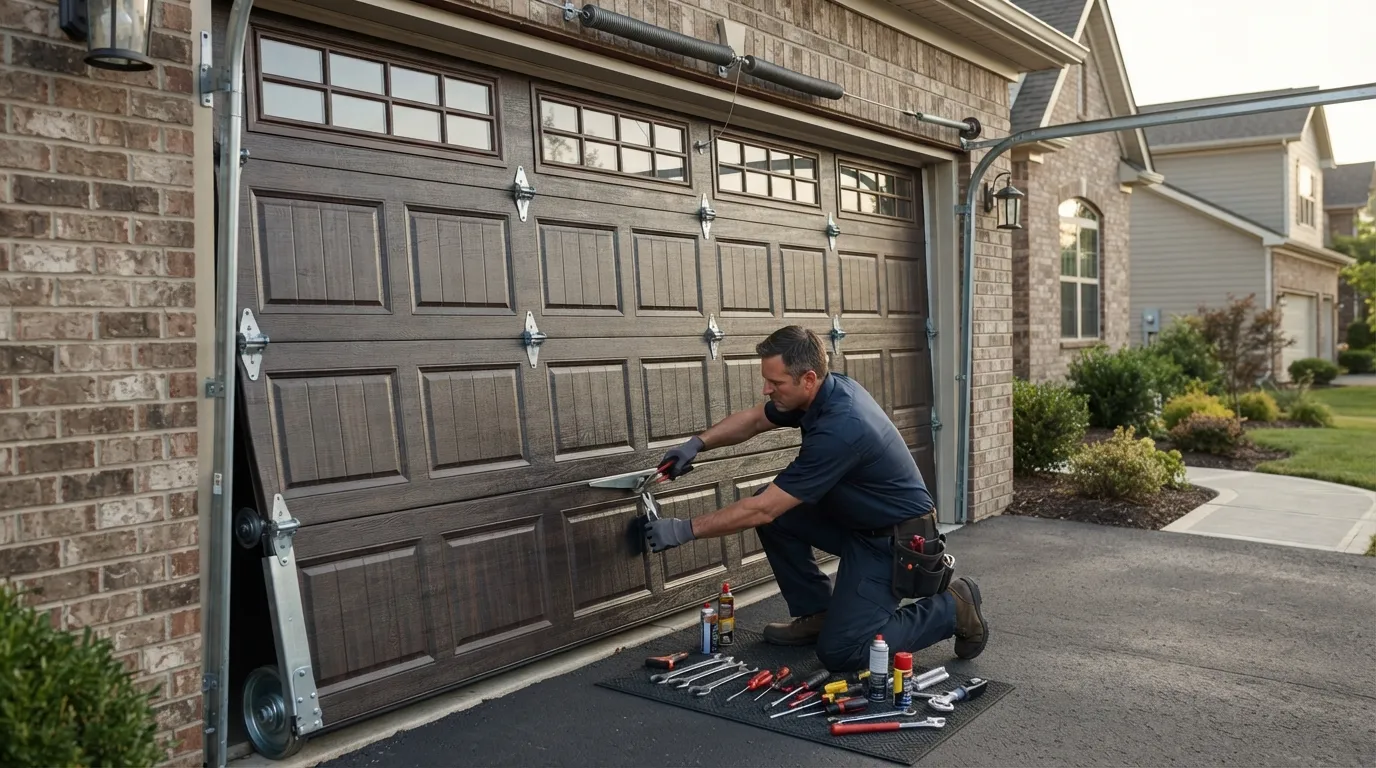
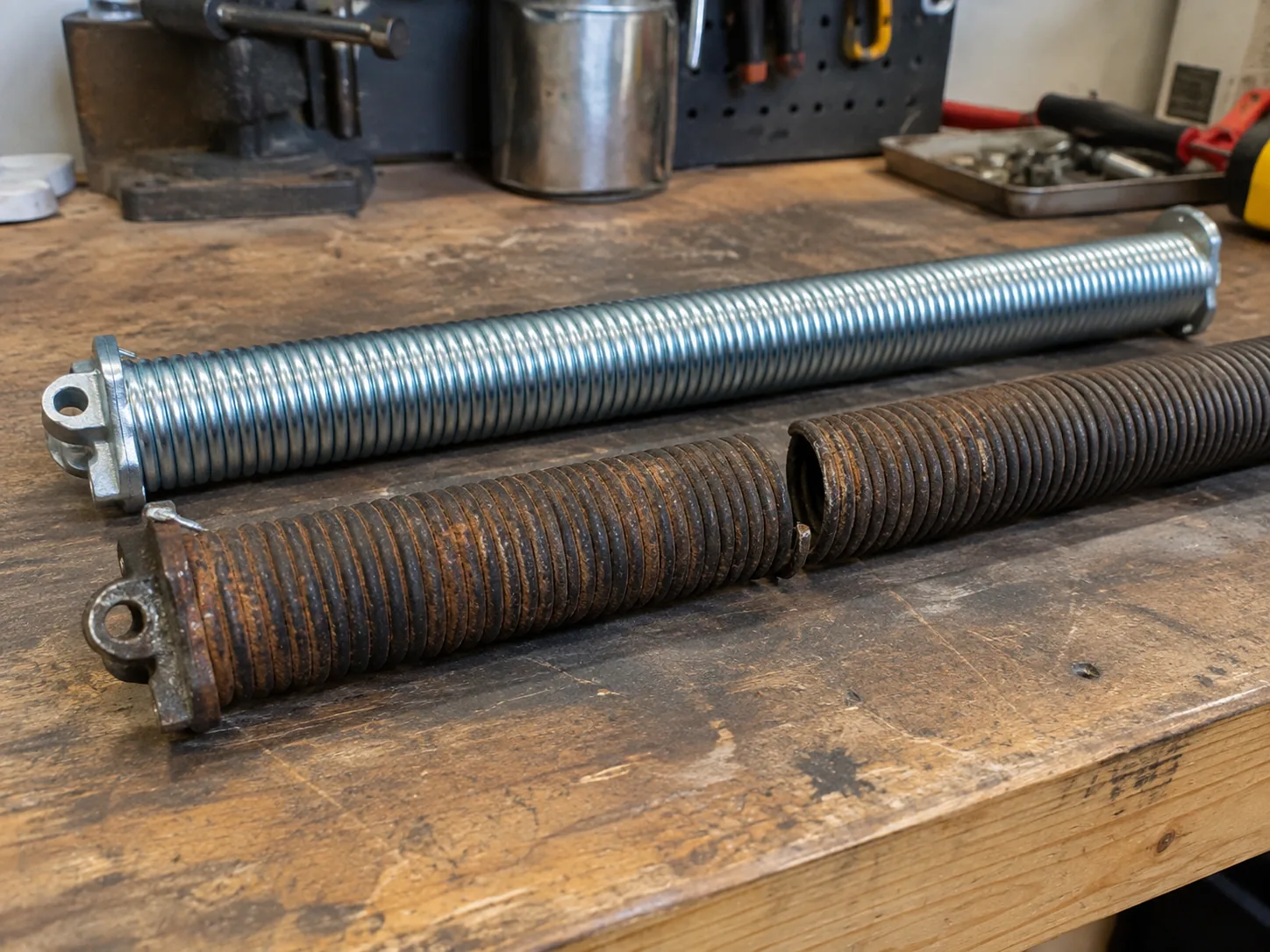
Broken Torsion Springs
Garage door springs eventually reach the end of their useful cycle life after years of repeated opening and closing, and they're the most common service call here.
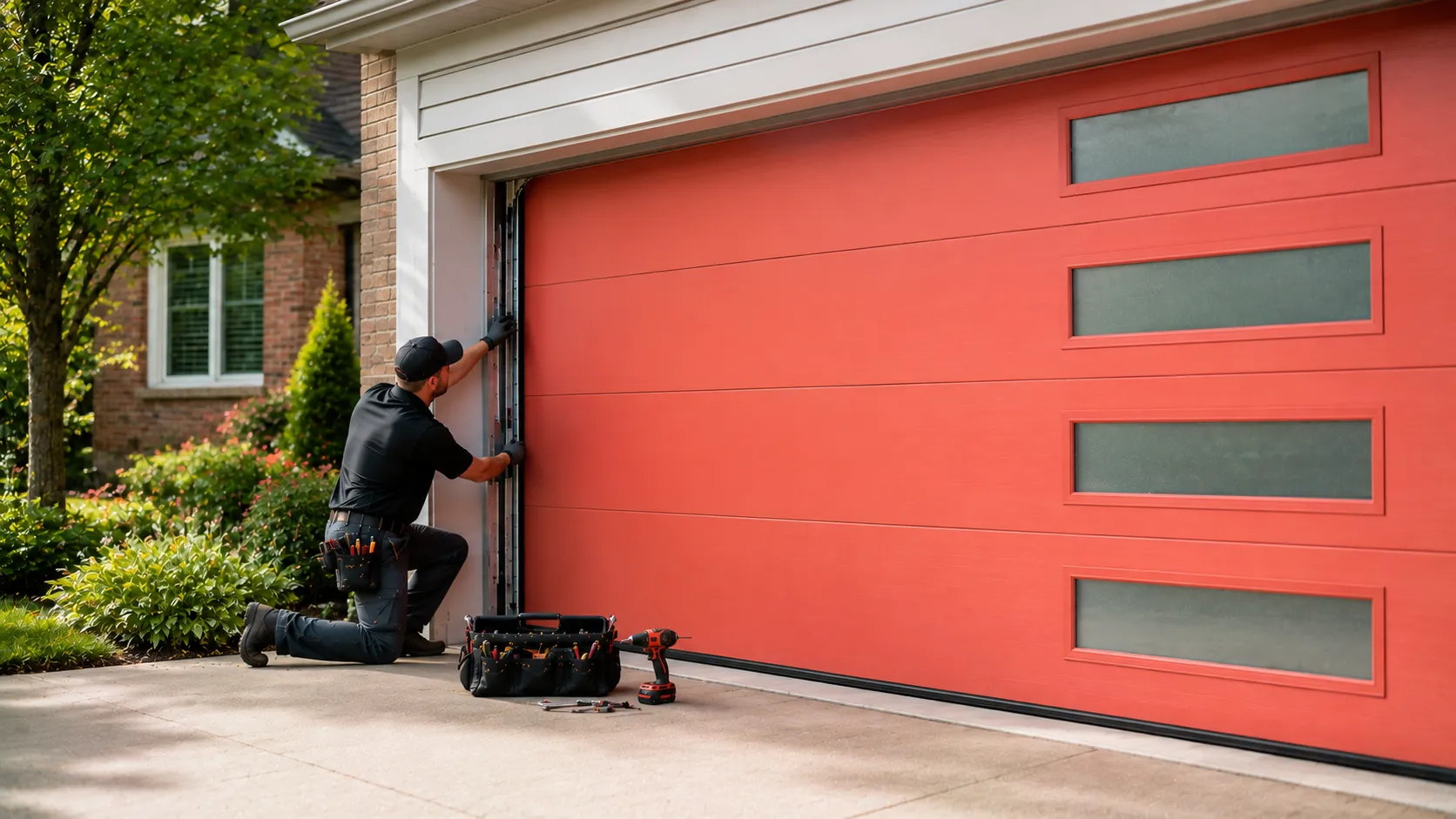
Local garage door service · Elgin, IL
Garage door repair and installation for Elgin homes spanning 1956 through 2009, covering commercial garage doors, off-track repair, panel replacement, roller replacement, spring repair, and the residential systems common across the area's 1980s- and 90s-heavy housing stock.
Garage door services
From commercial garage doors and installation to off-track repair, panel replacement, roller replacement, spring repair, and general garage door service, the lineup is built around the systems common across Elgin's 1980s- and 90s-heavy housing stock.
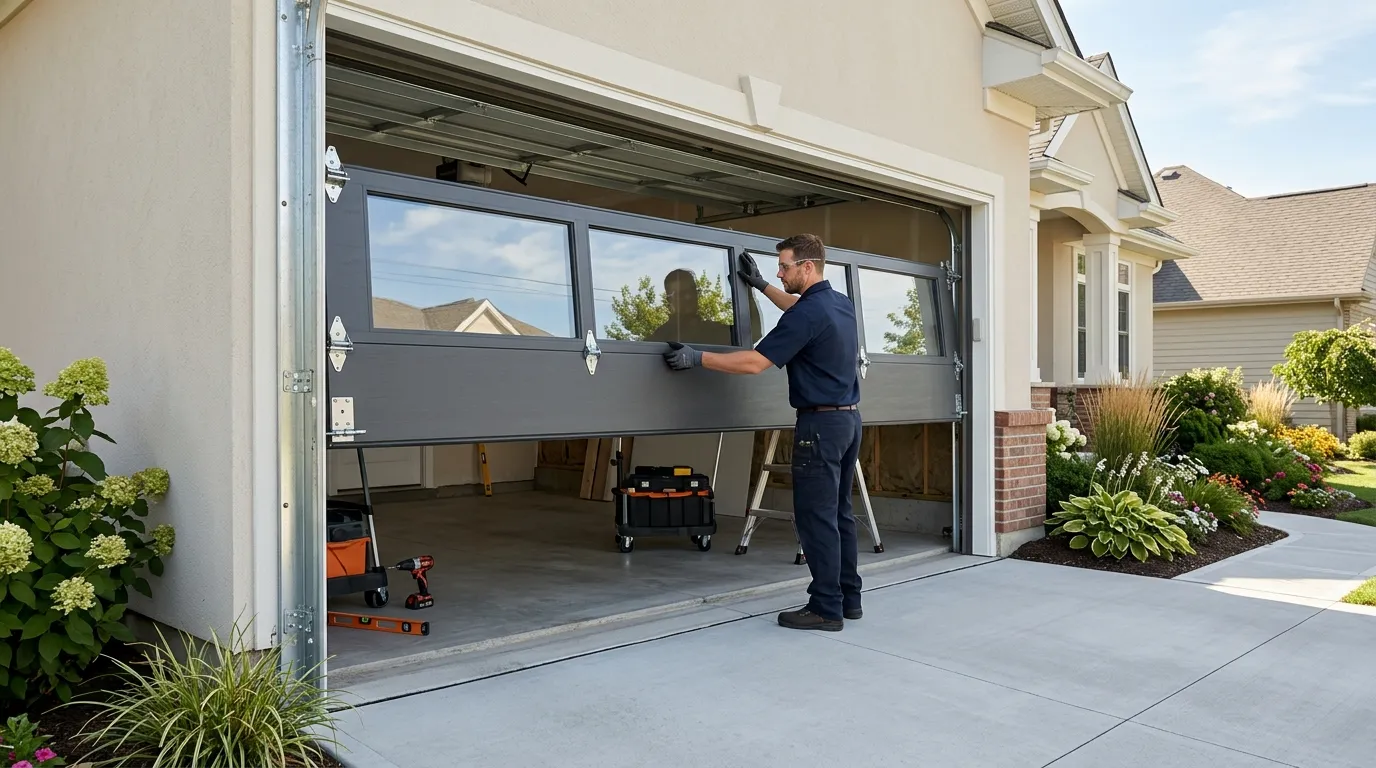
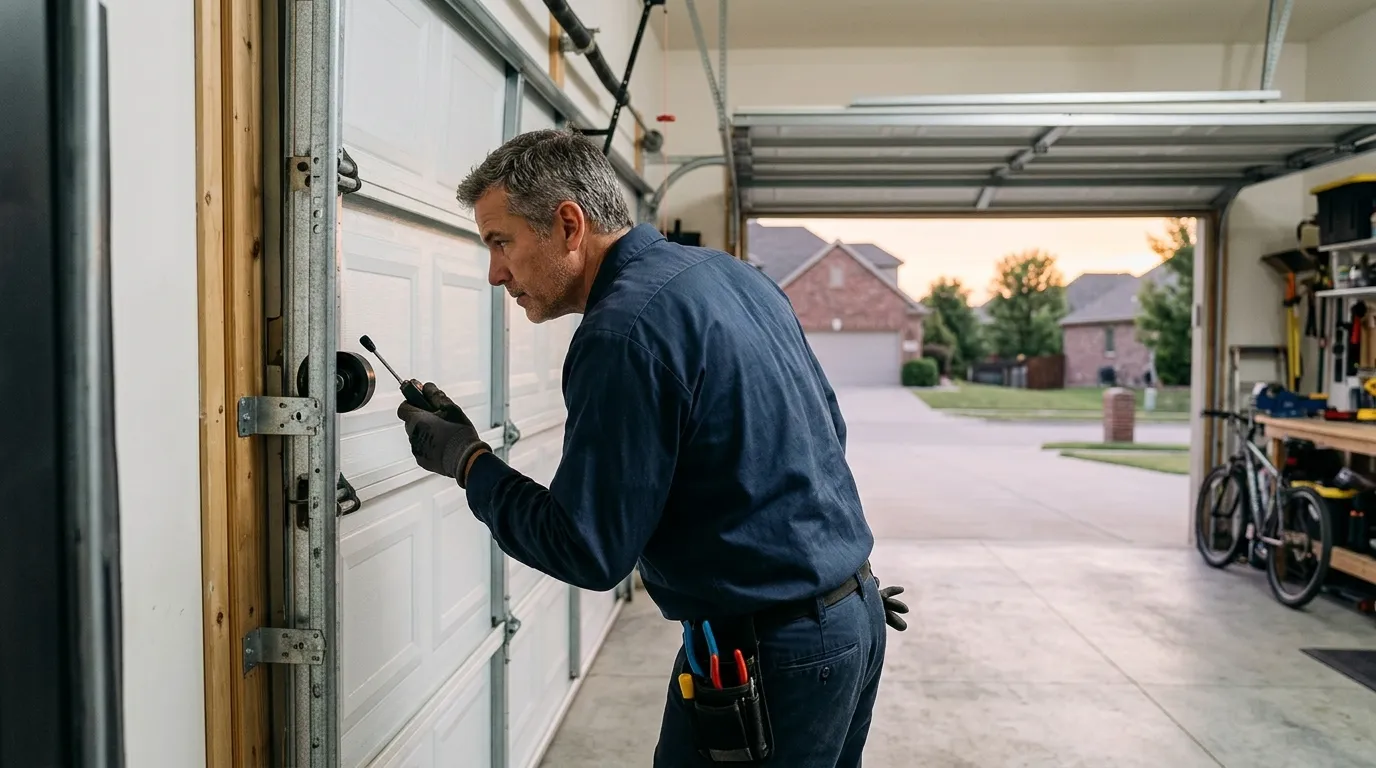
What to expect
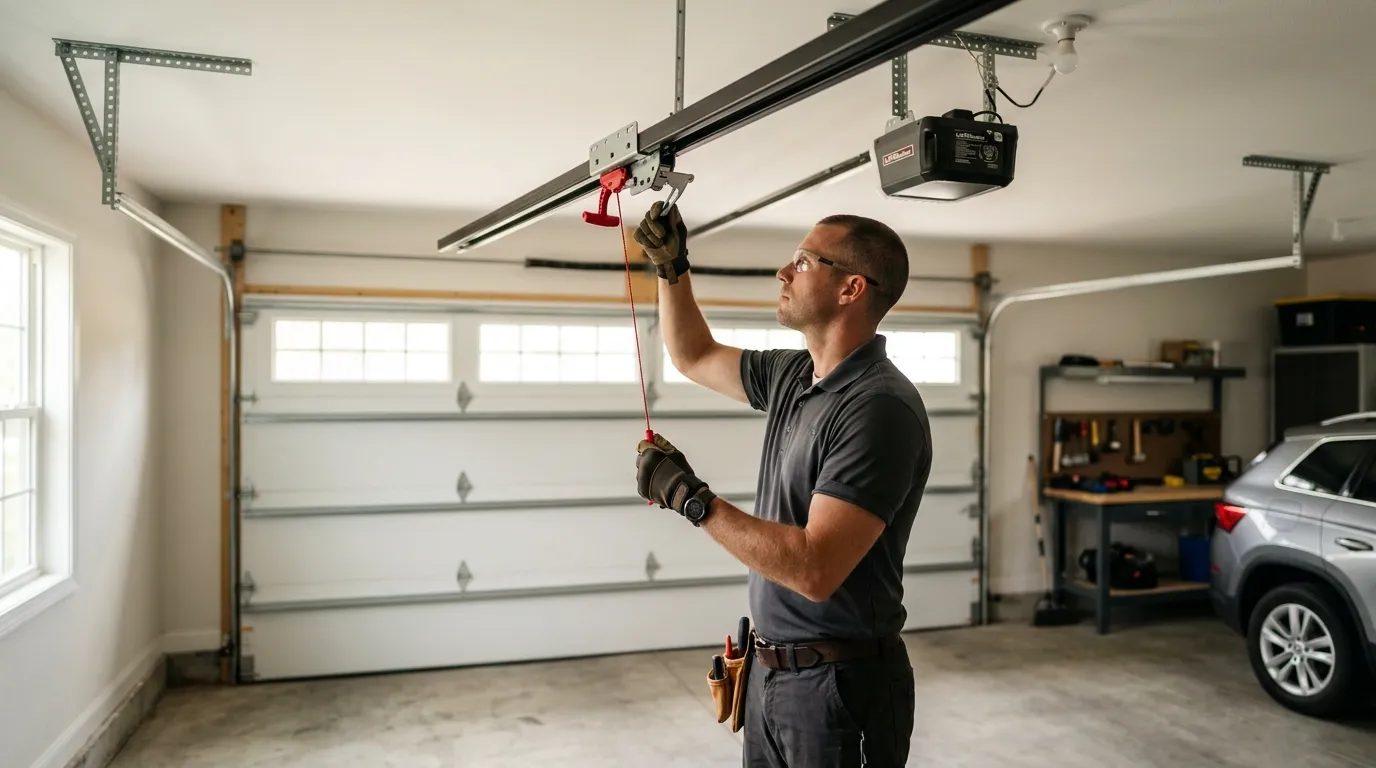
We start with what the door is actually doing, use the home's build era as context for the likely hardware, then inspect the whole system before recommending and pricing the repair.
Tell us whether the door won't close, grinds on the way up, moves unevenly, or has one side hanging lower than the other. That's the starting point.
We use the approximate build era to help anticipate common spring, opener, roller, track, and cable configurations before we arrive.
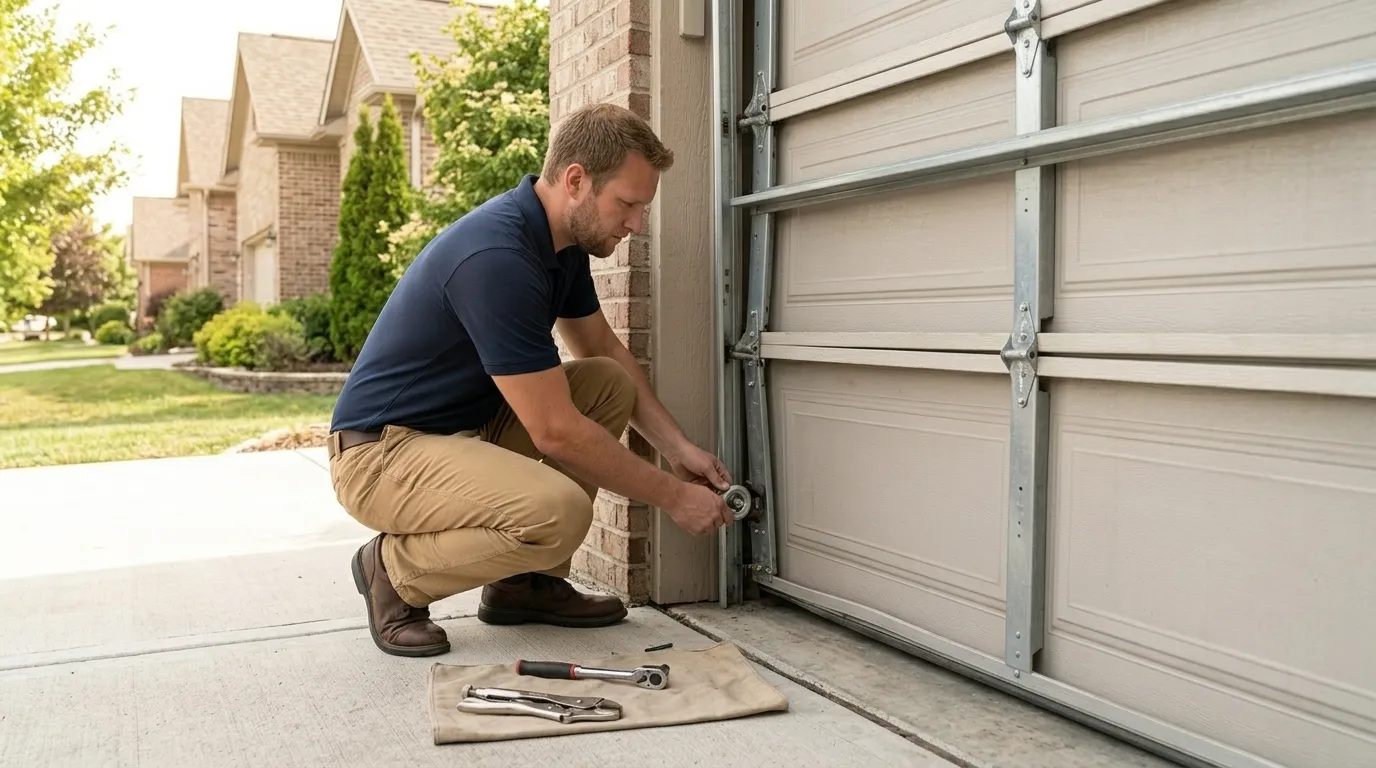
Track alignment, cable wear, spring condition, rollers, opener force settings, and surrounding hardware are checked before recommending work.
The repair scope and price are explained before work begins, including when a special-order part changes the timeline.
Some Older Parts May Need Ordering
Discontinued opener components and other older hardware may require special ordering instead of being available during the initial visit.
Common Elgin garage door problems
Broken springs, aging openers, worn rollers, cable problems, bent tracks, and corrosion make up much of the work across Elgin's 1980s- and 90s-heavy housing stock. Broken torsion springs are the most common call; opener trouble follows on older units with worn drive gears or failing logic boards; rollers and hinges go noisy after decades; cables fray around the drum and tracks bend on impact; and some steel doors show corrosion around lower panel hardware and weatherstrip retainers.
Garage door springs eventually reach the end of their useful cycle life after years of repeated opening and closing, and they're the most common service call here.
Older openers can develop worn gears, logic-board failures, motor issues, sensor problems, or other drive-system faults as they age.
Older rollers can become noisy, rough, cracked, or resistant after years of travel through the track, which puts extra strain on the opener.
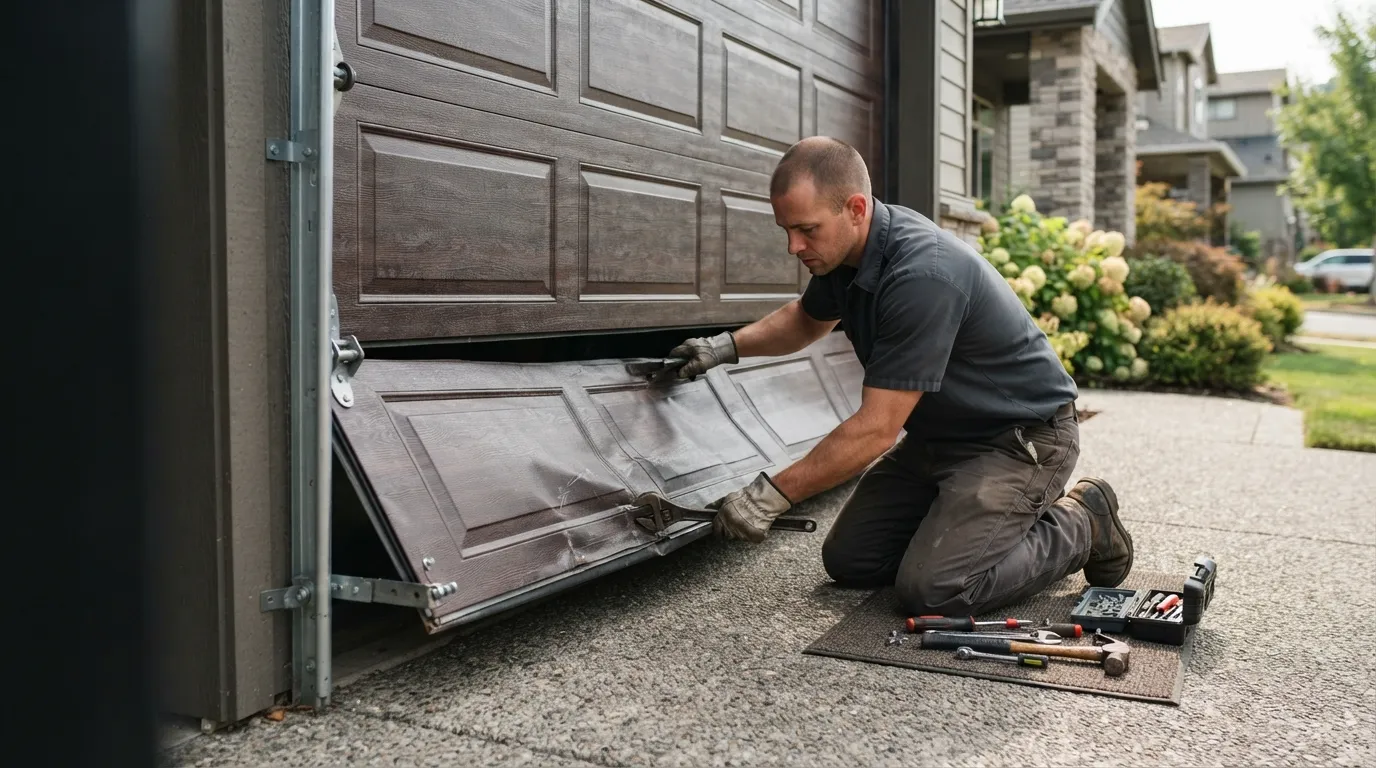
Bent tracks, loose alignment, or frayed cables can leave the garage door moving unevenly or unable to travel safely, so the fix addresses the cause.
Moisture and age can contribute to corrosion around exposed steel panels, hardware, and lower weatherstrip retainers on some doors.
Repair or replace?
A broken spring, roller, cable, track, panel, or opener component does not automatically mean the complete garage door needs replacement. Replacement becomes more practical when several major components are failing together or critical older parts are difficult to source.
A targeted spring repair can make sense when the panels, tracks, rollers, cables, and opener remain serviceable. One worn spring is no reason to replace a sound door.
Replacement can make more sense when an older opener repeatedly fails and compatible electronics or drive components have become difficult to source.
When springs, rollers, cables, and panels are all deteriorating together, broader replacement can offer better long-term value than repeated repairs.
A door with good structural condition and one failed component remains a repair candidate regardless of its age.
Local housing matters
The broader source service area spans housing built from 1956 through 2009, with a median build year around 1986 and much of the stock concentrated in the 1980s and 90s.
That creates a large number of garage doors with similar spring, roller, track, opener, cable, and panel generations reaching repair age at roughly the same time.
There are approximately 320,043 households across the broader area, including about 171,218 owner-occupied houses.
Older homes can combine original tracks or springs with replacement openers and newer panels, while later homes are more likely to use standardized modern hardware.
The build year provides useful context, but the right repair still depends on the actual system installed today.
1980s–90s garage door systems
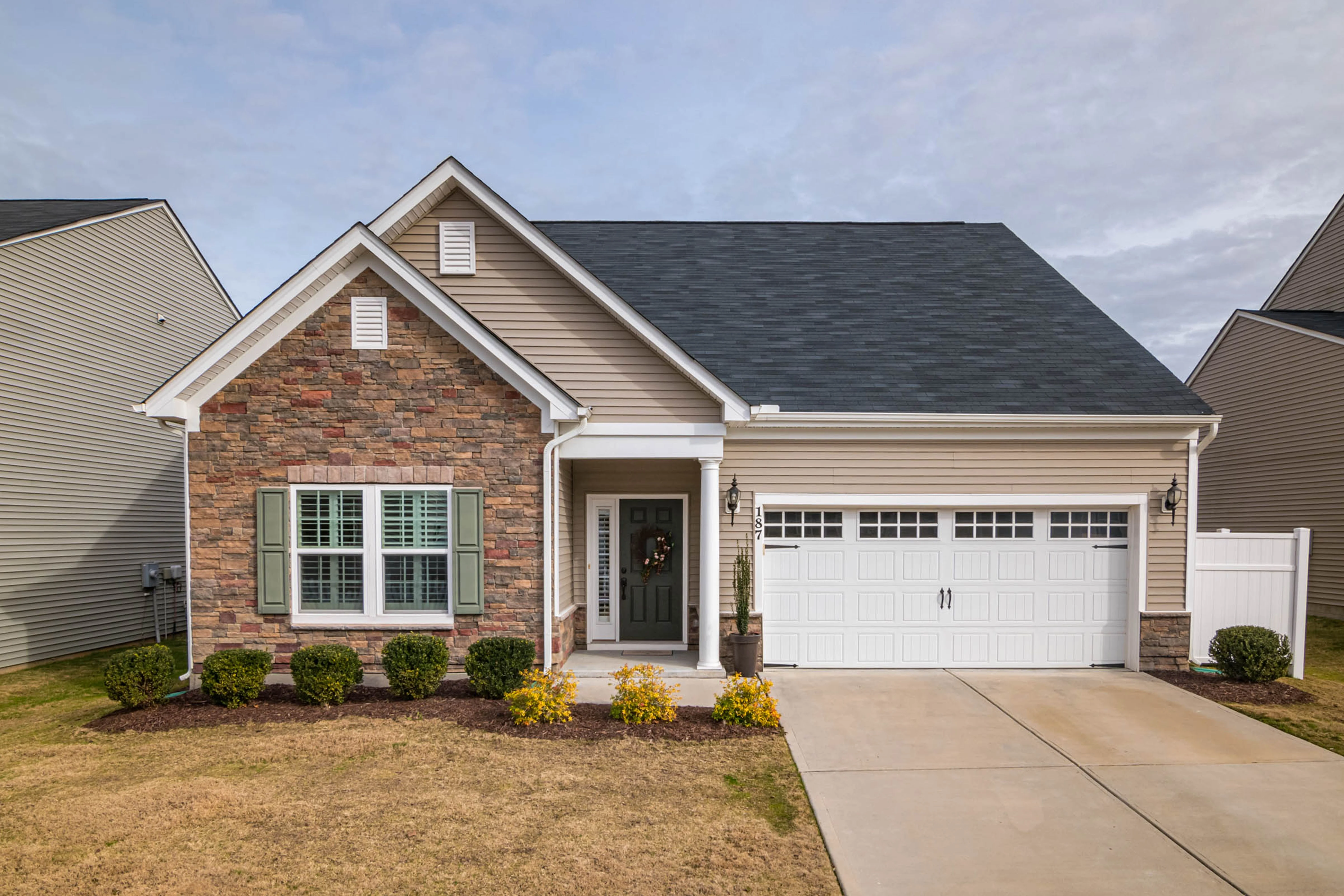
Homes concentrated around the 1980s and 90s often share similar sectional-door layouts, torsion systems, opener generations, rollers, tracks, and builder-era hardware.
Steel garage doors are common across the housing stock from the area's major building decades, which shapes how panels and hardware are repaired.
Torsion springs are a recurring repair category and need to be matched to the actual door weight and installed configuration, not a generic spring.
Openers installed during the 1980s and 90s can now have aging gears, motors, logic boards, controls, and sensors reaching repair age.
A garage may have a newer opener or panel while retaining older tracks, cables, springs, brackets, or rollers.
Seasonal garage door wear
The area has cold-moderate conditions, and seasonal temperature changes can make existing spring, roller, track, seal, and corrosion problems more noticeable through the year.
Cold-weather operation can expose weakness in springs that are already approaching the end of their useful cycle life, which is why springs often let go in winter.
Older rollers, hinges, and lubrication can move less smoothly when colder conditions add resistance to an already worn system.
Existing cable or alignment problems can become easier to notice when the door is operating less freely under seasonal resistance.
Condensation and long-term moisture exposure can contribute to surface rust around lower steel door hardware and retainers.
Built around Elgin garage doors
The right repair depends on the springs, cables, rollers, tracks, opener, panels, and previous changes actually installed on the garage door today — not a generic national parts list.
On an older door, the component that fails first may not be the only part approaching the end of its useful life, so more than the symptom gets checked.
Spring, roller, cable, track, and opener work should reflect the actual installed configuration rather than the house age alone.
If one failed component is the real problem and the rest of the system remains sound, complete replacement isn't the default recommendation.
If older opener electronics or other uncommon components require special ordering, the repair timeline should reflect actual availability.
Clear repair guidance
There isn't one flat repair price, because spring work, cable repair, opener components, track problems, panels, and rollers can involve very different parts and labor.
Door size and weight, single versus paired springs, opener age, logic-board or gear failure, parts availability, and surrounding hardware condition can all change the job.
Median household income across the broader service area is approximately $111,898.
We provide the repair price before work begins rather than allowing the scope to change unexpectedly after the job starts.
If several major components are failing together, we compare repair with replacement instead of automatically continuing to patch the system.
Service areas
Questions
Most houses in this service area were built between 1956 and 2009, with the median landing around 1986, so there's a good chance your door and opener are original equipment from the 1980s or 90s. That's useful to know before we arrive because it usually tells us the spring size and opener type in advance.
Yes. South Elgin is about three miles out and Sleepy Hollow about four, both well within the area we run trucks to regularly, along with West Dundee, Gilberts, East Dundee, and Carpentersville a bit further out.
Spring life is rated in cycles, not years, and a two-car door on a busy household can burn through a ten-to-fifteen-year rating faster than expected. Add thirty-plus years of freeze-thaw swings typical of this climate band, and an original spring on a 1980s-built house is often overdue, not early.
Yes. If the springs, rollers, and a panel are all failing around the same time on an original 1980s-90s door, you're chasing separate failures instead of fixing one problem, and full replacement usually costs less over the next year or two than piecing it back together.
Ready when you are
Tell us what the door is doing and we'll help you figure out whether you're dealing with a spring, roller, cable, track, off-track door, damaged panel, aging hardware, or a system that's reached the point where replacement makes more sense.