
Guide
What Actually Happens During a Garage Door Service Call in Elgin
In Elgin, most homes date to the 1980s-90s stock and see cold winters. Here's what a garage door service call checks - spring, track, opener, and seals.
Local detail
Where People Go Wrong
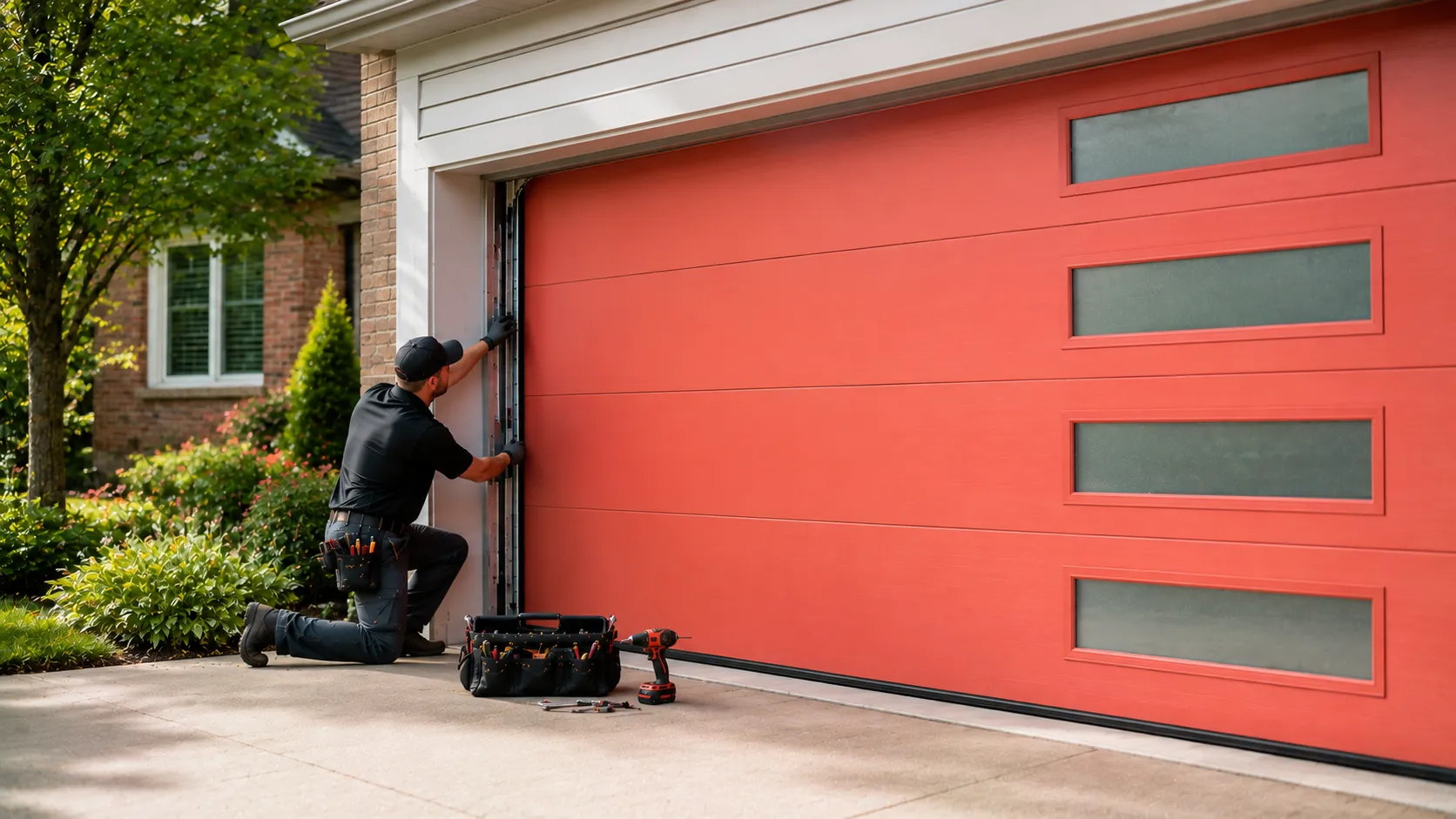
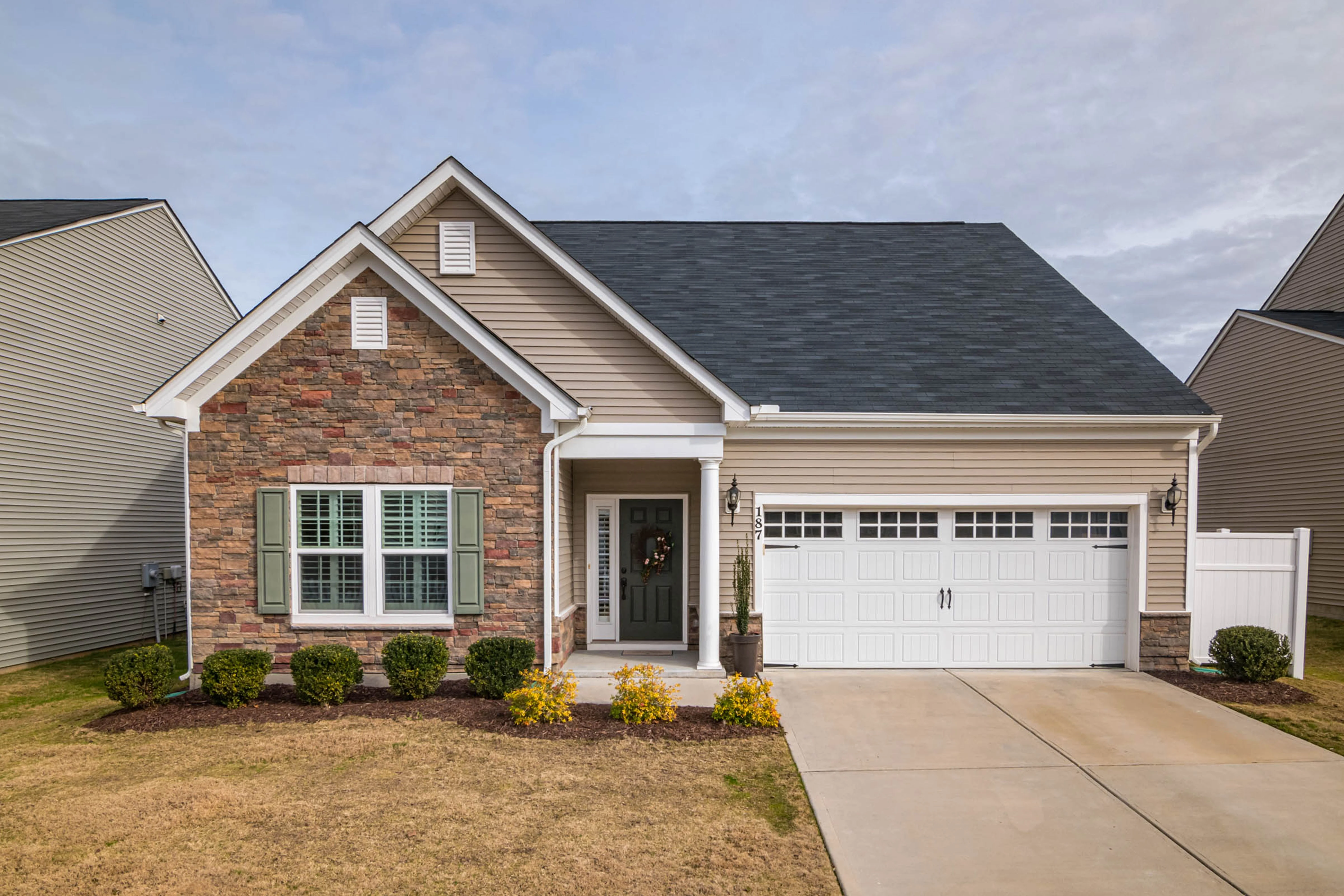
Most calls start the same way: a door that's making noise, or one that won't open, and a homeowner assuming the fix is a squirt of oil and a five-minute adjustment. That's rarely what's actually wrong. Housing across this service area went up mostly between 1956 and 2009, with the median landing around 1986, so the springs, cables, and openers still running in a lot of these garages are the same hardware generation the house was built with.
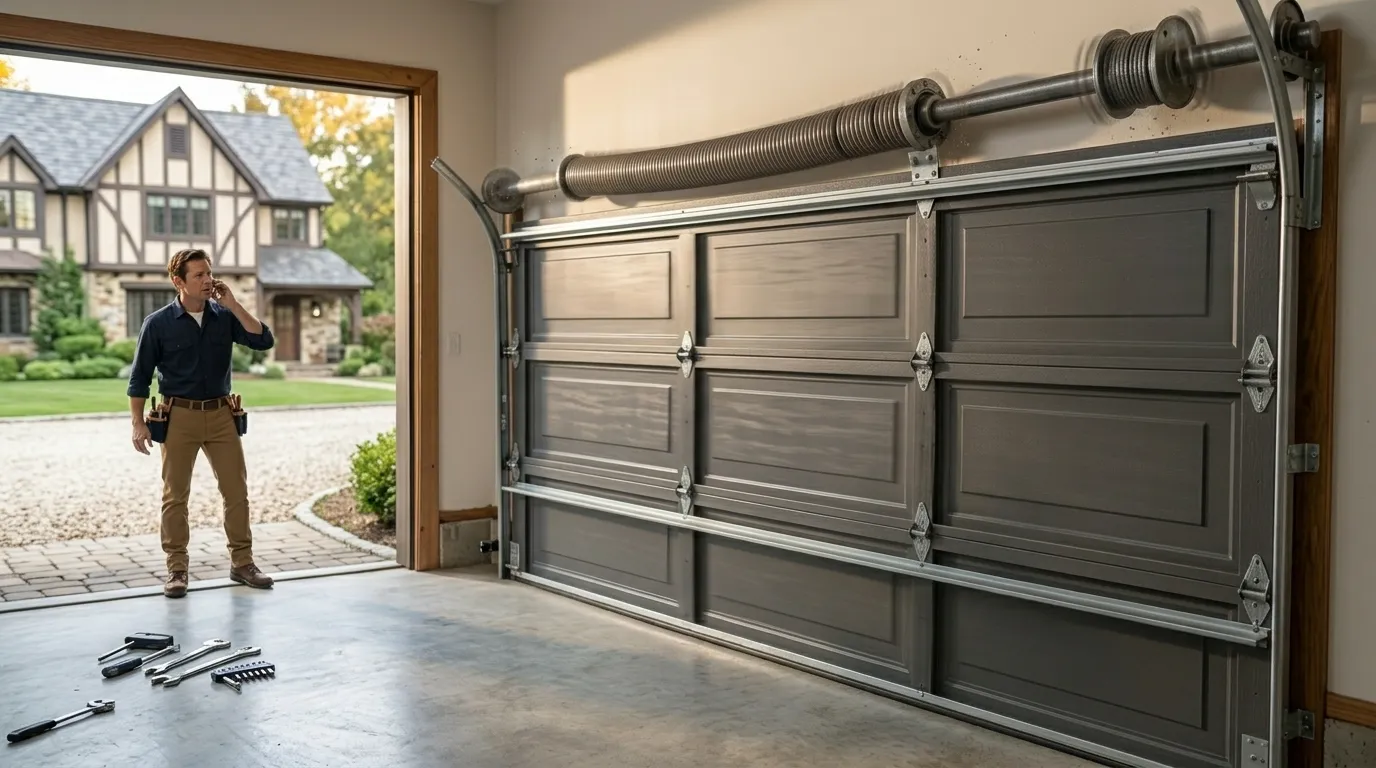
A tech who just lubes the track and calls it done is skipping the part that actually fails: the torsion spring losing wind tension, a cable fraying at the drum, or a decades-old opener drive gear worn past spec. A real service call checks the spring system first, then the track alignment, then the opener - in that order, because the spring is what's under load and what hurts someone if it lets go. Skipping straight to the noisy part means missing the part that's actually dangerous.
The area
The Problem
Here's the honest part: not every door is worth fixing. If a door dates to the early end of that 1956-2009 build range and the track, hinges, and panel are all original, patching one system while the rest is near the end of its life is a short-term answer. We don't stock every spring size or opener part for every year of construction in this area - some of the oldest units need a part ordered in, and we'll say that up front instead of jury-rigging a fix that fails again in six months.
A proper service call also means telling a homeowner when replacement beats repair: cracked panels, a track bent from age rather than impact, or an opener that's already been rebuilt once. We'd rather lose the smaller repair ticket than have someone call back in a month with the same door down again.
What we find
How Local Conditions Play In
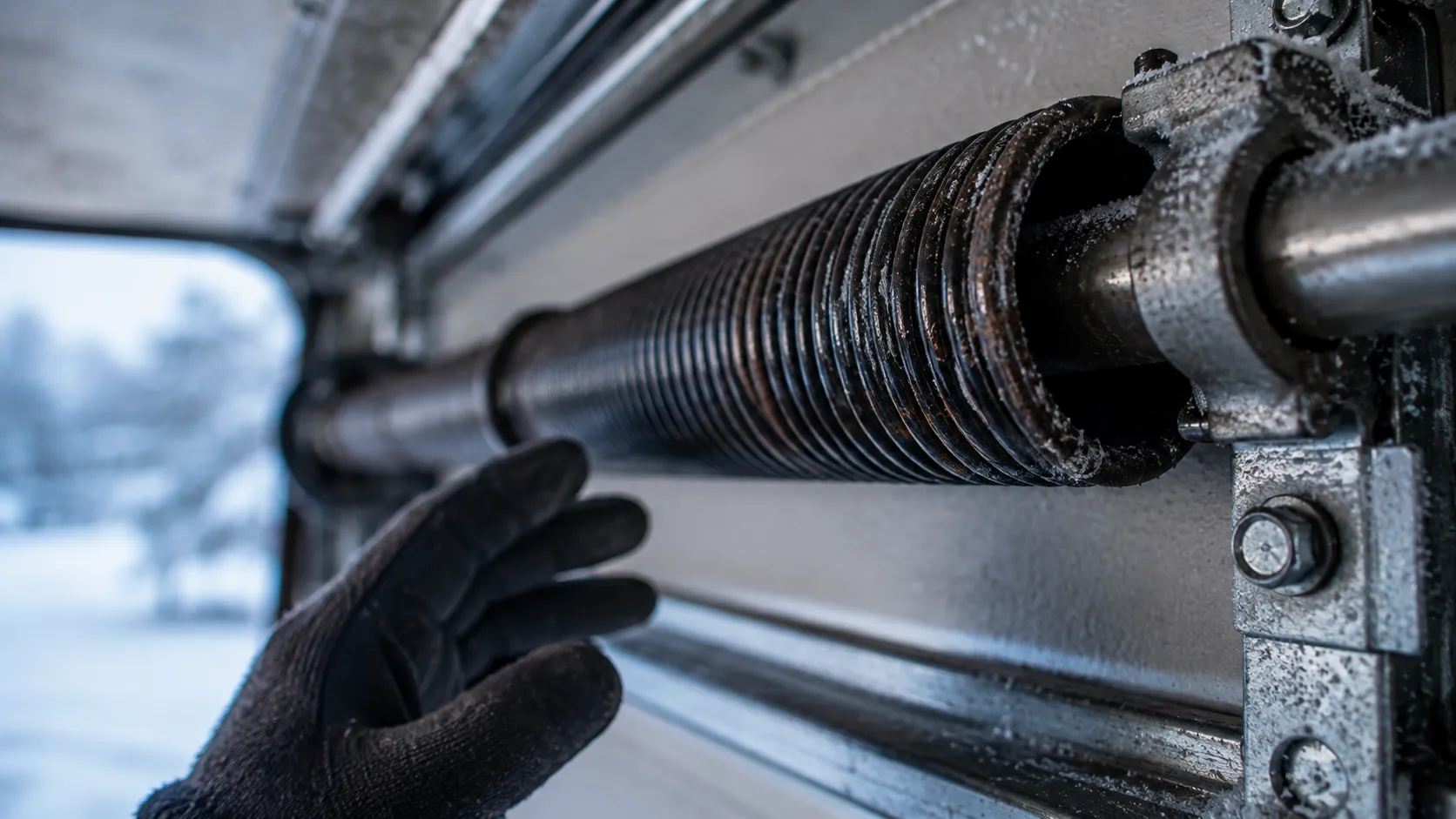
This area sits in a cold moderate climate band, and that matters more to a garage door than most people think. Steel torsion springs are rated for a working temperature range, and cold contracts the coil - a spring near the end of its cycle count tends to show it first on a cold morning, not a warm afternoon. Opener drive systems slow down too: old grease thickens in the gearbox and the unit strains to lift a door it handled fine in summer.
A service call in this climate checks spring tension against ambient temperature, not just against the weight sticker on the door, and looks at whether the weatherstripping and bottom seal are actually sealing or just sitting there cracked and stiff from years of temperature swings. None of that shows up if the only thing checked is whether the door goes up and down on the day of the visit.
How we work
The Seasonal Bit
The seasonal pattern here is straightforward: cold winters put the most load on hardware that's already worn, and that's when calls spike. A track that's slightly out of alignment in July can bind hard once metal contracts in January. Rollers that were fine all summer start chattering once cold makes the material stiffer and the lubricant inside thickens.
The fix isn't complicated - most of it is a fall check on spring tension, track alignment, and opener force settings before temperatures drop - but it only works if it happens before the cold sets in, not after a door's already stuck halfway down on a January morning. For houses on the older end of the 1956-2009 range that make up a lot of this service area, that seasonal check matters more, since the hardware has fewer cycles left in it to begin with.
Questions
Common questions
What does a garage door service call in Elgin actually include?
It should cover the spring system first - checking wind tension and looking for wear on the coil - then track alignment, roller condition, cable and drum wear, and opener force settings. Given housing here mostly dates from 1956 to 2009, a lot of that hardware is original to the house, so the check is looking for age-related wear, not just the noise you called about.
Does winter change what a service call looks for?
Yes. In a cold moderate climate, springs lose working tension differently in cold weather and opener gearbox grease thickens, which strains the motor. A call done here checks tension against the day's temperature and looks at whether seals are actually sealing, since a cracked bottom seal that was fine in summer lets in cold air and debris once winter sets in.
My house was built in the 1980s - does that affect the repair?
It can. Most housing in this area was built between 1956 and 2009, with a lot landing around 1986, so springs and openers from that era are still common. Some parts for older units need to be ordered rather than pulled off a truck, so we'll tell you that up front rather than guess at a fix.
Ready when you are
Need a garage door sorted in Elgin?
Elgin Garage Door Pros repairs and installs garage doors, springs and openers in Elgin, IL and the surrounding area.