
Guide
What We Check First on an Elgin Garage Door Call
See what an Elgin Garage Door Pros technician checks first on doors built during Elgin's 1956-2009 housing boom, and why cold winters change the order.
Local detail
Where People Go Wrong
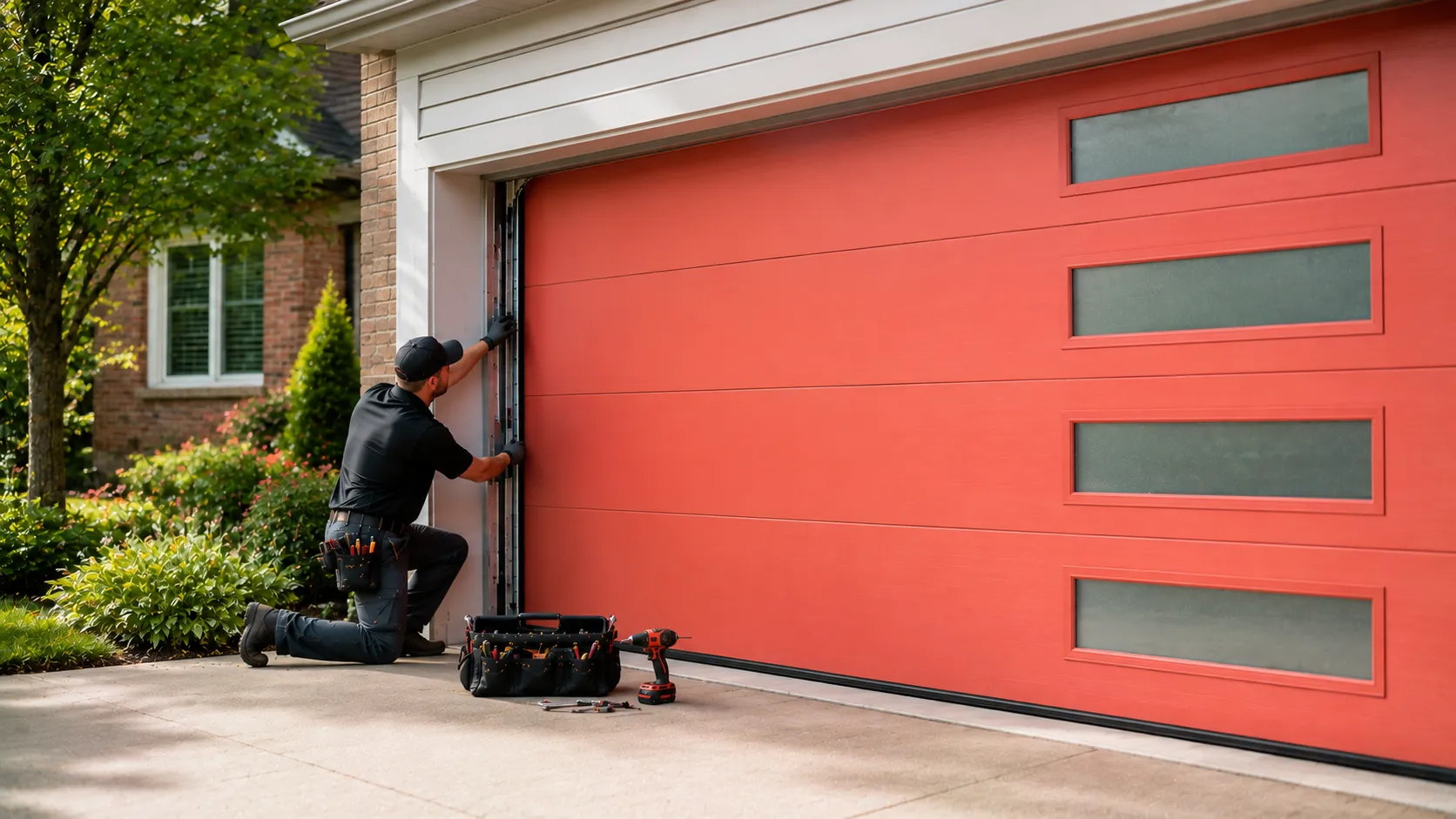
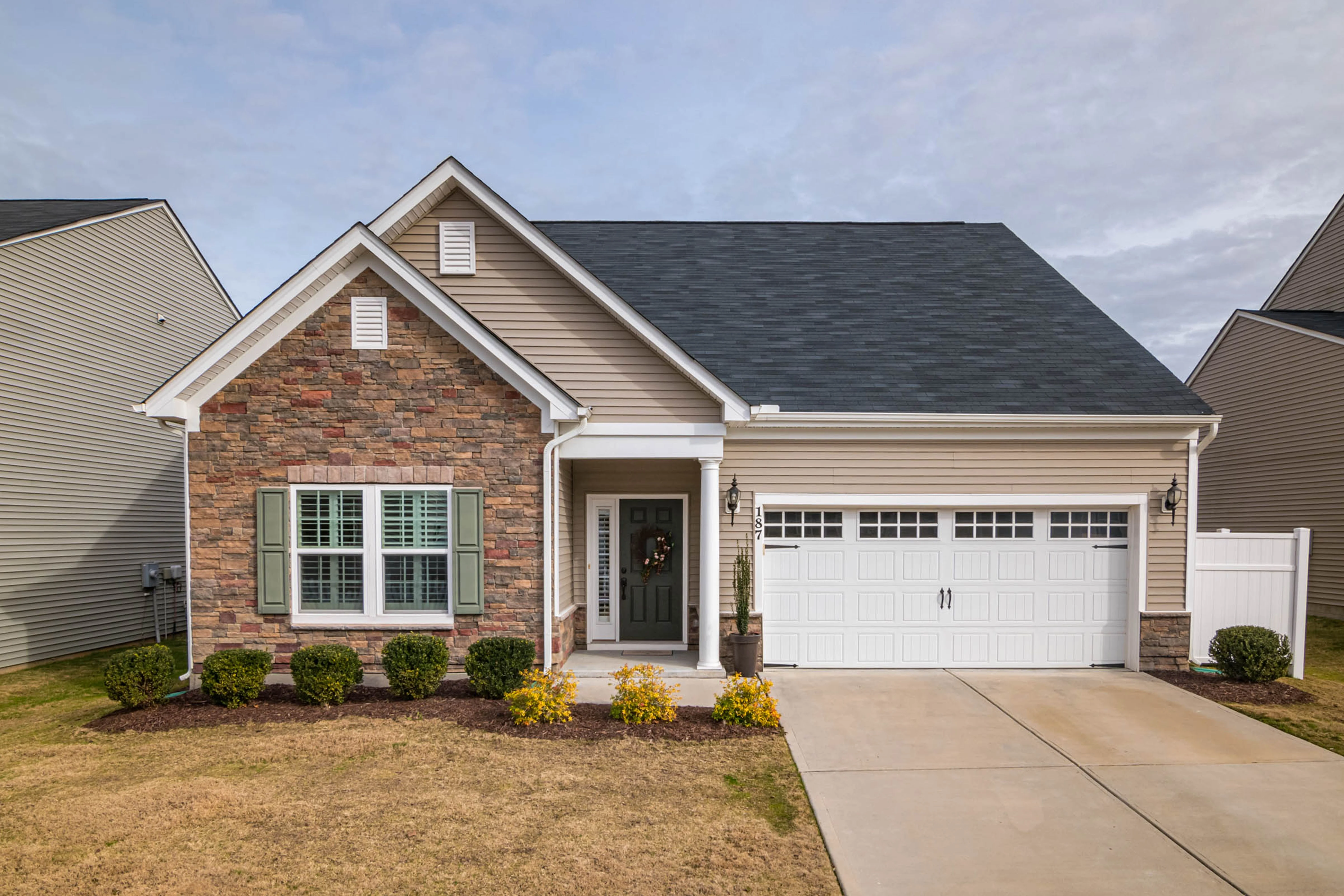
When a call comes in about a garage door that won't open, most people already believe they know the cause - the opener. In Elgin that's often wrong. Housing here went up mostly between 1956 and 2009, with the bulk of stock dating to the 1980s and 90s.
That means a huge share of doors in this area are original builder-grade torsion setups now three to four decades old. The opener motor is the part homeowners see working, or not, so it gets blamed first. What actually fails first on a door that age is the torsion spring, the cable, or the roller track - parts that wear out from cycle count and cold-weather stress, not from the opener itself.
A tech who starts with the motor on a house built in 1986 is starting in the wrong place. We start at the spring and cable, check the drum and track next, and only look at the opener once the mechanical side is confirmed sound.
The area
The Problem
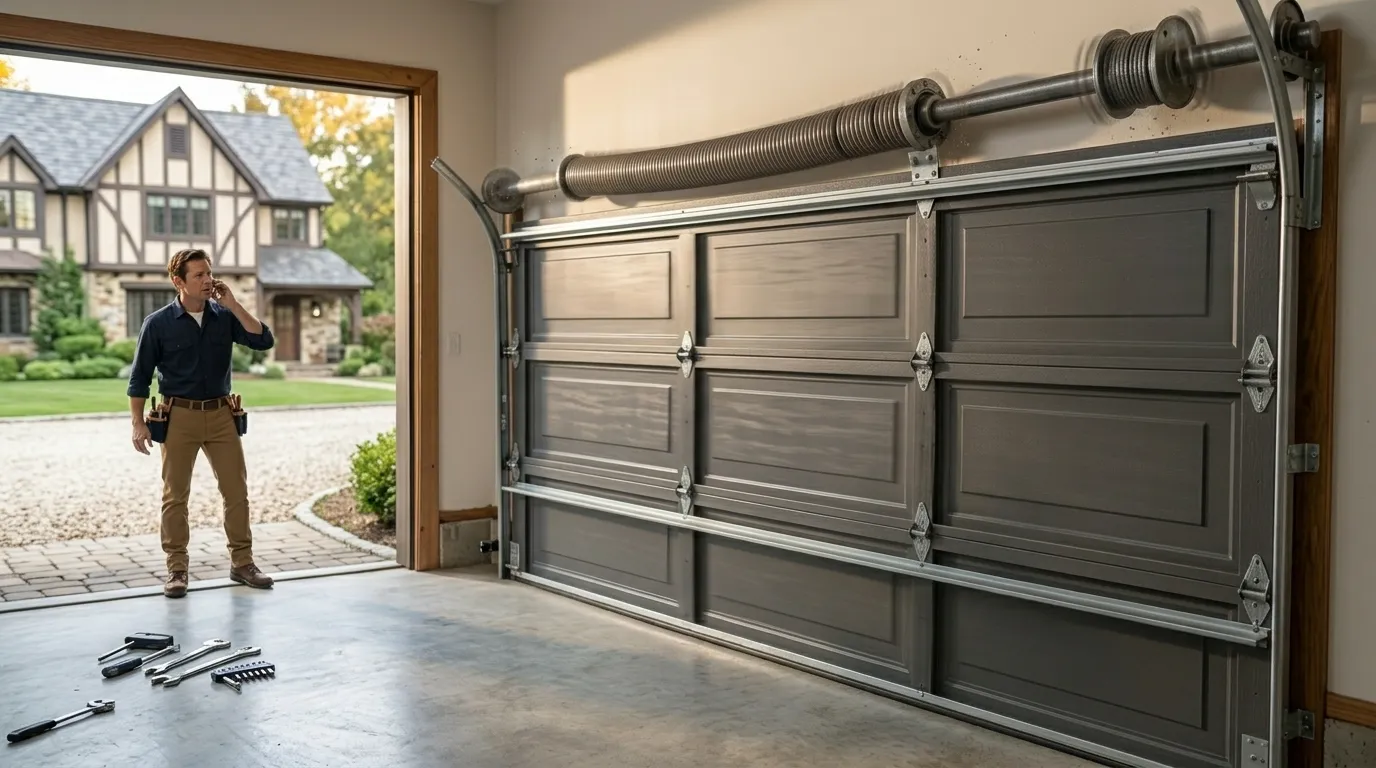
On a door installed when the house was built, springs are rated for a certain number of cycles, and Elgin's cold-moderate climate band adds extra strain. Steel contracts in cold and expands in warm swings, which changes spring tension across the year and speeds fatigue on hardware that's already 20 to 40 years into its life on 1980s-90s stock. We check spring wind and cable condition first, then track alignment, then the opener.
Skipping straight to the opener misses the part that's actually one sharp pull away from snapping - a broken torsion spring can drop a door fast and hard, and on a house from this era, it's often overdue. We won't always tell you a spring needs replacing just because it's old; if the wind and cable still test sound, we leave it and note it for next visit rather than sell a part that isn't failing yet.
What we find
How Local Conditions Play In
Cold-moderate climate matters here in ways that don't show up in warmer regions. Grease that's fine in July gets thick in a hard freeze, which resists the spring's tension and puts more load on the cable and drum than they're built for. Weatherstripping on doors installed decades ago has usually hardened or cracked, letting a draft cool the slab side of the door disproportionately to the rest of the panel, which can warp thinner steel or wood over years.
We look at seal condition and lubricant type on every call, because a five-dollar tube of the wrong grease causes more service calls in this climate than almost anything else we see. On a house from the 1980s or 90s median stock common across this area, the seal and the lube are usually the first things we replace before we touch anything electrical.
How we work
The Seasonal Bit
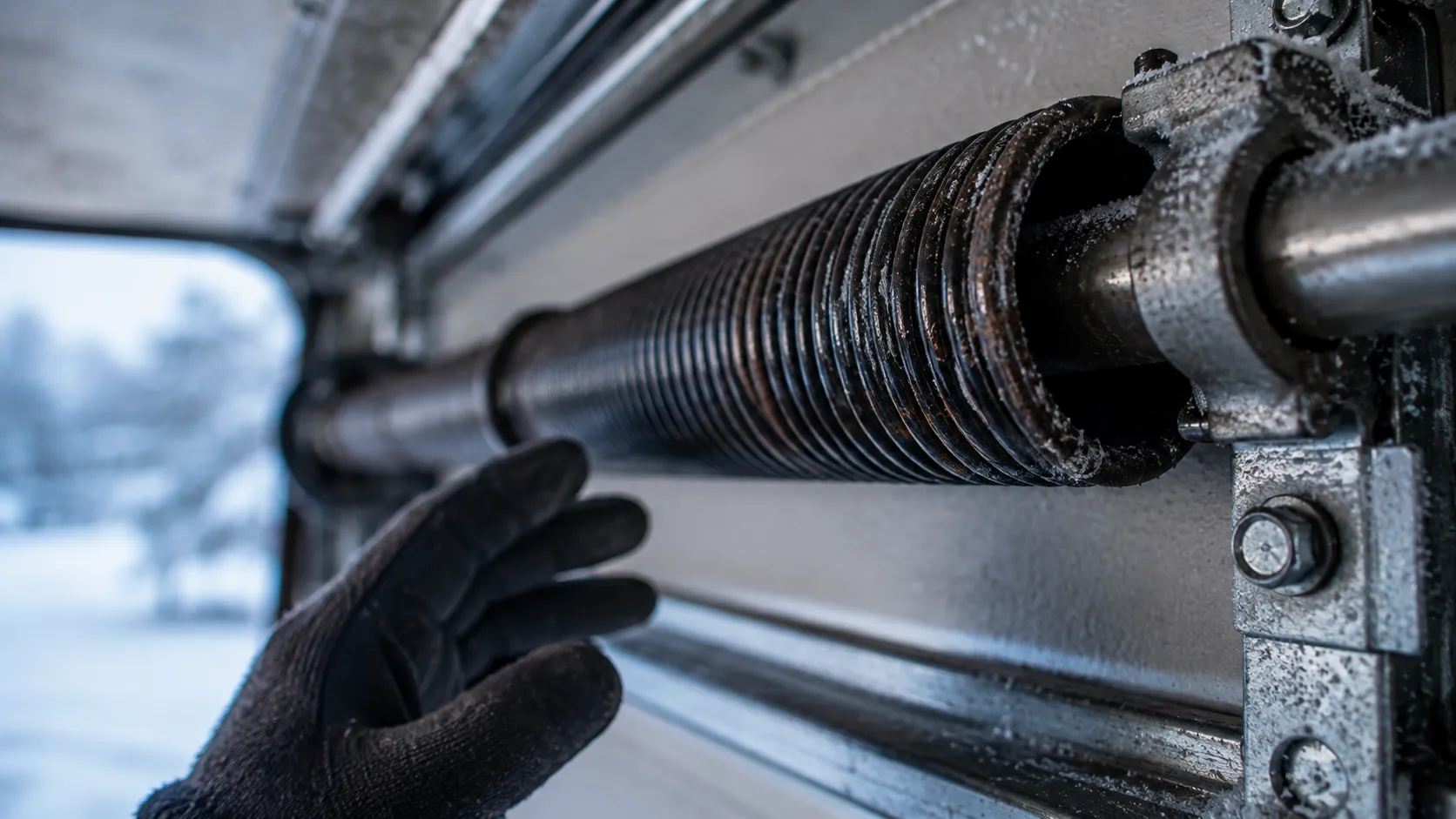
Temperature swings do the real damage, not just cold on its own. A big overnight drop tightens steel components unevenly, and if a spring or cable was already near the end of its rated cycles - not unusual on a home from the 1980s or 90s stock common across this area - that's when it lets go.
We can't always tell over the phone whether a noise is a track that needs adjustment or a spring about to fail; that's a limitation we're upfront about, because guessing wrong on a spring call means someone gets hurt. If the hardware is original to a house built decades ago, we recommend a look before winter rather than after something breaks mid-cold-snap, since a failed spring in a hard freeze is a worse job than the same repair done in October.
Questions
Common questions
My garage door gets loud once it's cold out, is that normal?
Some noise increase in cold weather is common because grease thickens and resists the spring and rollers. It's not something to ignore, though - if the sound is new or getting worse, have someone check the lubricant type and spring wind before it turns into a bigger repair. On older hardware common in this area, a loud door is often the first sign, not the last.
How old does a door have to be before parts get hard to find?
Housing in this area was mostly built between 1956 and 2009, with a lot dating to the 1980s and 90s. Doors from the earlier end of that range sometimes use hardware sizes or panel styles that aren't stocked anymore, which can mean a longer wait on a specific part. We'll tell you upfront if that's the case rather than guess at a timeline.
Do you work outside Elgin itself?
We serve homes within about 10 miles of Elgin, including South Elgin (3 mi), Sleepy Hollow (4 mi), West Dundee (5 mi), and Algonquin (8 mi), among other nearby towns. If you're not sure whether your address falls inside that range, call and ask before booking.
Ready when you are
Need a garage door sorted in Elgin?
Elgin Garage Door Pros repairs and installs garage doors, springs and openers in Elgin, IL and the surrounding area.