
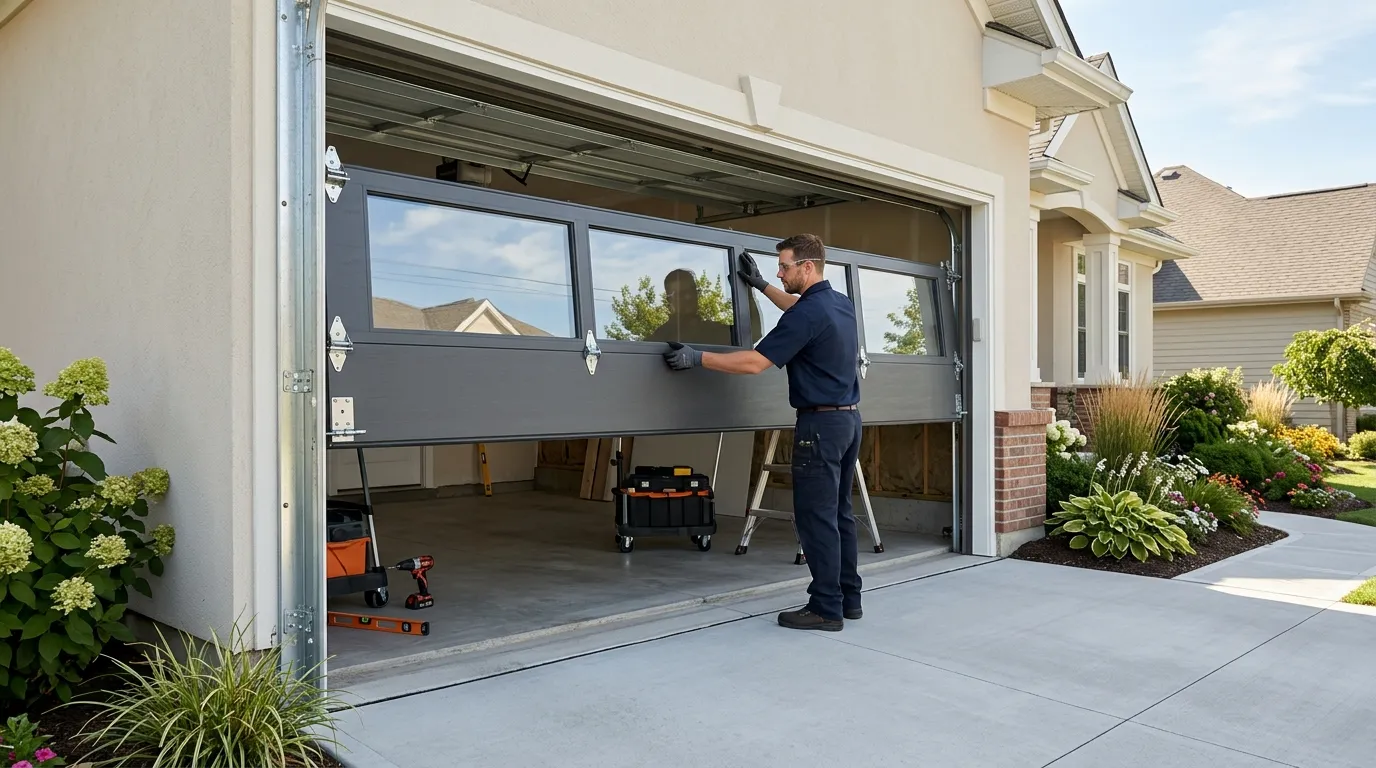
Elgin, IL
Garage Door Installation for Elgin Homes
Elgin homes built mostly in the 1980s and 90s are hitting original garage door end-of-life. See why replacement makes sense here and what a proper install involves.
What we do
Garage door work in Elgin
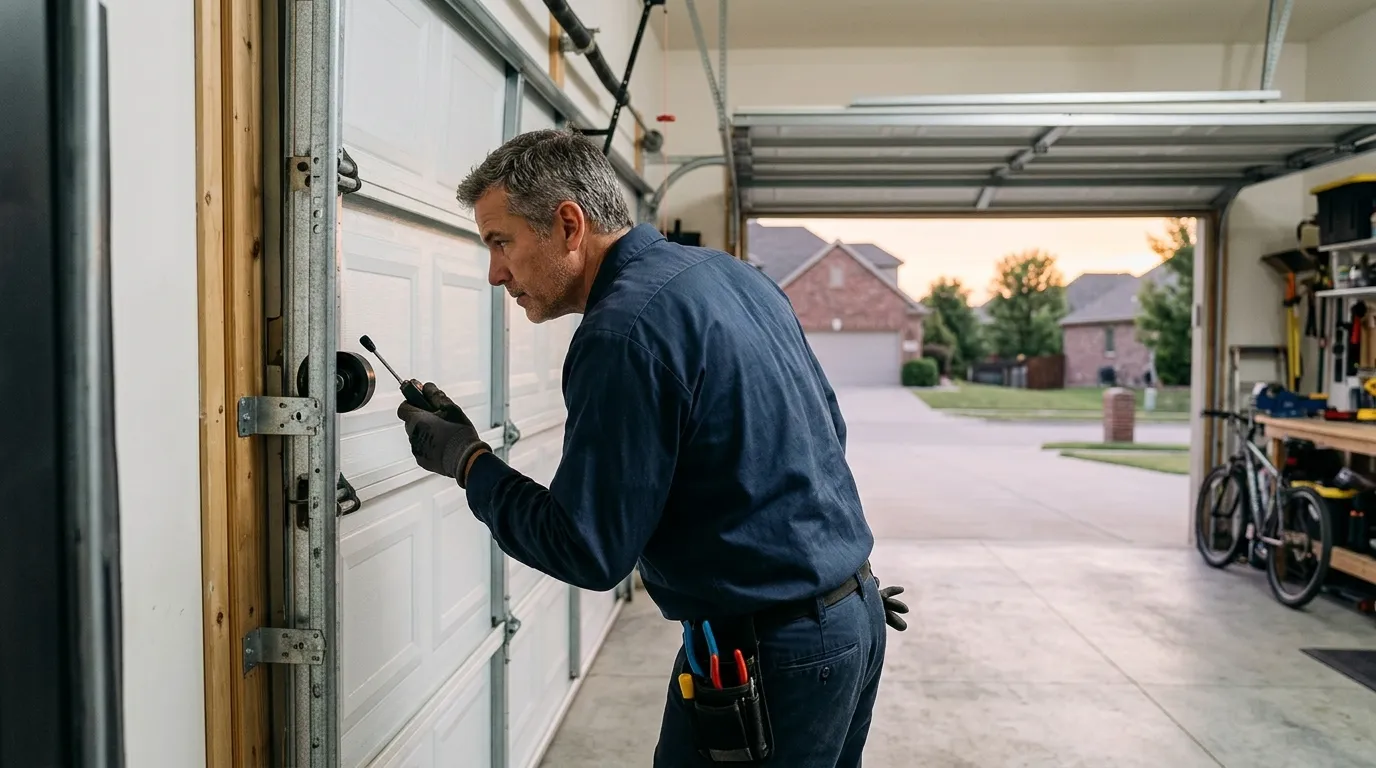
Garage Door Repair Built Around Elgin's Housing Stock
Torsion spring and opener repair for Elgin homes built 1956-2009, matched to cold-climate hardware wear. Learn more →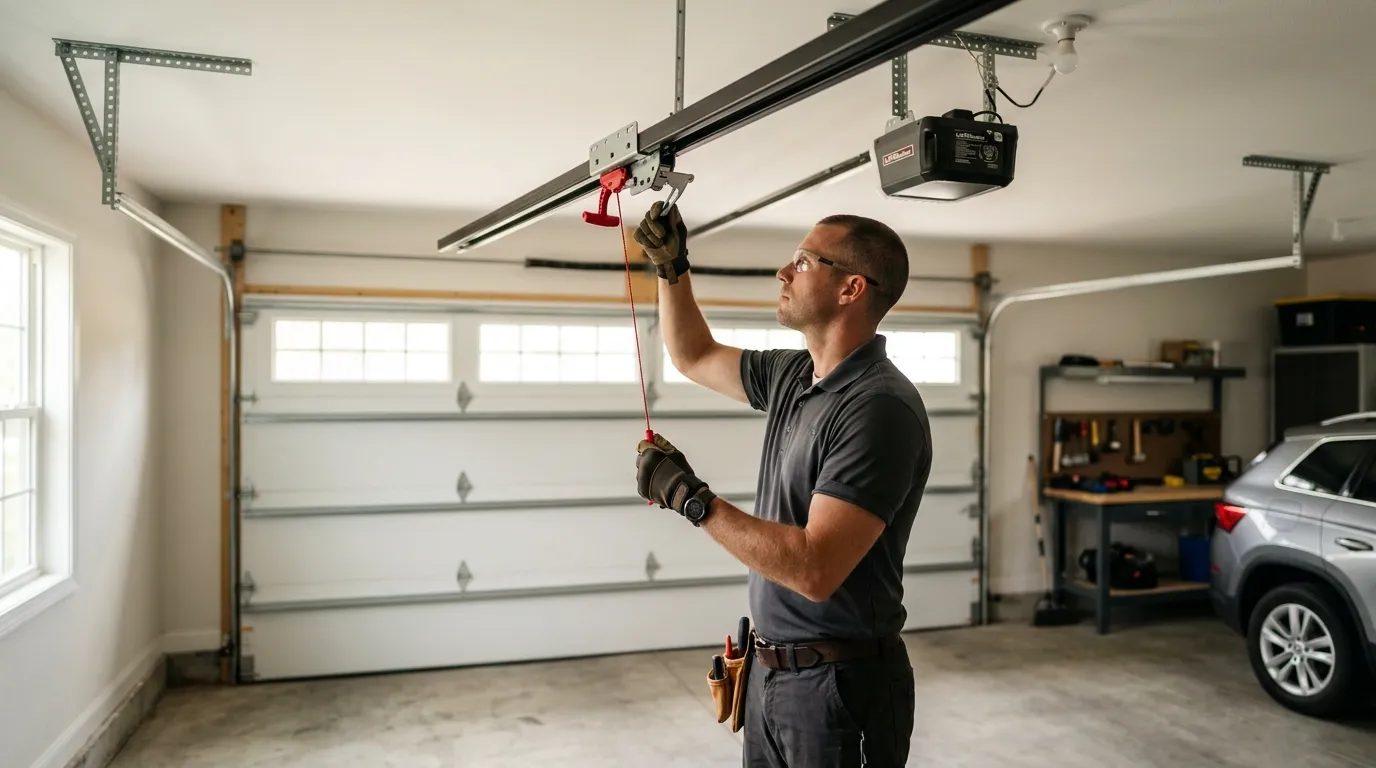
Garage Door Service for Elgin's 1980s-Era Housing Stock
Elgin homes built 1956-2009 carry original torsion hardware into a cold climate. Learn more →Local detail
Why This Fails Locally
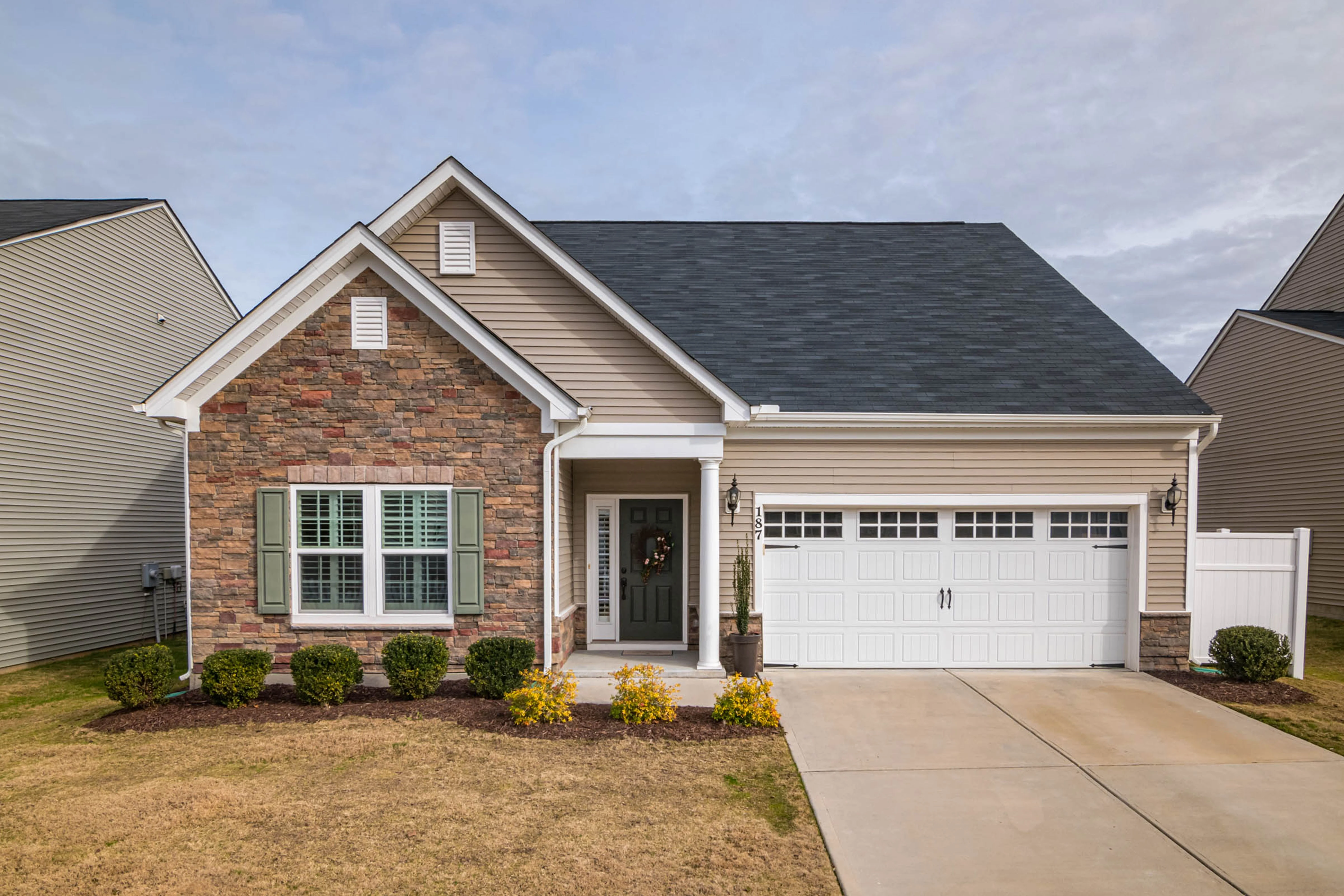
Across the Elgin service area, housing stock runs from 1956 to 2009, with the median build year sitting at 1986 and most of the 61 named neighborhoods filled in during the 1980s and 90s boom. That means a huge share of the doors on these houses are the original builder-grade units - steel panels with little or no insulation, installed to a spec that made sense in 1988 and hasn't been touched since. Those doors are now 35-plus years old. Springs have been cycled tens of thousands of times, the steel skin has taken decades of freeze-thaw, and the foam core, if there was one, has broken down.
Elgin's climate band is cold-moderate, which is a different failure pattern than what you'd see somewhere milder. It's not one dramatic weather event - it's the repeated swing from single digits overnight to above freezing by afternoon that flexes an old uninsulated panel until the seams separate and the bottom seal stops making contact with the slab. A door built for a different era of expectations just isn't built to hold up to that cycle indefinitely.
We don't push a full replacement on every service call. If your door is from that same 1980s-90s wave but the track and hardware are still true, sometimes a spring and panel repair buys you real years. Installation is the right call when the door itself - not just one part - is what's failing.
The area
How It Shows Up
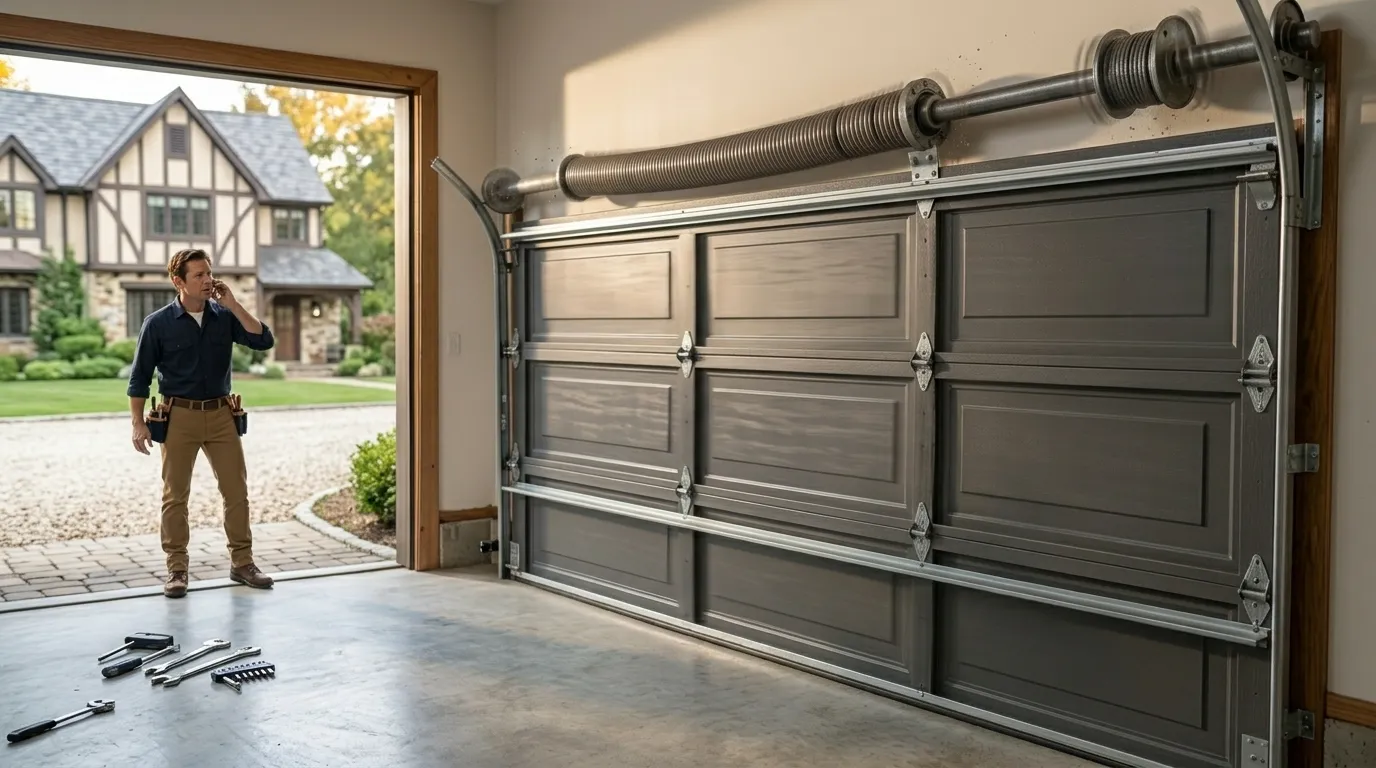
The most common version we see: a door that used to close flush now stops an inch short, or drops the last six inches with a bang instead of settling. On the builder-grade doors common to this housing wave, that's usually the panel itself bowing slightly out of square after years of thermal cycling, not just a track that needs adjusting.
Another pattern tied to the same housing era - original openers rated for a lighter door struggling to lift a panel that's gained weight from moisture absorption over the decades, especially on doors without a vapor barrier. You'll hear the motor labor on the way up even though the chain and rail look fine.
Cold mornings expose it fastest. A door that operates fine in July can bind or refuse to seat correctly on a fifteen-degree morning if the panel has warped even slightly, because cold steel contracts and a door that's already out of true won't find its seal. If you're chasing the same complaint every winter and adjusting it away every spring, that's not a maintenance issue - that's a door telling you it's done.
What we find
What the Fix Involves
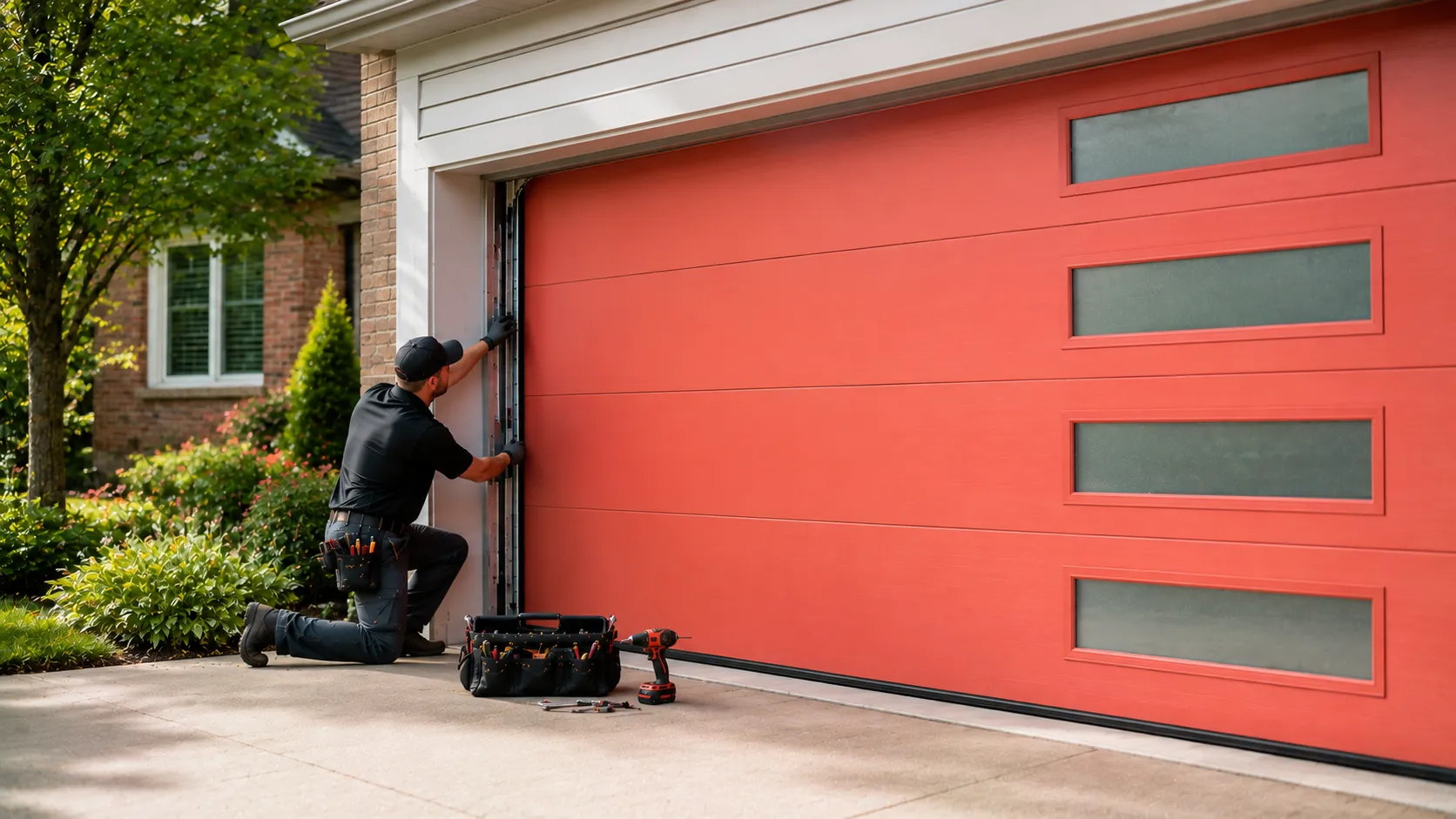
A proper installation starts with measuring the actual opening, not assuming it matches the old door's nominal size - homes from the 1956-2009 build range in this area were framed by different builders to different tolerances, and we've opened up plenty of jambs that were never quite square to begin with. We set the new track plumb, level the rail, and match spring tension to the actual door weight rather than reusing the old spring's rating.
For houses in this climate band, we default to an insulated panel unless there's a reason not to - the temperature swing common here is exactly the condition that punishes an uninsulated door fastest, and the small cost difference up front is cheap compared to another install in fifteen years.
We also check the opener. If your existing unit is original to a 1980s or 90s build, it's often undersized for a heavier insulated door, and we'll tell you straight if it needs to come with the door rather than get reused. One honest limit here: we don't install openers or doors we can't get spec sheets for, and on some of the oldest original units from this era, the manufacturer no longer publishes them - in those cases we replace rather than try to match blind.
How we work
Parts We Carry
We stock steel and insulated panel sections sized for the door widths most common on the 1980s-90s housing stock that dominates this area, along with torsion springs rated across the weight range those doors actually run - not just a single generic size. Rollers, both nylon and steel, cables, and end bearing plates are on the truck for same-visit work.
For openers, we carry units rated for the heavier insulated doors we install, since pairing a new heavy door with an old lightweight-rated opener just moves the failure point instead of fixing it. Weatherstripping and bottom seals are stocked in the standard widths for this housing era's track configurations.
What we don't carry on the truck: specialty custom sizes outside standard residential widths, and certain older hardware patterns from doors installed before the 1970s that predate most of this area's build wave - those sometimes need a special order, and we'll tell you the lead time up front rather than guess.
Questions
Common questions
Is my garage door too old to repair instead of replace?
If your house was built in the 1980s or 90s - common across this area - and the door is original, it's likely 35-plus years old. At that age, springs, hinges, and the panel itself are usually all near end of life together, which tips the math toward replacement rather than chasing one repair at a time.
Do I need an insulated door in this area?
Not required, but given the cold-moderate temperature swings here, an insulated panel holds its shape and seal far longer than a bare steel door. We'll install either, but for most houses in this climate band we recommend insulated unless there's a specific reason not to.
Will a new door work with my old opener?
Sometimes. If your opener is original to a 1980s or 90s build, it may be rated lighter than a new insulated door needs. We check the rating before we quote and tell you straight if the opener should be replaced alongside the door.
How do you size a new door for an older house?
We measure the actual opening rather than assume it matches the old door's listed size. Houses from this build era were framed to varying tolerances, so we confirm square and plumb before ordering panels and track.
Ready when you are
Need a garage door sorted in Elgin?
Elgin Garage Door Pros repairs and installs garage doors, springs and openers in Elgin, IL and the surrounding area.