
Guide
Garage Doors Built Before Elgin Ever Required Insulation
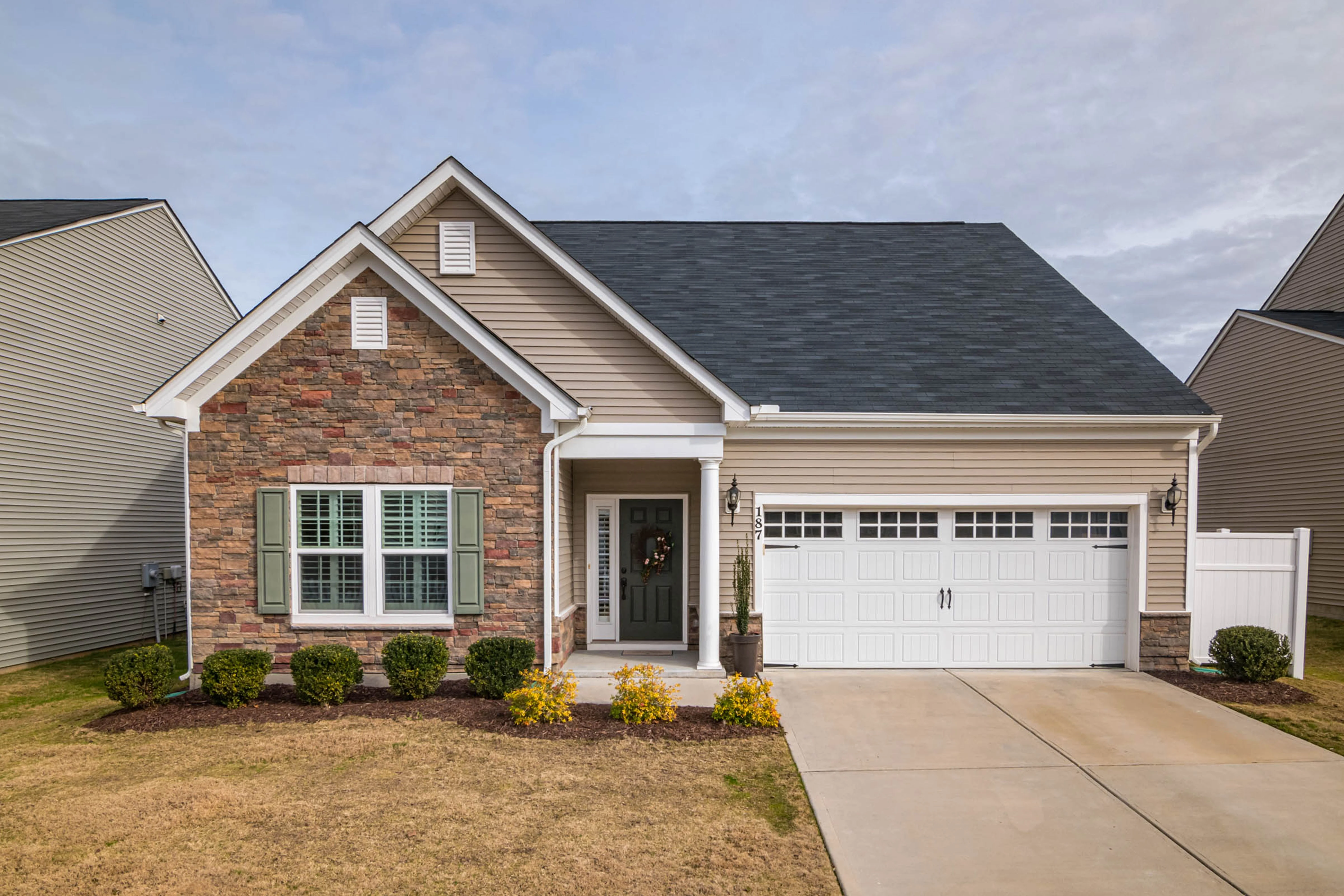
Elgin homes span 1956 to 2009, median build 1986. A lot of original doors on those houses predate insulated steel - here's what that means once winter sets in.
Local detail
Where People Go Wrong
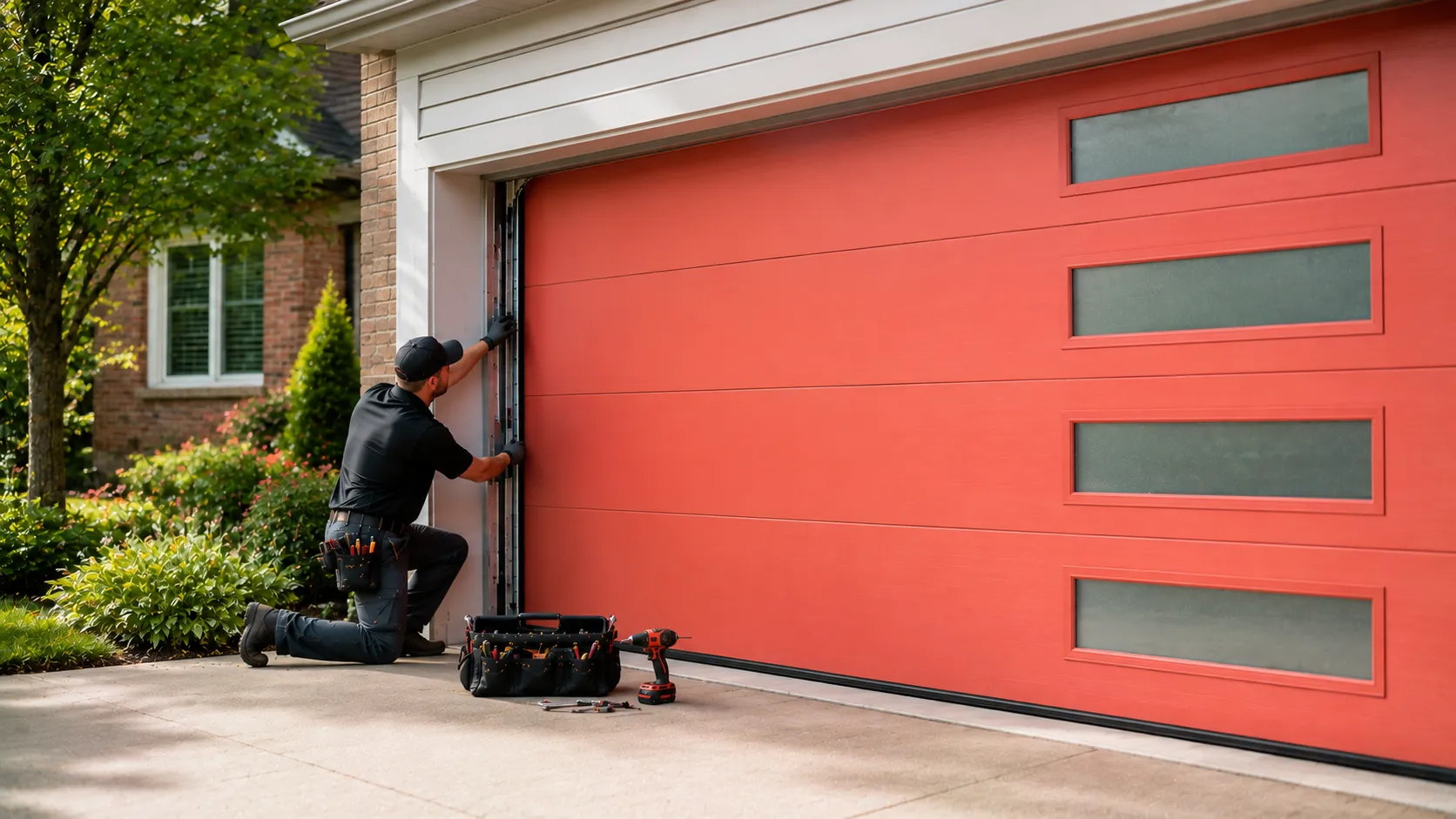
The most common mistake we see is a homeowner replacing a broken spring or a dented panel on a door that's older than they think, and never asking whether the door itself is doing its job. Elgin's housing stock runs from 1956 up through 2009, with the median build year landing around 1986. A house built in 1986 in Elgin almost never has anything past a single layer of steel and maybe a thin vinyl backer on the door - insulated doors with polystyrene or polyurethane cores weren't standard equipment back then, they were an upsell nobody took.
So a person fixes the opener, greases the track, swaps a roller, and the garage still runs ten or fifteen degrees colder than the rest of the house every winter. That's not a repair problem. That's the door itself.
Across the 61 named areas that make up this part of the Fox Valley, most of the doors you see came out of that same 1980s-90s construction wave, which means this isn't a one-house issue - it's the norm for entire blocks. Fixing hardware on a door with no insulation buys you a quieter door, not a warmer one.
The area
The Problem
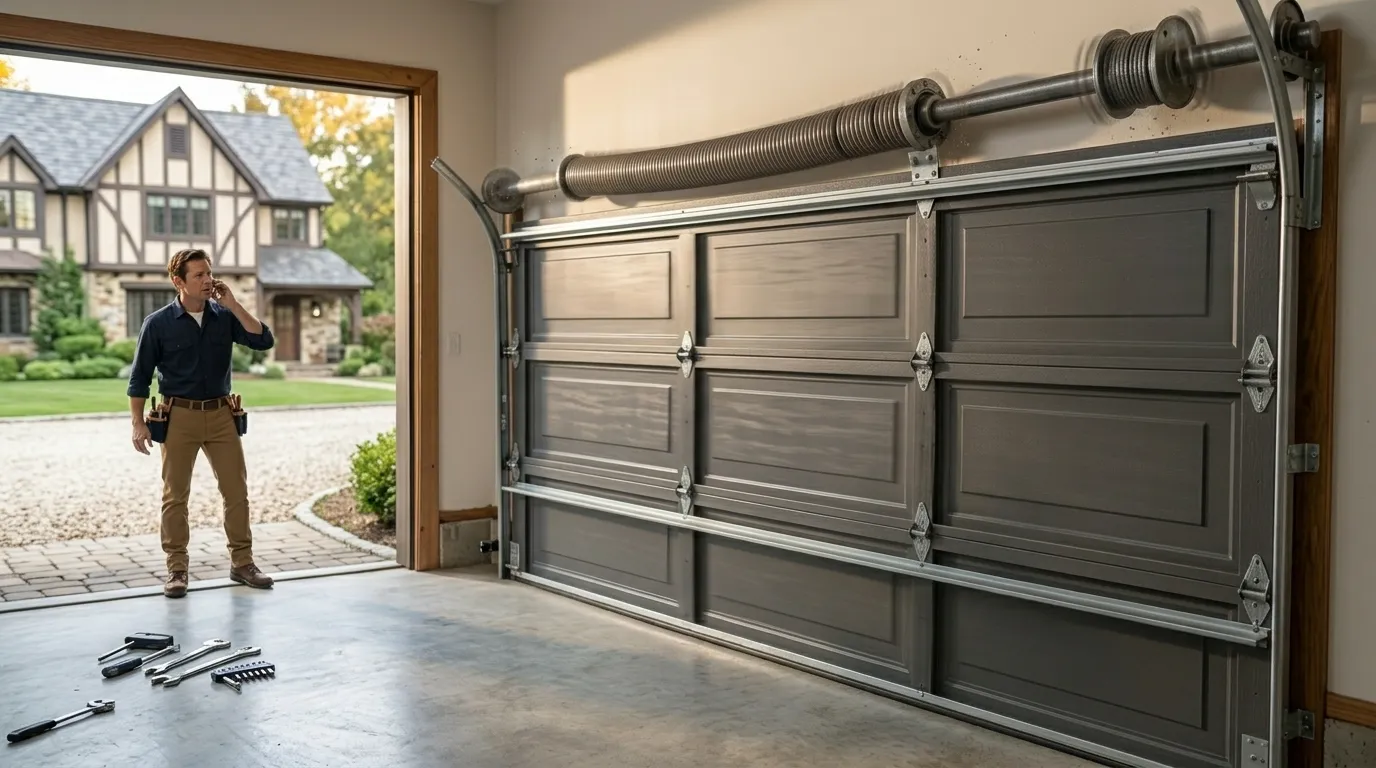
An uninsulated steel door is a flat sheet of metal separating your garage from outside air, and metal does not resist cold - it transmits it. In a cold-moderate climate band like Elgin sits in, that single-layer door becomes the coldest surface in the garage for a good stretch of the year, and cold surfaces next to warm indoor air mean condensation. That shows up as rust starting at the bottom panel, as water pooling under the door track, and eventually as a bottom seal that won't hold shape because the steel above it is flexing with the temperature swing.
If the garage shares a wall with living space - a bonus room, a laundry area - that uninsulated door is also the weak point in the whole envelope, no matter what insulation is in the walls around it. None of this shows up as a dramatic failure. It shows up as a door that feels heavier in January, an opener that strains a little more, and a garage that never quite gets above 40 degrees even with the rest of the house running normal heat.
What we find
How Local Conditions Play In
With 171,218 owner-occupied houses across this service area, a lot of them are still running the original door that came with the build, which for most means original 1980s or 90s steel with zero insulation value. That matters more here than it would somewhere with a mild winter, because Elgin's cold-moderate climate band means real freeze cycles, not just a couple of cold snaps. An uninsulated door in that setting doesn't just lose heat - it goes through repeated expansion and contraction that eventually works screws loose in the hinges and stresses the weld points on cheaper panel sections. We see this pattern most in the older pockets of housing stock rather than the newer builds toward the tail end of that 1956-2009 range, where doors already came insulated from the factory.
The fix isn't always full replacement. Sometimes a retrofit insulation kit on an otherwise sound steel door closes most of the gap for a fraction of the cost. We won't sell you a full door swap if the panels are straight and the track is solid - that's a case where the kit does the job.
How we work
The Seasonal Bit
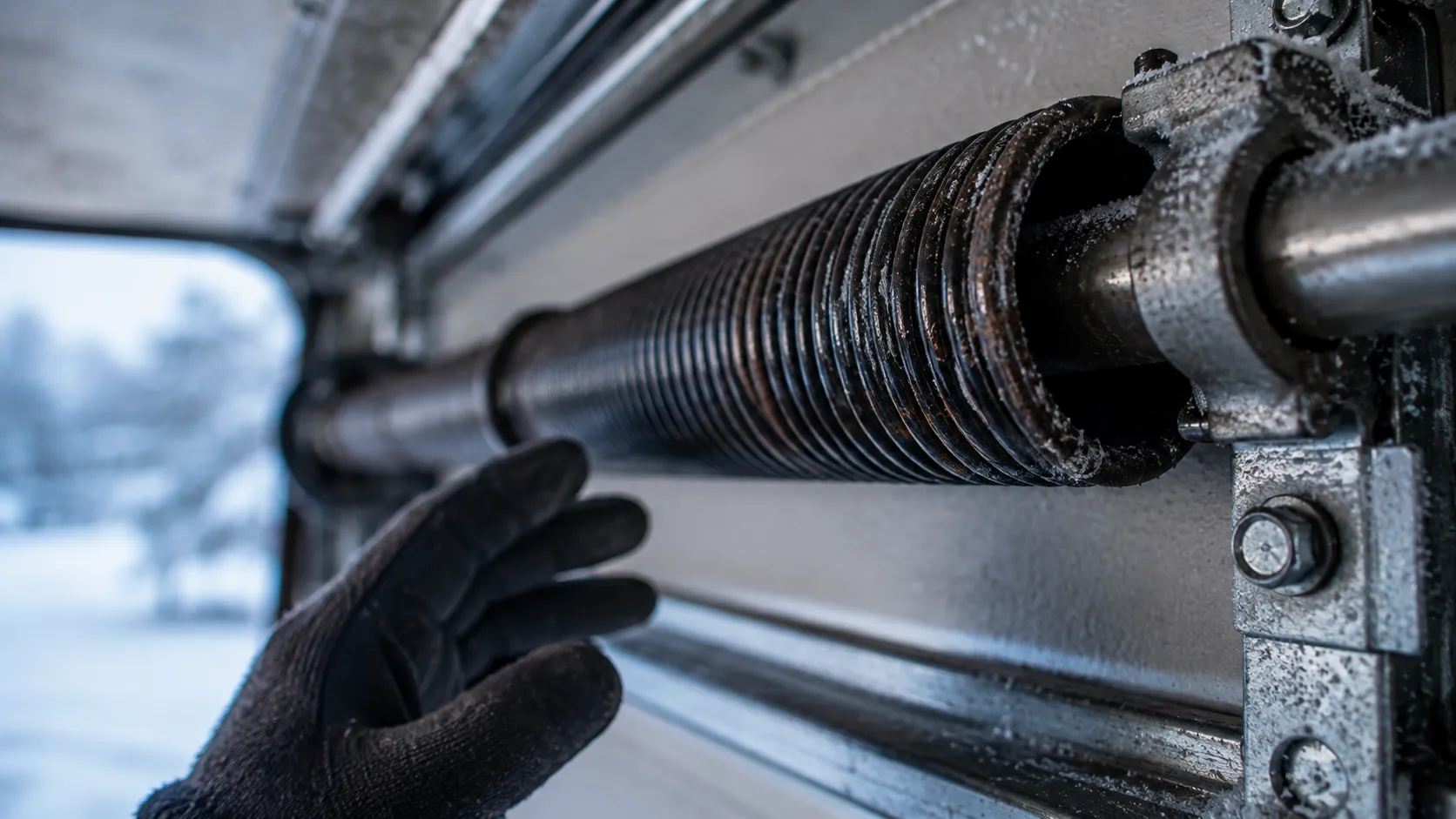
Cold snaps are when an uninsulated door's problems stop being cosmetic and start being mechanical. Steel contracts in the cold, and a door that's already a few years past its prime will bind in the track right when the torsion spring is also stiffest and least forgiving. That's the combination that snaps cables and pulls hinges loose on the coldest morning of the year, usually right as someone's trying to leave for work. It's not random bad luck - it's a door built for a milder decade meeting an Elgin winter it was never insulated against.
The honest limitation here: we can't make an uninsulated door behave like an insulated one just by adjusting tension or lubricating hardware. Once the steel's fatigued from enough of these cycles, the fix is the door, not the parts around it. If your door was part of that 1980s-90s construction wave and you're hearing new noise in cold weather, that's worth a look before the next hard freeze, not after.
Questions
Common questions
How do I know if my Elgin garage door is insulated or not?
Knock on it. A hollow, tinny sound means single-layer steel with no core - common on houses built through the 1980s and 90s. A solid, dull thud usually means a foam core is sandwiched inside. If your house dates from that era and the door has never been replaced, it's very likely uninsulated.
Is it worth insulating an old garage door instead of replacing it?
If the panels are straight, the track is true, and the springs are sized right, a retrofit insulation kit can close a lot of the temperature gap for less than a full replacement. If the steel is already dented or rusting at the seams, insulation won't fix the underlying wear - replacement is the better spend at that point.
Why does my garage door get harder to open in the winter?
Cold steel contracts and can bind slightly in the track, and torsion springs stiffen in low temperatures. On an older, uninsulated door that's already seen a few decades of Elgin winters, that combination is what usually turns a minor stiffness into a snapped cable or a stuck hinge on the coldest days.
Ready when you are
Need a garage door sorted in Elgin?
Elgin Garage Door Pros repairs and installs garage doors, springs and openers in Elgin, IL and the surrounding area.