
Guide
Why Elgin Garages Leak Cold Air at the Door
Elgin homes built between 1956 and 2009 often have gaps around garage door weather seals that let cold air in. See what actually causes draughts here.
Local detail
Where People Go Wrong
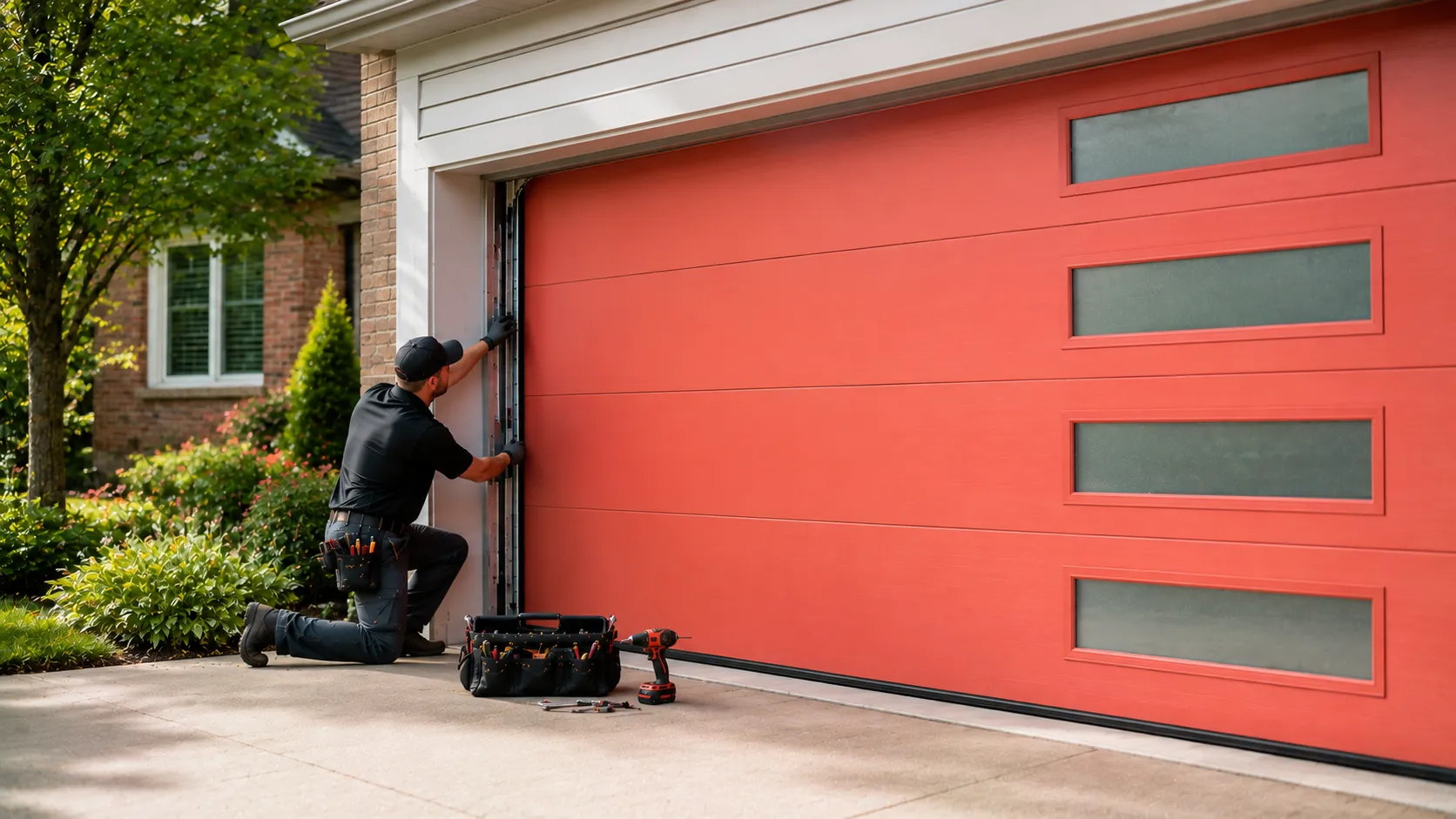
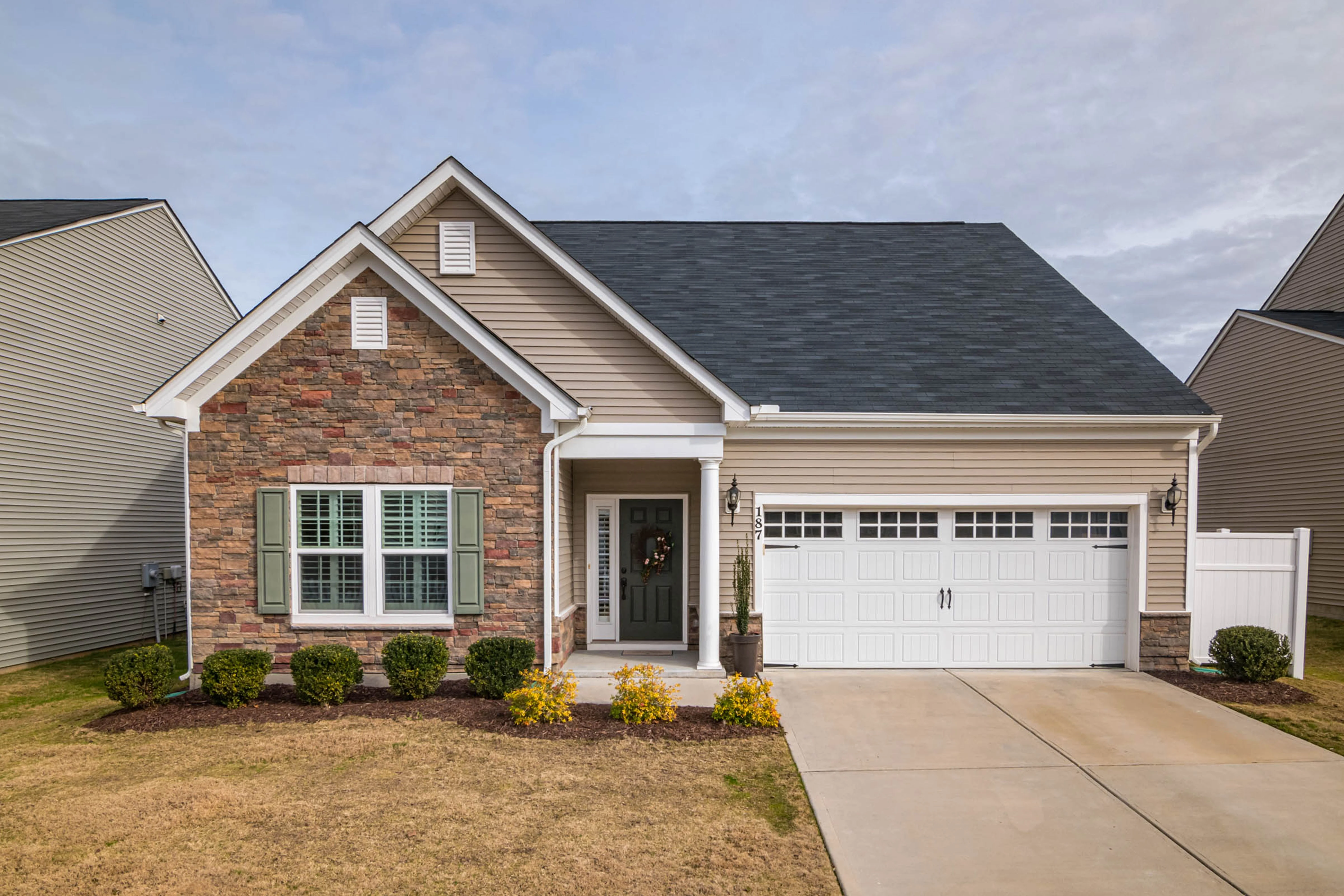
Grab a weatherstrip kit off the shelf and slap it on - that's the fix most Elgin homeowners reach for first, and it's why so many doors still whistle in a January wind. The trouble is fit. Housing in this area went up mostly between 1956 and 2009, with the bulk of that stock built through the 1980s and 90s, and door frames from those different decades don't take the same seal profile. A vinyl bulb seal cut for a 1990s steel jamb doesn't compress right against an older wood-framed opening from the 60s, and a universal kit rarely accounts for either.
The result is a strip that looks installed but leaves a gap at the corners where the jamb has settled over three or four decades. People replace the seal, feel good about it, and then wonder why the draught is still there come the first cold snap. The fix isn't a better seal - it's matching the seal to the frame you actually have.
The area
The Problem
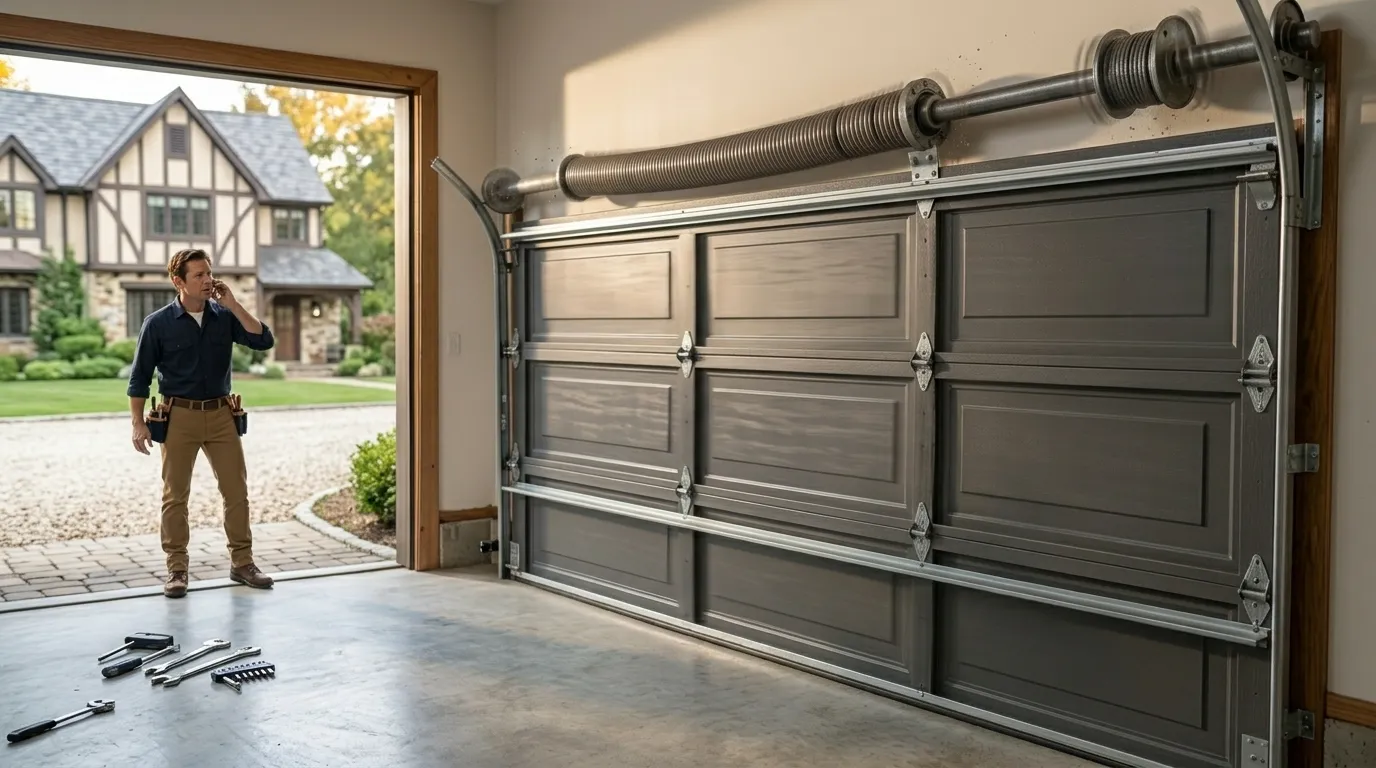
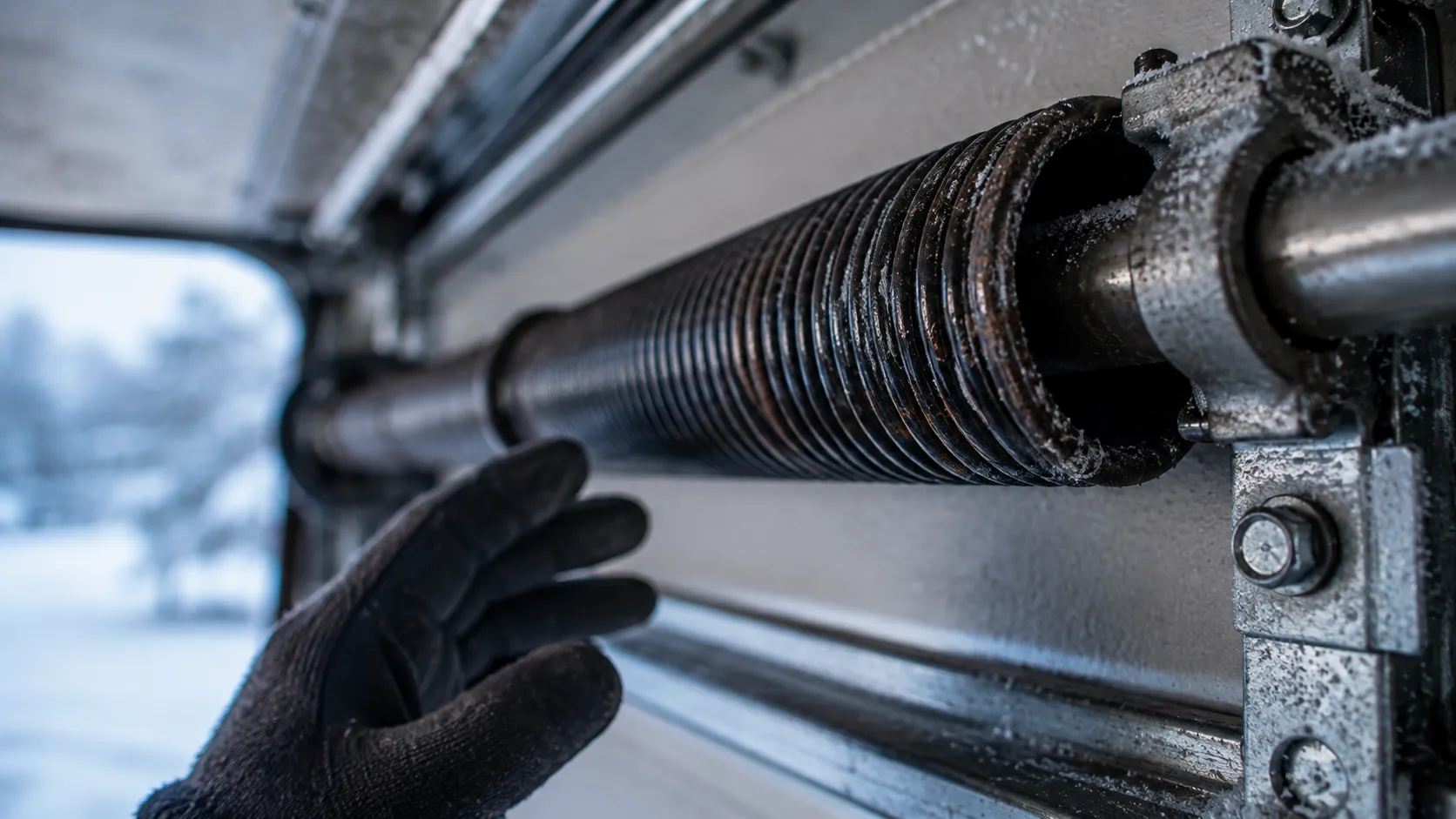
A garage door doesn't need a big gap to lose heat - an eighth of an inch along the bottom or sides is enough to let cold air pour in and warm air pull out, and in a cold moderate climate band that adds up fast across a winter. Most of this area's housing dates to the 1980s and 90s, which means original bottom astragals and side seals that are now 30-plus years old, past the point where the rubber stays flexible in low temperatures. Cold makes vinyl and rubber stiffen and crack, and once a seal cracks it stops sealing - it just sits there, doing nothing.
The garage itself doesn't need to be heated for this to matter. A cold garage that's still connected to the house through a shared wall or an attached mudroom pulls heat out of the living space every time the seal fails to do its job.
What we find
How Local Conditions Play In
The service area here covers a wide stretch - South Elgin three miles off, Sleepy Hollow and West Dundee a few miles further, Gilberts and Carpentersville out past that - and across all 61 named areas we work in, the housing pattern holds steady: mostly 1980s and 90s construction sitting inside the same cold moderate climate band. That consistency matters for seals. A door and frame built to code in 1986 in Elgin proper faces the same freeze-thaw stress as one built the same year out toward Algonquin or Huntley, so the fixes that work on one side of the service area generally work on the other.
What changes is how much the seal has aged and how the house has settled, not the underlying climate problem. We don't treat a house near Downtown any differently from one out past Pingree Grove - the seal wears the same way, just on its own schedule depending on sun exposure and how sheltered the opening is.
How we work
The Seasonal Bit
Late fall is the right time to check seals here, before the cold moderate winter settles in for good. Run a hand along the bottom seal and both side seals on a mild afternoon - if the rubber feels stiff instead of pliable, or if you can see daylight at the corners with the door shut, that's the seal telling you it's done. We can't make a 1970s-era seal channel take a modern bulb seal without some adjustment to the track, and sometimes the retrofit costs more in labor than a full weatherstrip kit and track combo would.
That's the honest tradeoff: on the oldest housing stock in this area, from the 1956-1970 range, a straight seal swap sometimes isn't worth it compared to replacing the whole bottom section. On anything from the 1980s or later, a proper seal replacement usually solves the draught outright and it's the cheaper call. Either way, catching it in October beats catching it in February when the gap's already cost you a month of heat.
Questions
Common questions
Why does my garage door still let in cold air after I replaced the weather seal?
Usually a fit problem, not a bad seal. Elgin homes span construction from 1956 through 2009, and frames from different decades take different seal profiles. A universal kit often doesn't compress right against an older jamb, leaving gaps at the corners even though the strip looks installed.
How old do garage door seals get before they stop working in this cold?
Most of the housing here dates to the 1980s and 90s, so a lot of original seals are past 30 years old. In a cold moderate climate, rubber that old stiffens and cracks in low temperatures and stops sealing, even if it looks intact from a few feet away.
Is it worth replacing the seal or should I replace the whole door?
Depends on the era. On houses from the 1956-1970 range, the seal channel itself is often outdated enough that a straight swap costs more in labor than replacing the bottom section outright. On 1980s-or-later doors, a seal replacement is usually the cheaper fix and solves the draught.
Ready when you are
Need a garage door sorted in Elgin?
Elgin Garage Door Pros repairs and installs garage doors, springs and openers in Elgin, IL and the surrounding area.