
Guide
Detached and Attached Garages Need Different Doors in Elgin
Elgin's housing runs 1956 to 2009, and whether your garage is attached or detached changes what the door has to do. Here's what that means for your home.
Local detail
Where People Go Wrong
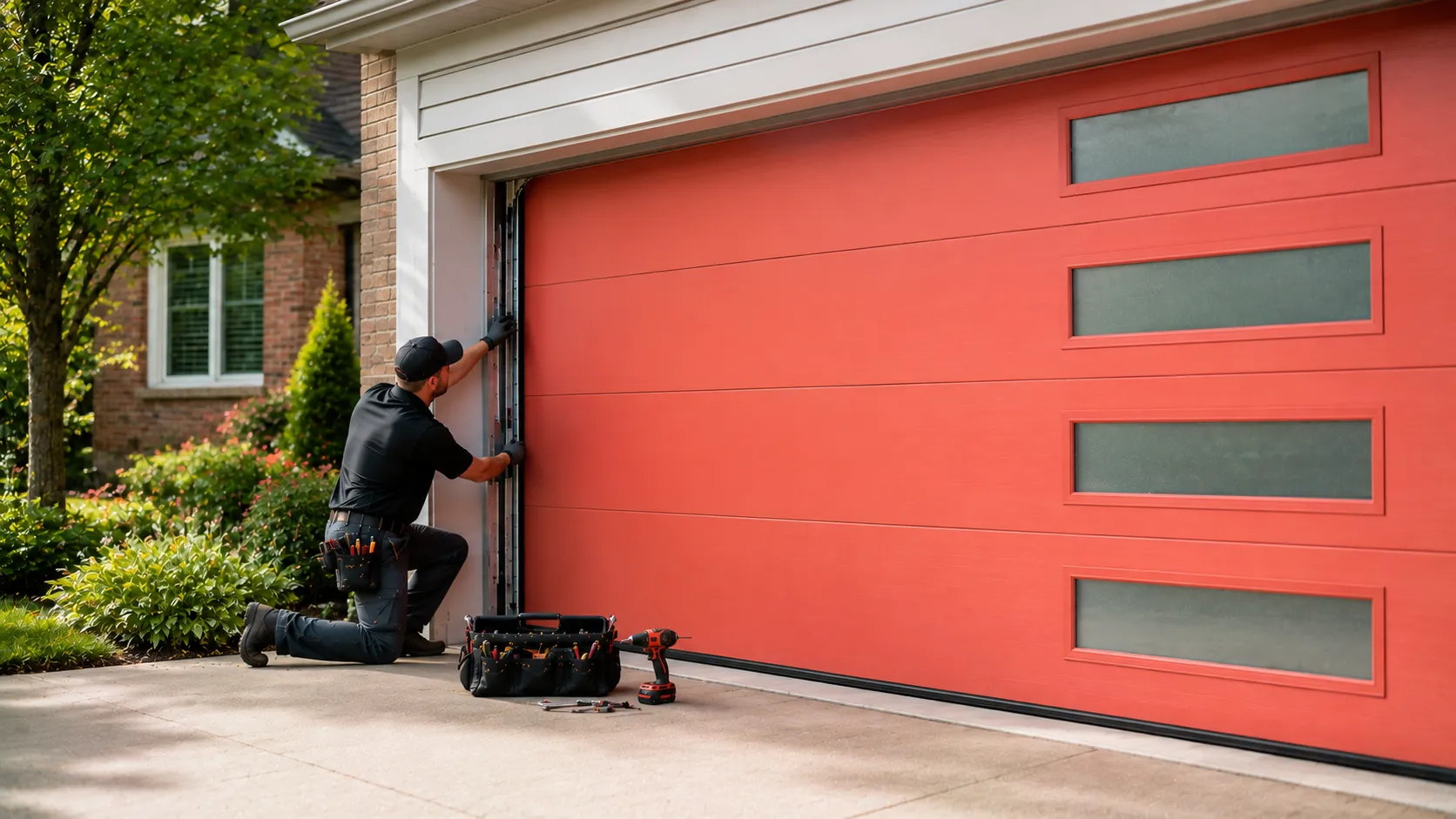
The most common mistake we see in Elgin is treating every garage door swap as the same job. It isn't. Elgin's housing stock spans 1956 through 2009, with the median build year sitting around 1986, and across the 61 named areas that make up this market, most of that stock is 1980s and 90s construction. A door that came off a house built in 1962 with a detached garage out back is not doing the same work as a door on a 1994 build where the garage shares a wall with the family room.
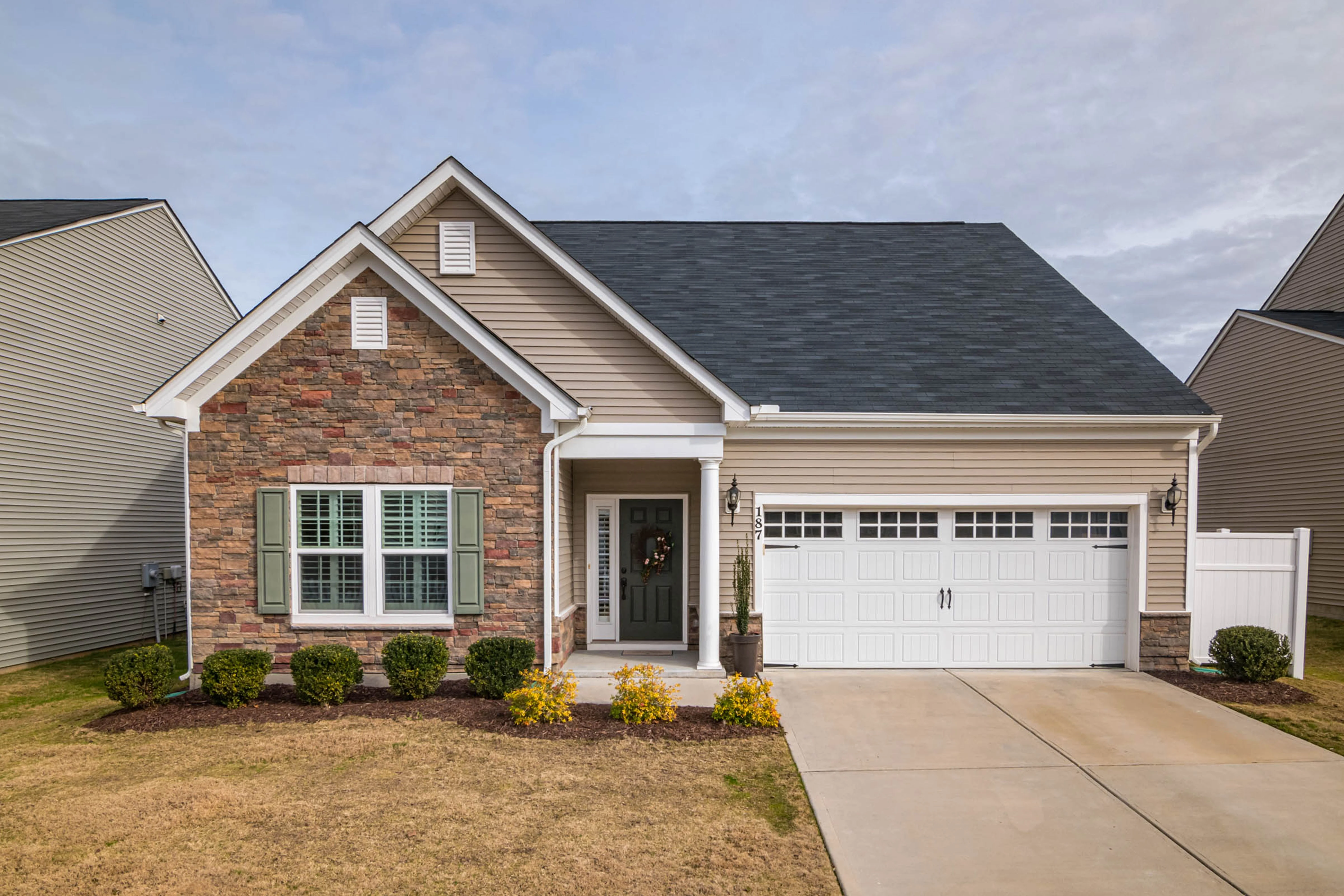
On a detached garage, the door is basically the whole building envelope. It doesn't need to hold back conditioned air, and a gap or two around the edge costs you nothing but a little dust. On an attached garage, especially the kind that came standard in Elgin's later-build subdivisions, the door is part of the thermal boundary between outside and the house. People buy the same door for both because it's cheaper or because that's what the last guy quoted, and then they wonder why the mudroom off the garage is always cold.
We'll tell you straight if a job doesn't need the upgrade you're asking about. Not every detached garage needs an insulated door - sometimes the plain steel section is the right call and spending more just pads our invoice, not your comfort.
The area
The Problem
Elgin sits in a cold-moderate climate band, and that matters differently depending on which side of the wall the garage is on. On an attached garage, an uninsulated or poorly sealed door lets cold air sit against the shared wall, and in a lot of the 1986-era construction we work on, that shared wall doesn't have much more than the builder-grade insulation package common to that period. The result is a cold floor in the room above or next to the garage, and a furnace that runs longer than it should.
On a detached garage, the concern shifts. You're not fighting for the house's heat, but you are fighting to keep anything stored out there - tools, a chest freezer, a second fridge - above freezing on the coldest stretches. A detached garage with a loose-fitting older door in this climate band can sit close to outdoor temperature all winter, which is fine for the car but hard on anything with a compressor or a water line.
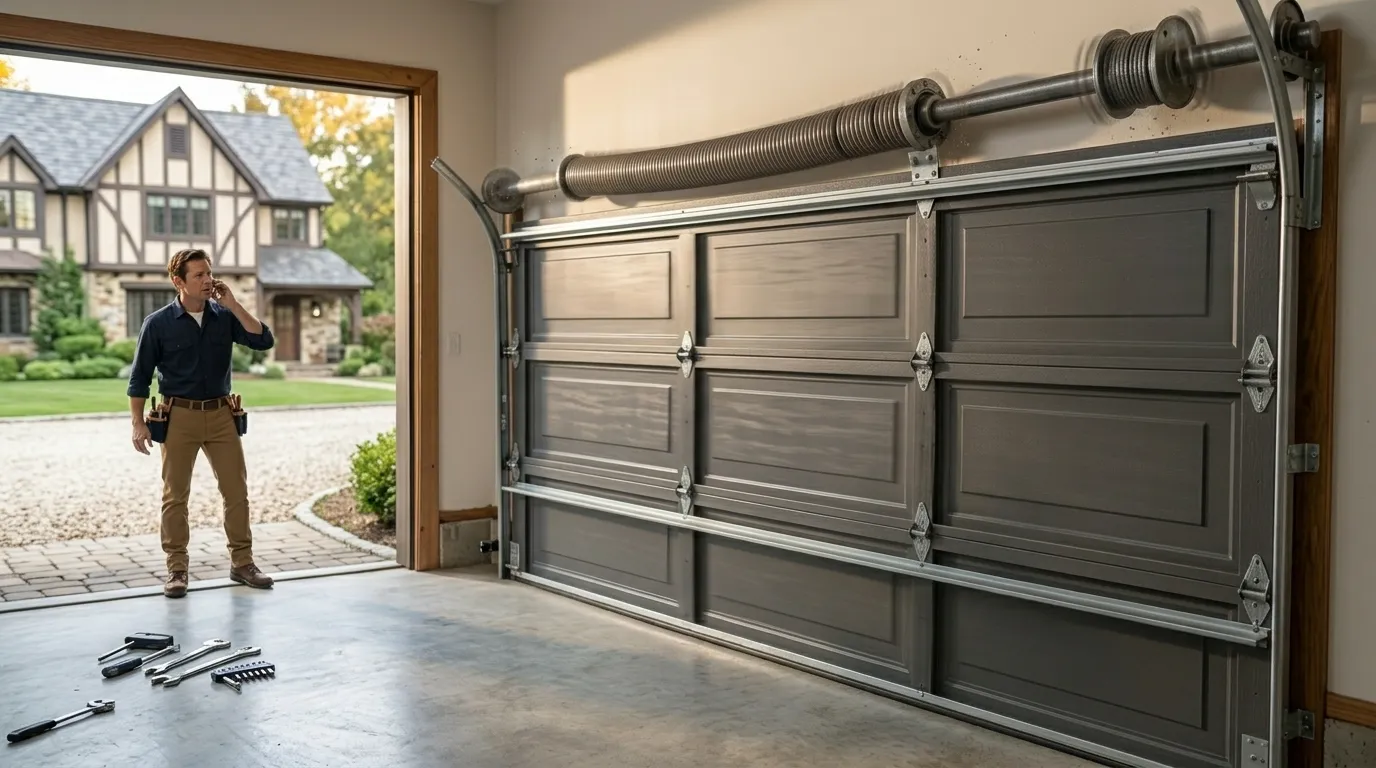
We run into a lot of homes where the door itself is fine mechanically but was never matched to the building type it's mounted on. That mismatch is what drives the callbacks - not broken springs, but doors doing the wrong job for the garage they're bolted to.
What we find
How Local Conditions Play In
With 171,218 owner-occupied houses across this service area and a median household income of $111,898, we see a real mix: older detached-garage homes near the center of town, and newer subdivisions further out where the garage is attached and finished to match the house. That split shows up directly in what door makes sense.
For the detached garages common in Elgin's older sections, we generally steer people toward a solid steel door without the insulation upgrade unless they're actively using the space as a shop or storage for anything temperature-sensitive - paying for R-value you don't need is money that could go toward a better opener or hardware.
For attached garages, especially in the 1980s and 90s stock that makes up most of this area, an insulated door earns its cost because it's doing double duty as part of the house envelope. We also see attached garages where the door was replaced at some point but the weatherstripping and bottom seal were never upgraded to match, which undercuts whatever insulation value the door itself has. That's a cheap fix compared to a full door swap, and it's worth checking before you assume you need a new door at all.
How we work
The Seasonal Bit
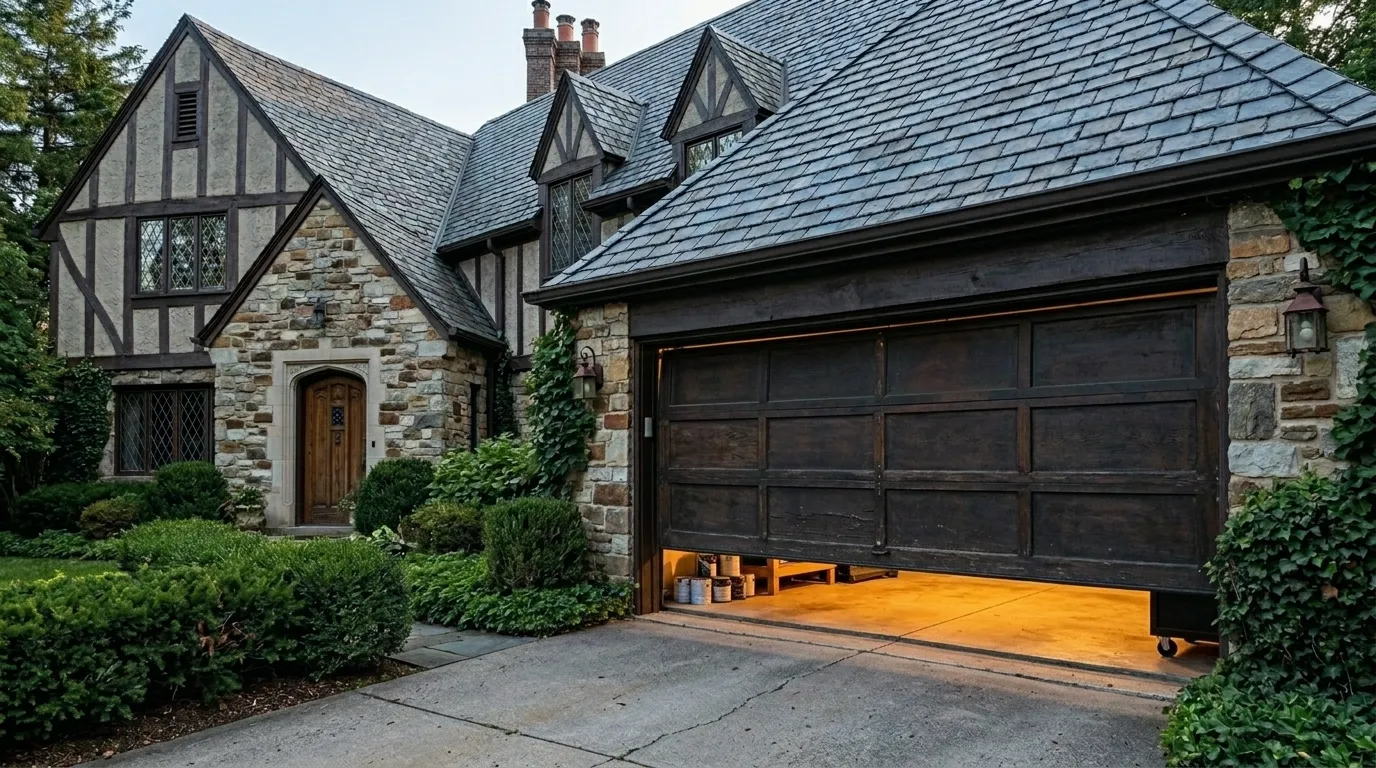
Cold-moderate winters mean the freeze-thaw cycle is the thing that actually breaks doors here, not one big storm. On a detached garage, that shows up as a slab that's heaved slightly at the threshold, which throws off the bottom seal and lets a draft in even on a door that's otherwise fine. On an attached garage, the same freeze-thaw movement can shift the frame just enough that the door starts binding on one side in January and running loose in July.
We check both when we're out for a service call, because a homeowner calling about a noisy door in an attached garage in this area is, often enough, actually dealing with a frame that moved half an inch over a hard winter. On a detached structure, since there's no shared wall to insulate for, the fix is usually simpler: reseat the door, replace the bottom seal, move on.
One limitation worth saying plainly: we don't do foundation or slab repair. If the heave is bad enough that the door problem keeps coming back every winter, that's a concrete question first, and a door question second.
Questions
Common questions
Does my detached garage in Elgin need an insulated door?
Usually not, unless you're storing something temperature-sensitive out there. Detached garages don't share a wall with living space, so the insulation mostly protects contents, not the house. Given the cold-moderate winters here, a plain steel door with a good bottom seal handles most detached garages fine without the added cost of an insulated panel.
Why is my attached garage door letting cold air into the house?
In a lot of Elgin's 1980s and 90s construction, the shared wall between garage and house has builder-grade insulation at best. If the door itself is uninsulated or the weatherstripping has worn out, cold air sits right against that wall and works its way in. Check the seals first - sometimes that's cheaper than a full door replacement.
Do older detached garages in Elgin need different hardware than newer attached ones?
Sometimes. Homes built closer to 1956 through the 1970s often have detached garages with older track and spring setups that were never upgraded, while newer attached garages built into the 1990s and 2000s tend to have more standard modern hardware. We check what's actually on the door before quoting rather than assuming based on the house's age.
Ready when you are
Need a garage door sorted in Elgin?
Elgin Garage Door Pros repairs and installs garage doors, springs and openers in Elgin, IL and the surrounding area.