
Guide
When an Old Elgin Garage Door Still Has Life Left
Elgin homes date from 1956 to 2009, mostly the 1980s and 90s - old enough that torsion springs and openers wear out before parts are easy to find.
Local detail
Where People Go Wrong
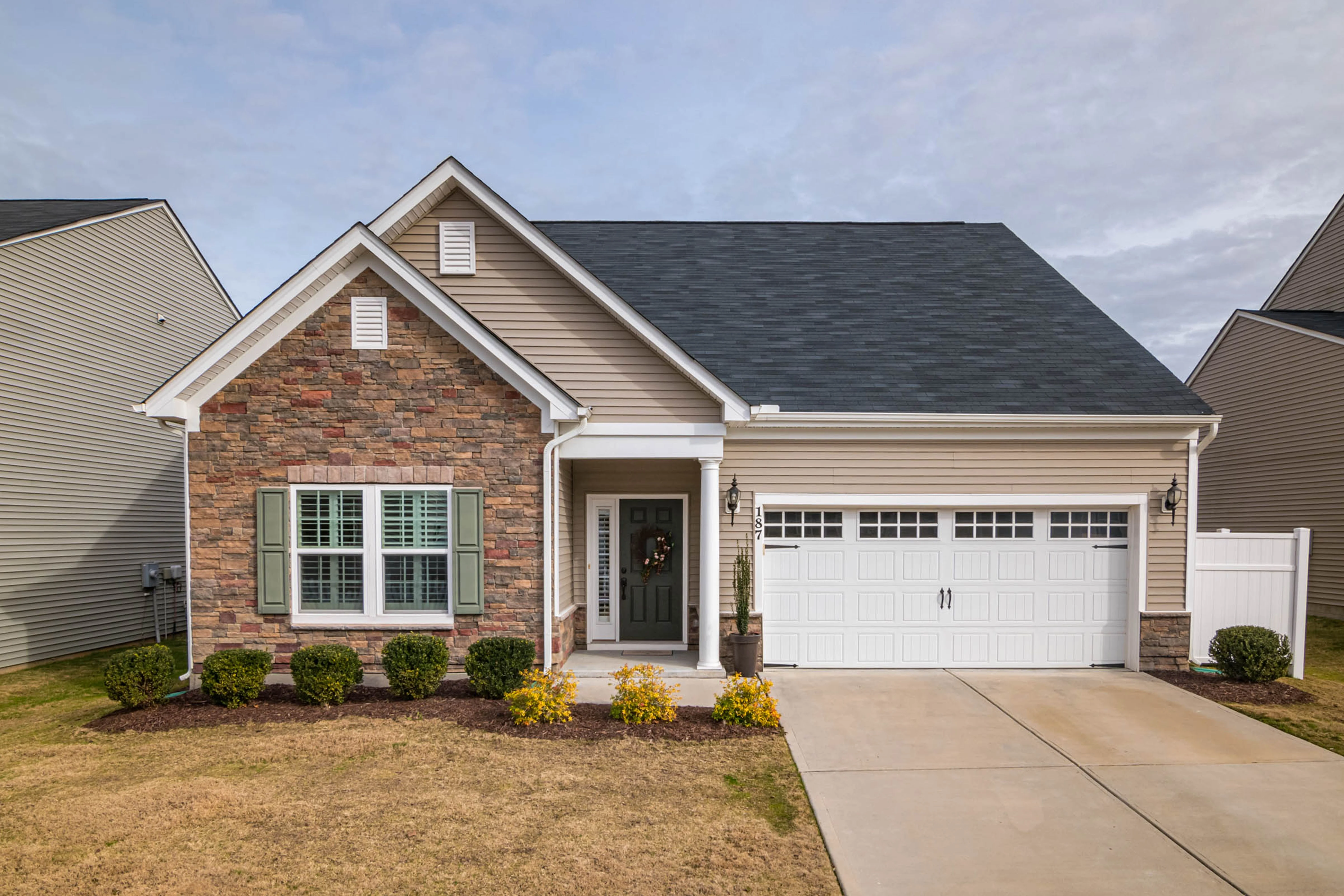
The biggest mistake we see across Elgin and the 61 areas we cover is treating every squeak or hard-start as a sign the whole door is done. It isn't, usually. Housing here runs from 1956 up through 2009, with the median landing around 1986, so a lot of what we're called out to is a 1980s or 90s-built steel sectional door that's never had anything but the original spring and opener.
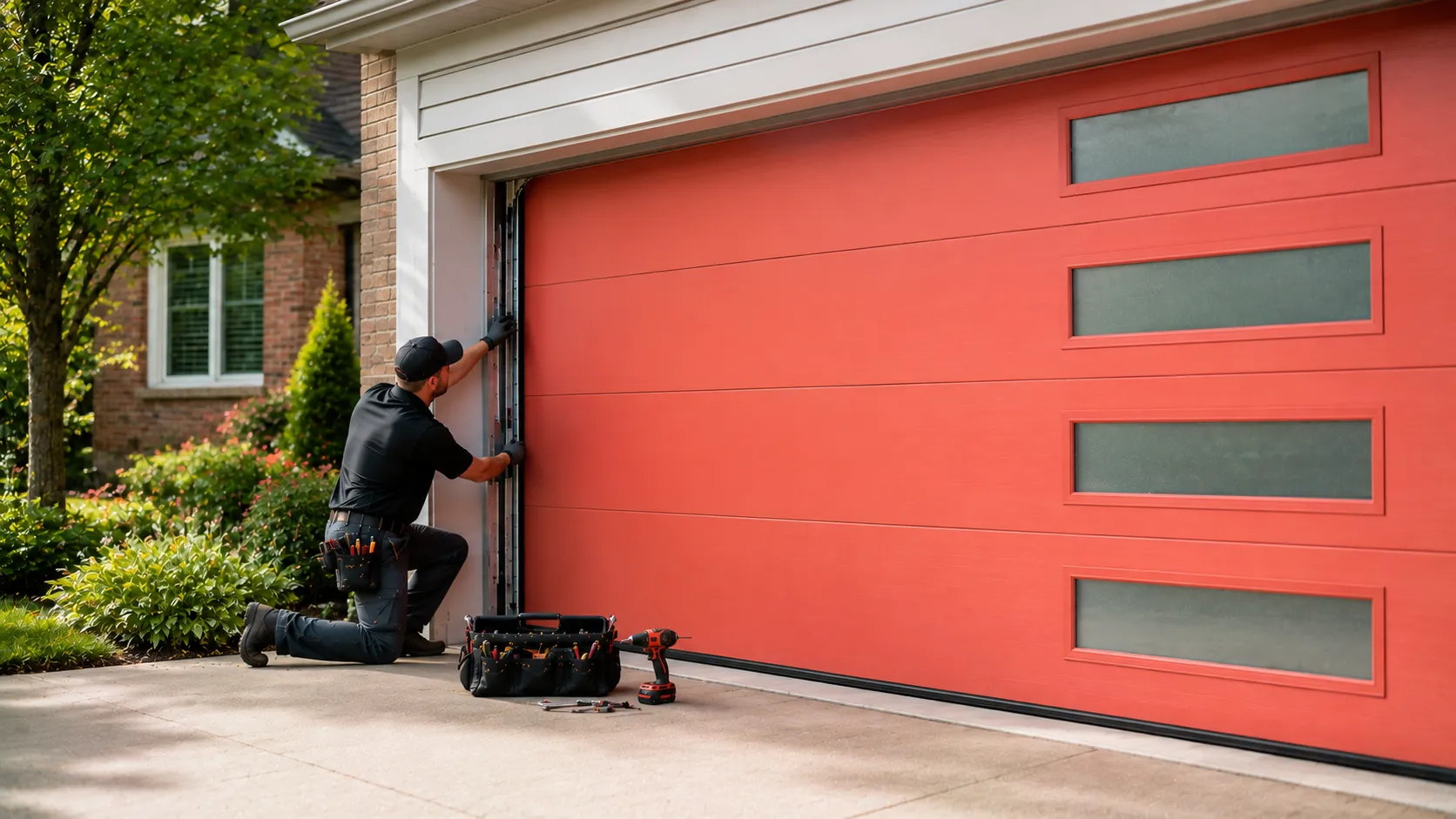
Owners hear a grind on lift-off and assume replacement, when nine times out of ten it's a worn roller or a spring that's simply lived its life span. On the flip side, some people sink money into a door that's already lost its shape - panels bowed, seams separated, the track bent from a car backing into it - because they don't want to hear "replace." Both mistakes come from the same place: not knowing what actually fails on a door this age versus what's cosmetic. A door built in the mid-80s and a door built in 2005 fail differently, and knowing where your house falls in that 1956-2009 range tells you a lot before a tech ever shows up.
The area
The Problem
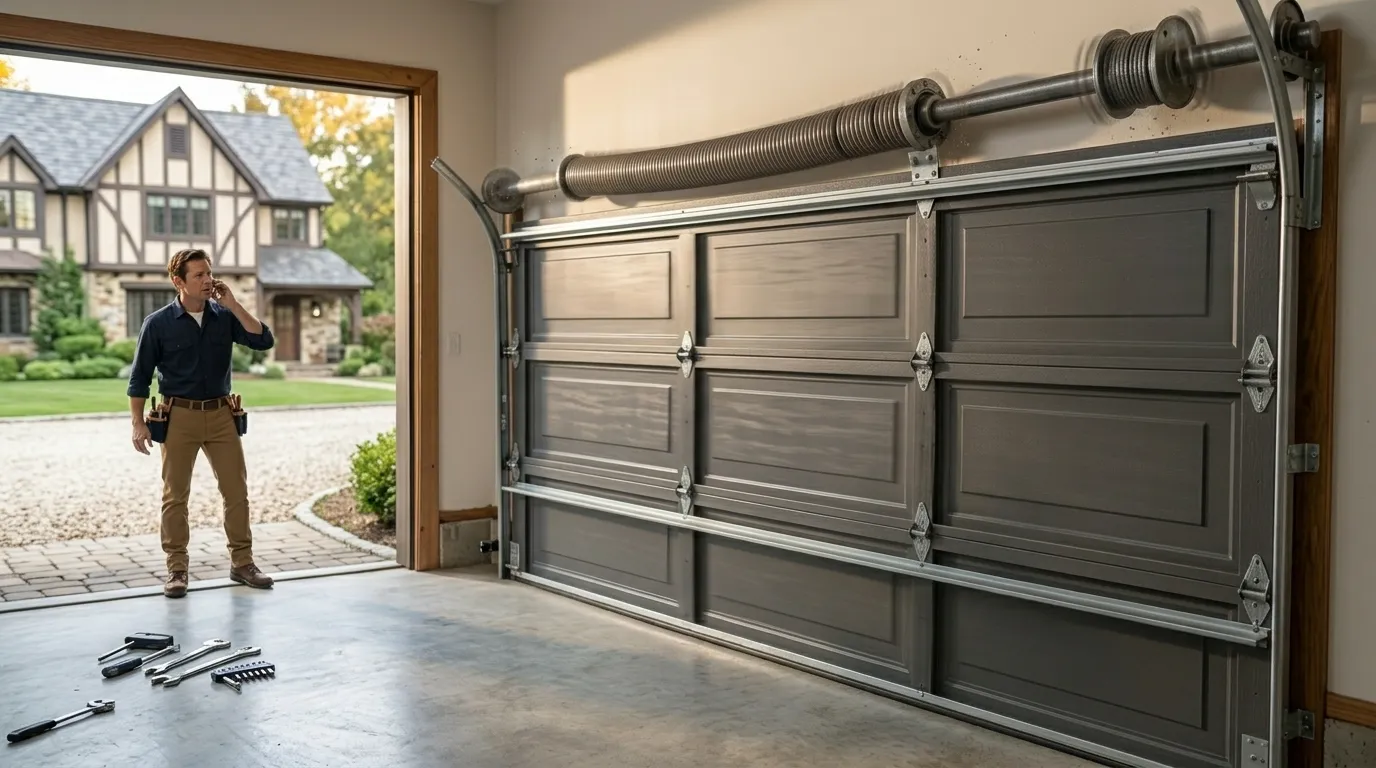
Doors from the 1980s and 90s stock that makes up most of Elgin's housing were built to a lighter standard than what's sold today - thinner steel, no foam core in a lot of cases, torsion springs sized for that lighter panel weight. Thirty-plus years on, the spring has done tens of thousands of cycles and the winding cone is often the original one, not a like-for-like replacement. That's the actual problem, not the door skin. Openers from that era are usually the second thing to go - chain-drive units with worn gears that grind before they quit outright.
Given a median household income of $111,898 across the service area, most owners here can afford a full replacement without much strain, and sometimes that's the right call. But a door with sound panels and a straight track, on a house from this build era, is very often a spring-and-opener job, not a door job. [Elgin Garage Door Pros](/) can tell you which one you've got before anything gets torn out.
What we find
How Local Conditions Play In
Elgin sits in a cold, moderate climate band, and that shapes what actually wears out first on a door this old. A steel door without foam-core insulation - common on 80s and 90s builds - doesn't fail structurally from cold, but the weatherstrip and bottom seal harden and crack years before the panel itself gives up, letting cold air straight into the garage. That's a different repair than a spring job, and it's one people confuse with "the door is old, replace it" when really it's a twenty-dollar seal.
Openers are the other piece: cold makes grease stiffen and gears bind, so a chain-drive unit already worn from decades of cycles will struggle hardest on the coldest mornings, right when you need it least. None of this means every older Elgin door needs a seal and a service call and nothing else - some panels genuinely delaminate or rust through at the bottom corner where snow and salt sit, and at that point no amount of servicing changes the honest math. But cold alone isn't a reason to write off a door that's otherwise sound.
How we work
The Seasonal Bit
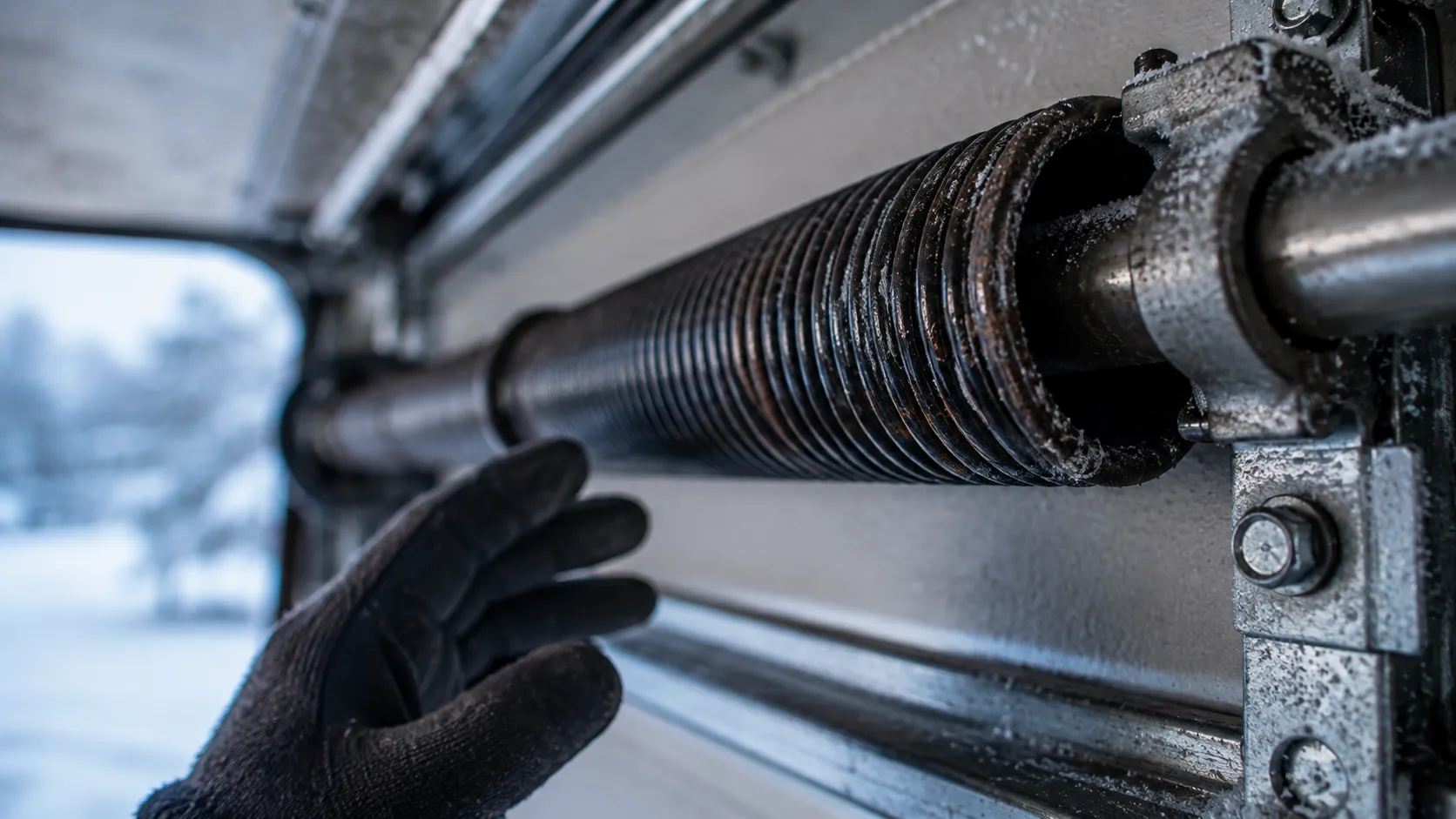
Winter is when a marginal spring finally gives out. A torsion spring nearing the end of its cycle count doesn't usually snap in mild weather - it snaps on the first hard cold snap, when the metal is stiffer and the extra resistance from a cold-hardened seal adds just enough load to finish it off. That's the pattern we see across the cold-moderate band Elgin sits in: calls spike after the first real freeze, not during it.
If your door is from that 1980s-to-90s stock that makes up most of the area's housing and it's never had the spring replaced, winter is when you'll find out. The honest limitation here: we can tell you a spring is near the end from wear patterns and cycle estimates, but we can't tell you the exact week it'll go. What we can say is that replacing a tired spring before the cold snap costs a lot less than an emergency call after it lets go with the door halfway up and a car underneath it.
Questions
Common questions
Is it worth fixing a garage door from the 1980s instead of replacing it?
Usually, yes, if the panels are straight and the track isn't bent. Most of what fails on a door that age is the spring, the opener, or the weatherstrip - all repairable. Replacement makes more sense once the panel skin itself has rusted through or delaminated, which is a different problem than age alone.
Why did my garage door spring break during a cold snap?
Cold-hardened seals and stiffer metal add just enough extra load to finish off a spring that was already near the end of its cycle life. It's rarely bad luck - it's a spring that was going to go soon regardless, and the first hard freeze is what tips it.
How do I know if my door's age means it needs full replacement?
Age by itself isn't the deciding factor. A 1986-era door with sound panels and a straight track is often just a spring and opener away from another decade of use. Rust through the bottom panel or a warped track are the signs that point toward replacement instead.
Ready when you are
Need a garage door sorted in Elgin?
Elgin Garage Door Pros repairs and installs garage doors, springs and openers in Elgin, IL and the surrounding area.