
Modern-only repair focus
That changes what a service call actually looks like. We're not chiseling rust off 1980s hardware or hunting down a part for a door track nobody makes anymore.
Pingree Grove, Elgin
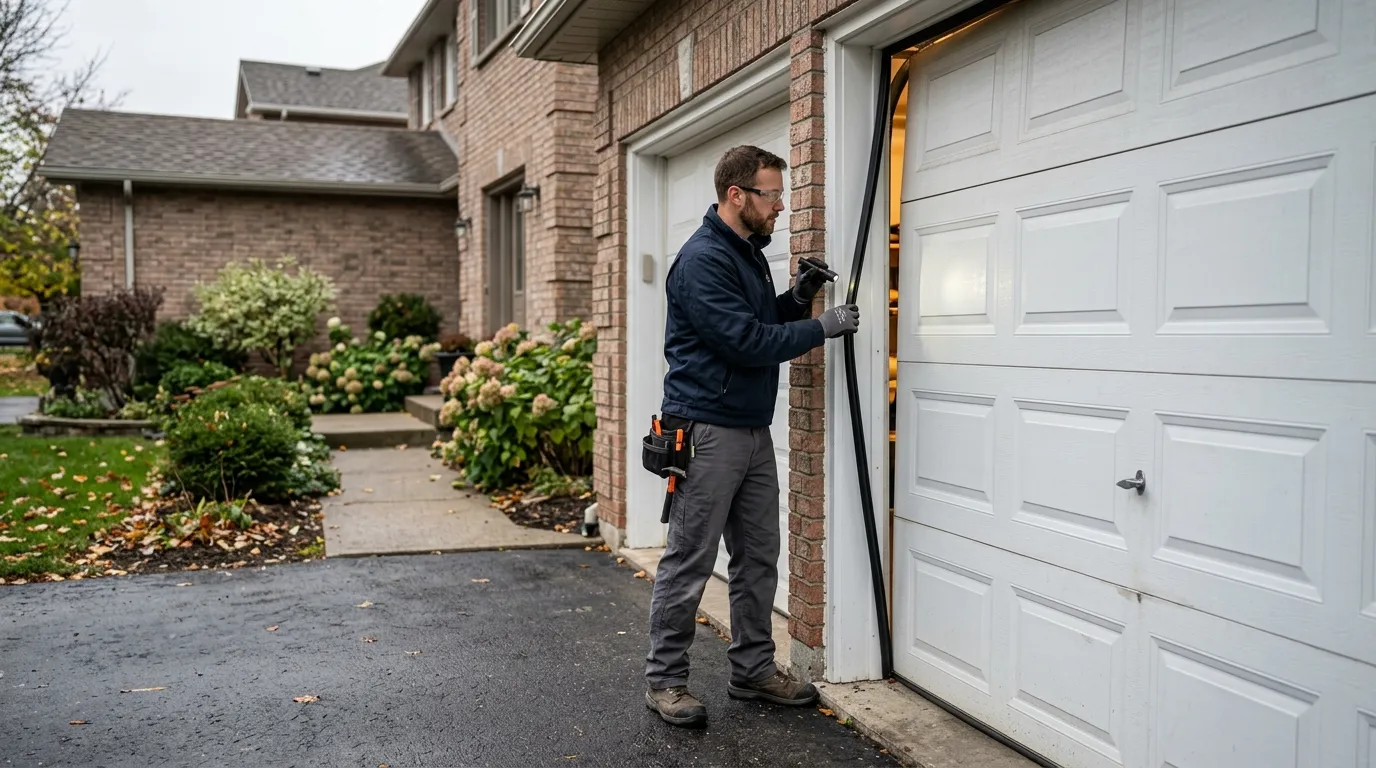
Most Pingree Grove garage doors are still running their original builder-grade hardware. We drive out from Elgin to fix springs, openers, and tracks that have never been touched.
Pricing
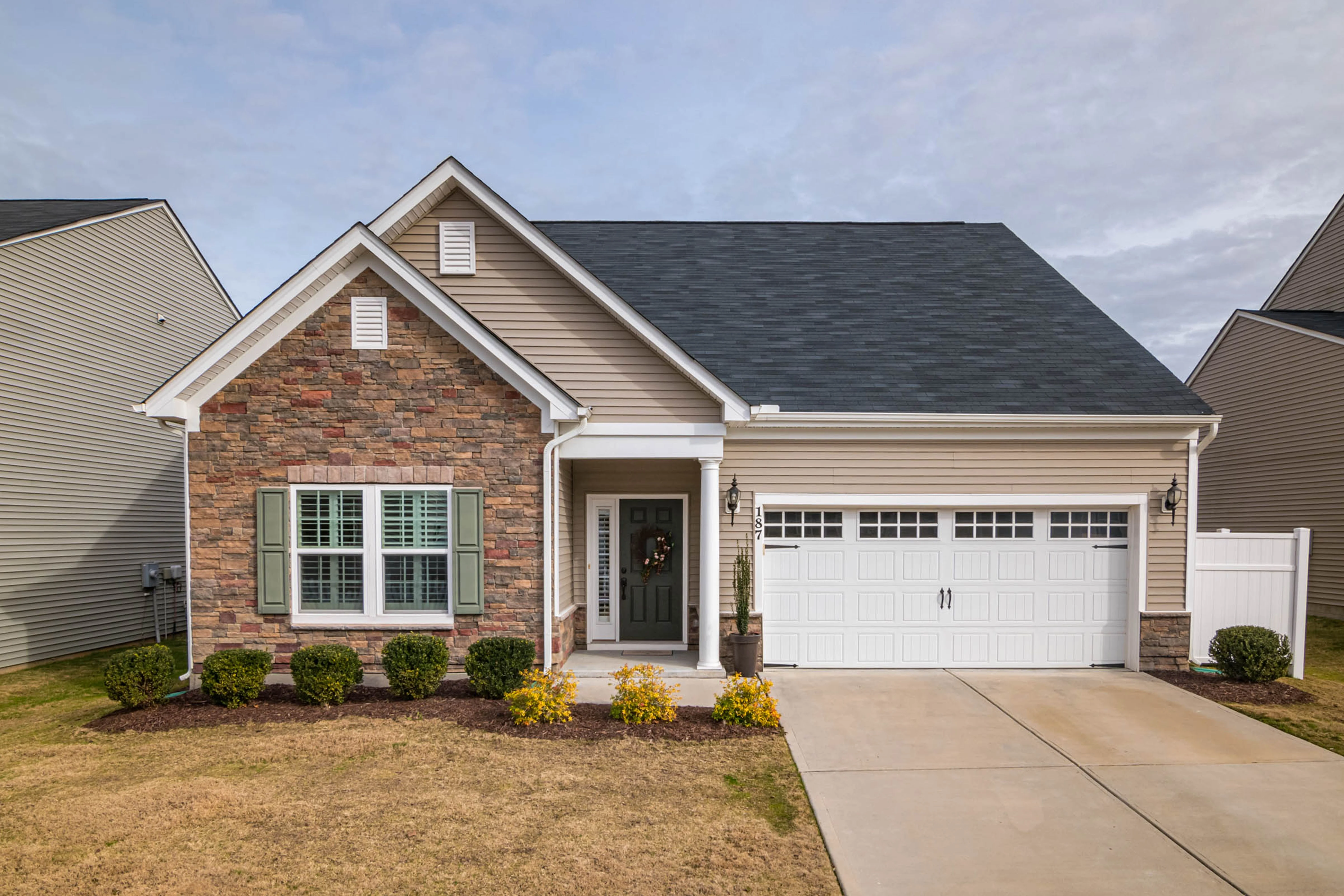
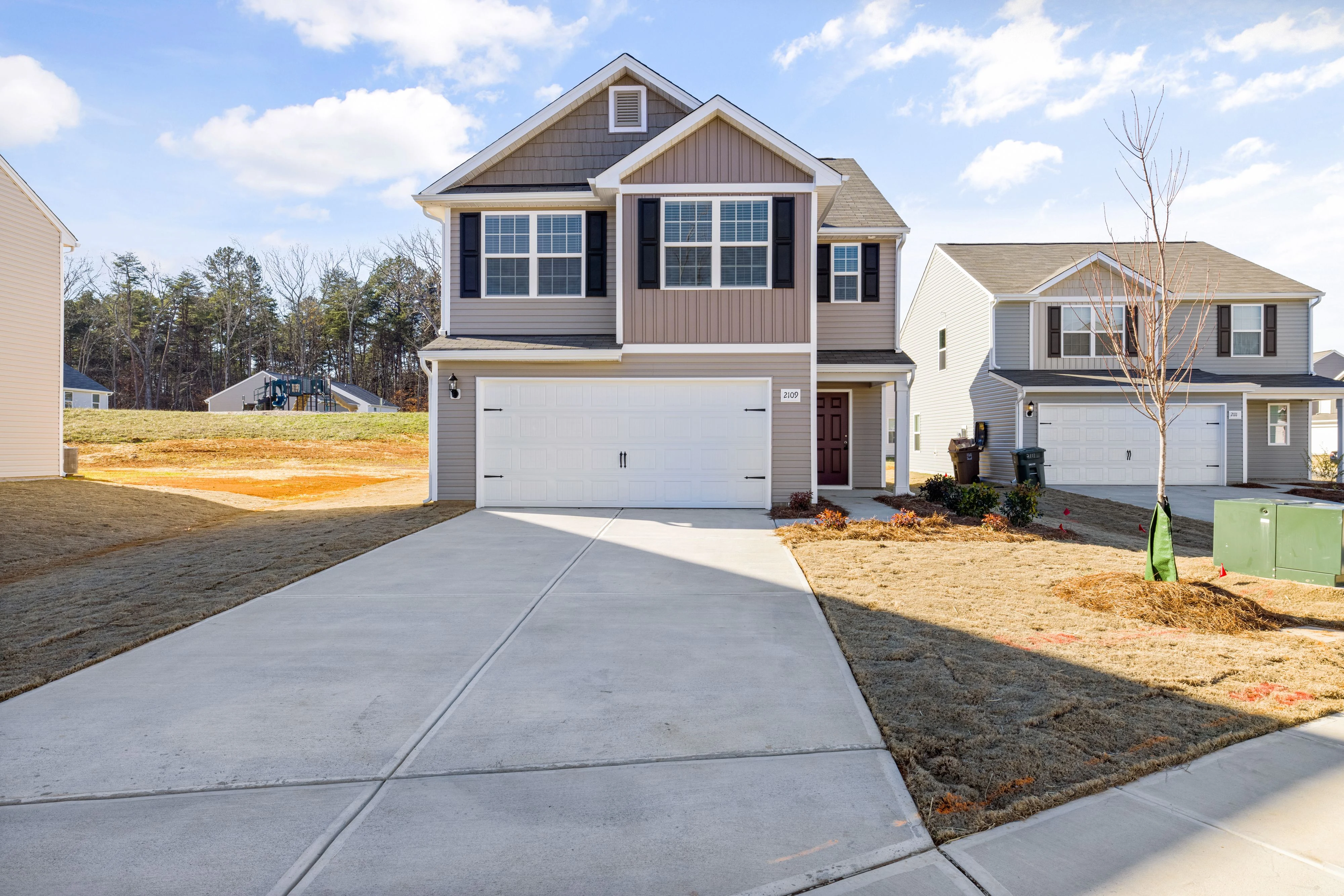
Pingree Grove is a newer build than most of the towns we cover out of Elgin - the median home here went up around 2009, which means almost nobody in this town has swapped a spring, opener, or set of rollers yet.
That changes what a service call actually looks like. We're not chiseling rust off 1980s hardware or hunting down a part for a door track nobody makes anymore.
We're pulling the original builder-grade torsion spring or the factory opener that's been running since the house was framed, and pricing the job on what's actually worn, not on decades of patched-together fixes. A house this age usually needs one clean repair, not three.
We quote after we look at the door, not before, because a spring job and a full opener swap aren't the same invoice, and we're not going to pretend they are over the phone.
Watch-outs
At roughly 15 years old, the doors in Pingree Grove are hitting the point where original torsion springs start losing tension and factory openers start showing their first real failures - a motor that grinds before it lifts, a logic board that resets itself, a sensor pair that's been knocked out of alignment since move-in and finally quit compensating. This is also cold-climate country, and stiff winter grease on hardware that's never been serviced is a common way a 15-year-old spring finally lets go - usually on the first hard freeze, not the hundredth. Rollers on a house this age are original nylon, and they're due. None of this is dramatic. It's just a house reaching the age where the parts installed at construction start needing attention for the first time.
On the truck
We stock the torsion springs and cable sets sized for the doors that went into houses built through the 2000s, along with the rollers and hinges that match that era of hardware. Openers from a 2009-era build are usually still a common chain or belt-drive unit, and we carry replacement logic boards and remotes for the models that show up most in newer subdivisions. What we don't carry on the truck is anything discontinued or specialty - if a house has a door outside the standard builder spec, that part may need to be ordered, and we'll tell you that up front instead of making a second trip look like bad luck.
The repair
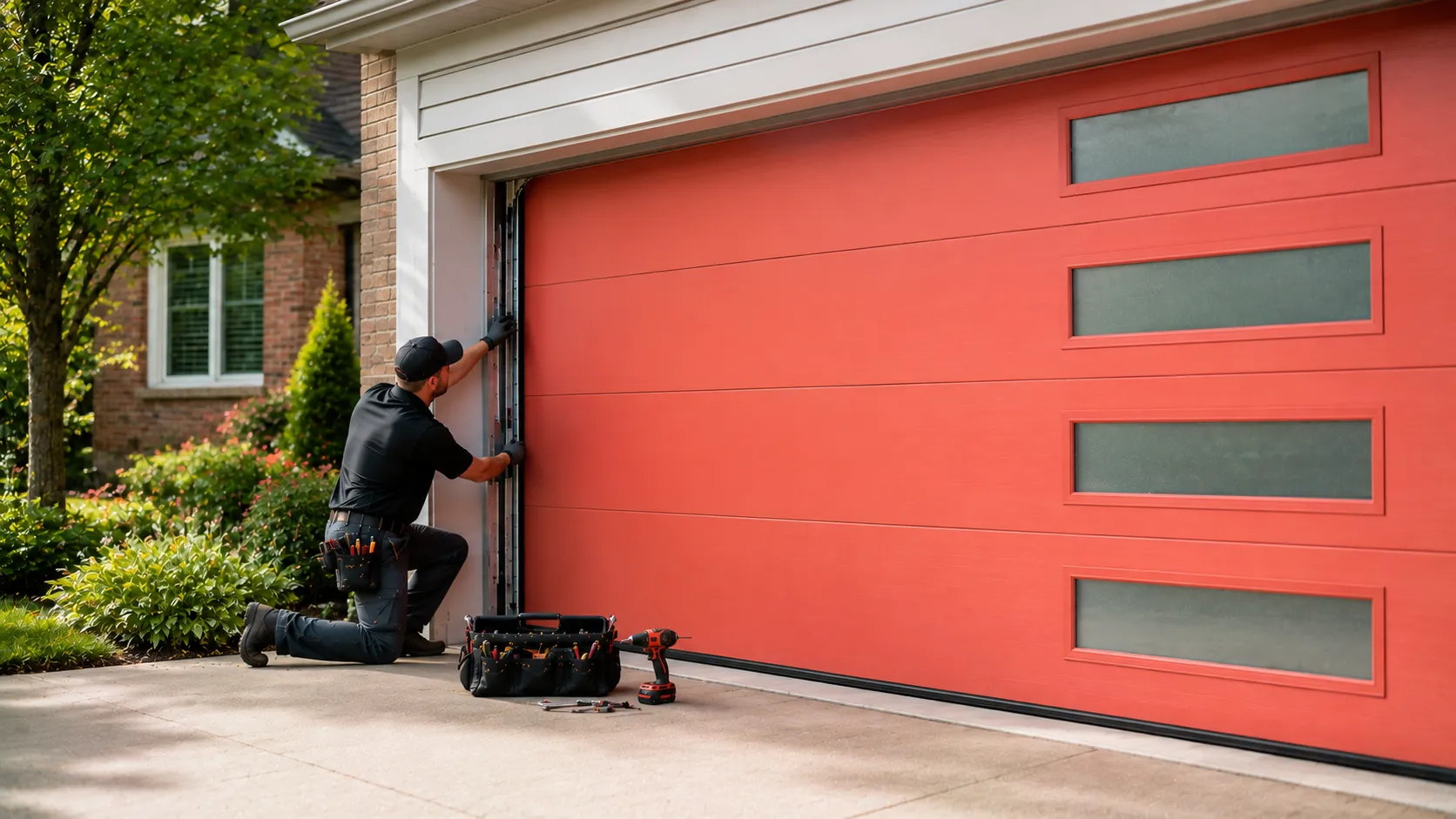
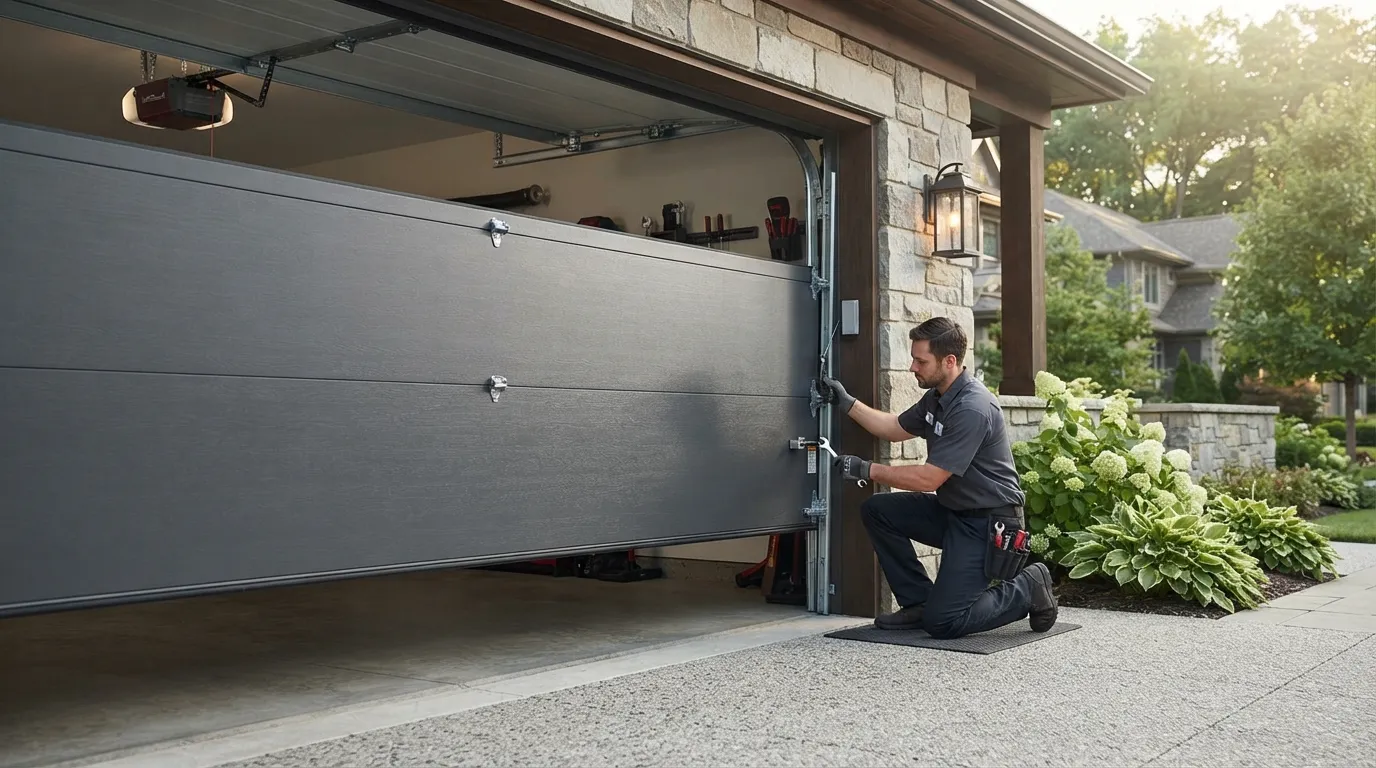
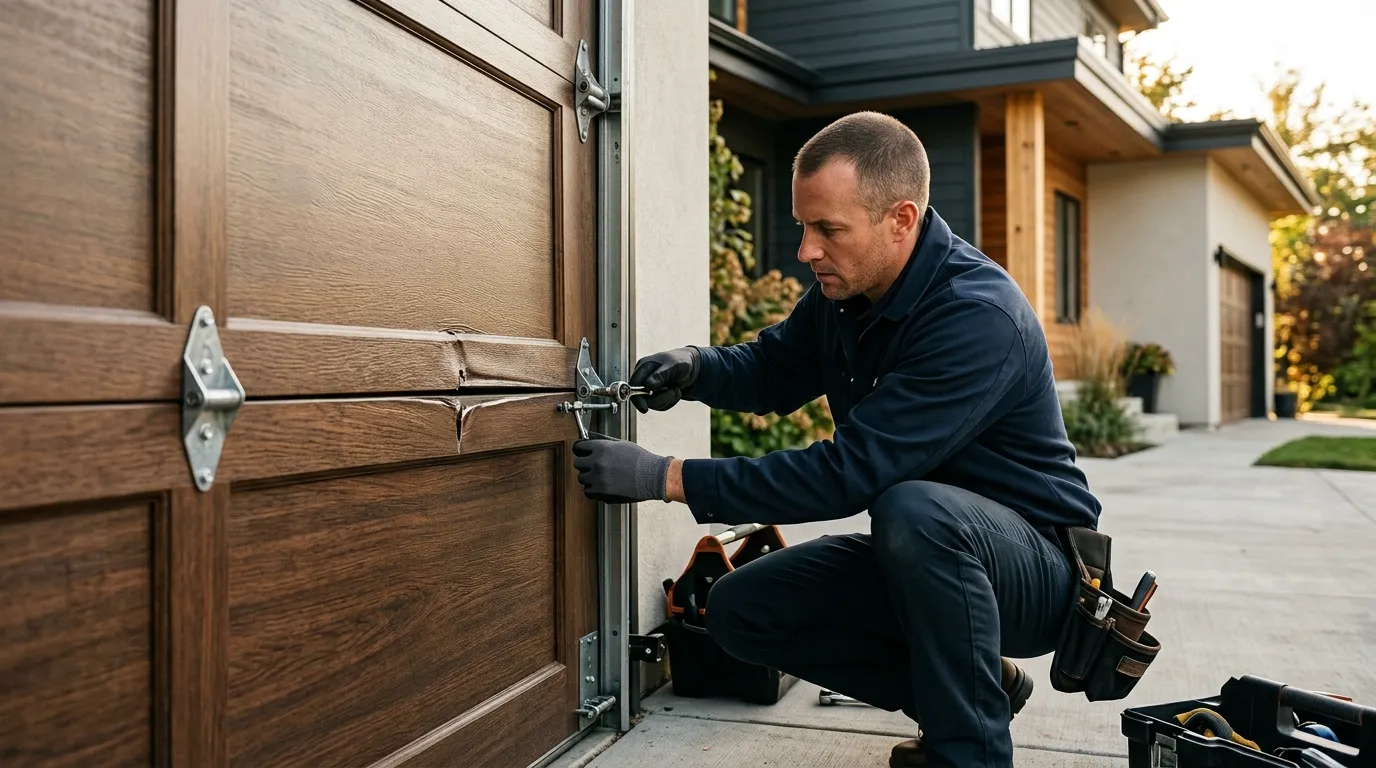
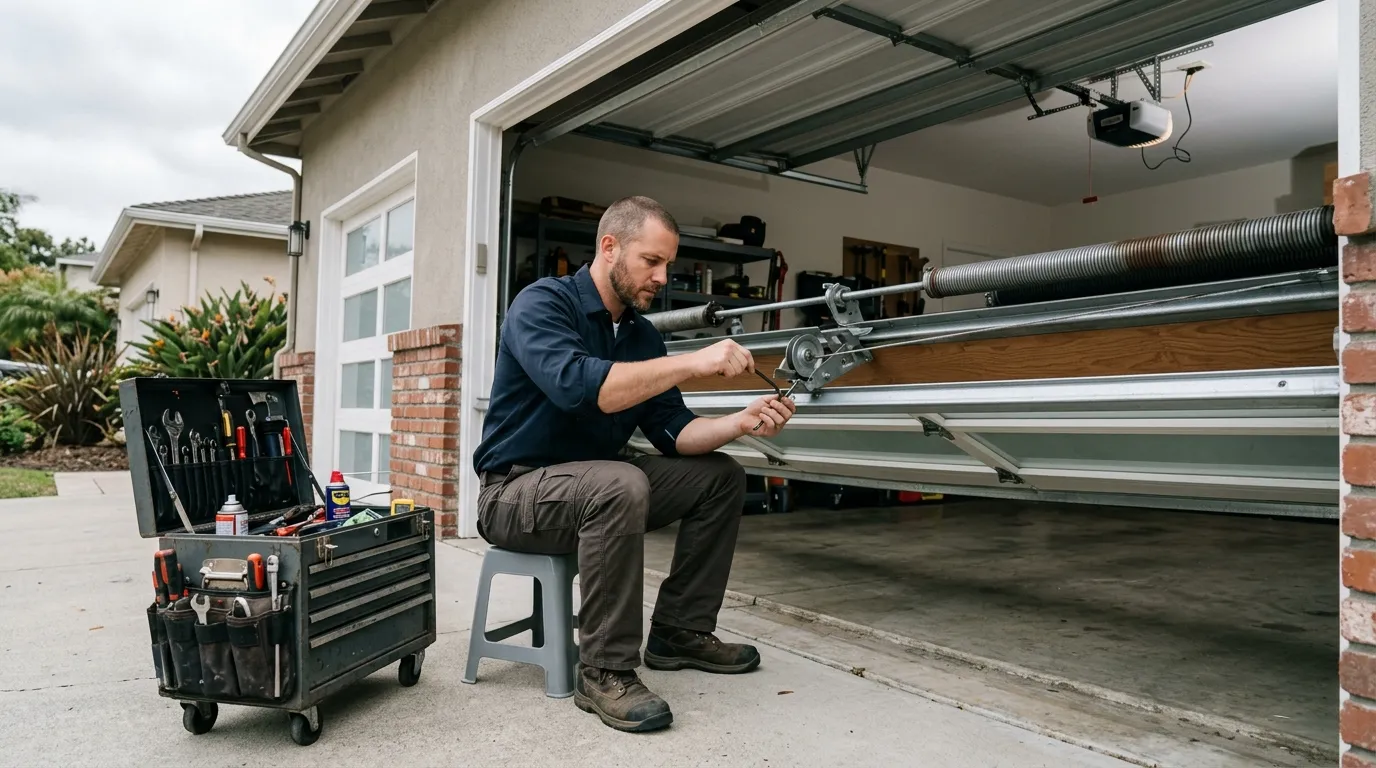
On a door this age, the fix is usually narrower than people expect. If it's the spring, we're not rebuilding a corroded track or replacing bent brackets - we're pulling one part that's original to the house and putting in one that matches it, then rebalancing the door so the opener isn't doing the spring's job.
If it's the opener, we check the logic board and sensors before we recommend a full swap, because a 15-year-old opener with a bad board is often cheaper to repair than replace.
We test the door's balance and travel limits after any repair, not just the part we came for - on a house this age, a spring that's finally failing is often the first sign the opener's force settings have been compensating for months.
Warning signs
A homeowner in Pingree Grove usually calls us for one of two things: a door that won't budge because the original spring finally snapped, or an opener that's started making a new noise - a hesitation before the chain engages, or a grind on the way up that wasn't there last winter. Because the housing stock here is so uniform in age, we see the same handful of failures repeat across the subdivision: same spring gauge, same opener model, same rollers going soft at close to the same mileage. That's useful - it means when you call, we usually already know what part we're bringing before we look at the door.
Timing
A spring replacement or opener repair on a standard builder-grade setup is a single visit; we bring the parts and do the work in one trip out from Elgin. If a part turns out to be non-standard for the house, or the opener needs a board we don't stock, that's the one honest exception - we'll order it and schedule a return trip rather than guess. We don't operate a branch in Pingree Grove; every job here is a drive out, so we schedule the visit around getting the whole repair done in that trip, not a diagnostic-then-fix split.
Questions
Almost certainly, if your home is part of the newer construction typical of Pingree Grove. Most houses here were built well after 2000, so unless a previous owner already had work done, the spring, opener, and rollers are the same ones installed at construction - and they're reaching the age where the first real wear shows up.
No. We're based in Elgin and drive out to Pingree Grove for every job, about a 15-minute trip. We don't keep a branch or staff on-site here, so we schedule visits to get the repair done in one trip rather than a separate diagnostic stop.
Cold makes stiff, unserviced grease on an aging torsion spring more likely to fail under tension, and a spring installed when the house was built is now old enough that a hard freeze is a common trigger for the final break, not the cause of the wear itself.
Explore more
Ready when you are
Elgin Garage Door Pros repairs and installs garage doors, springs and openers in Elgin, IL and the surrounding area.