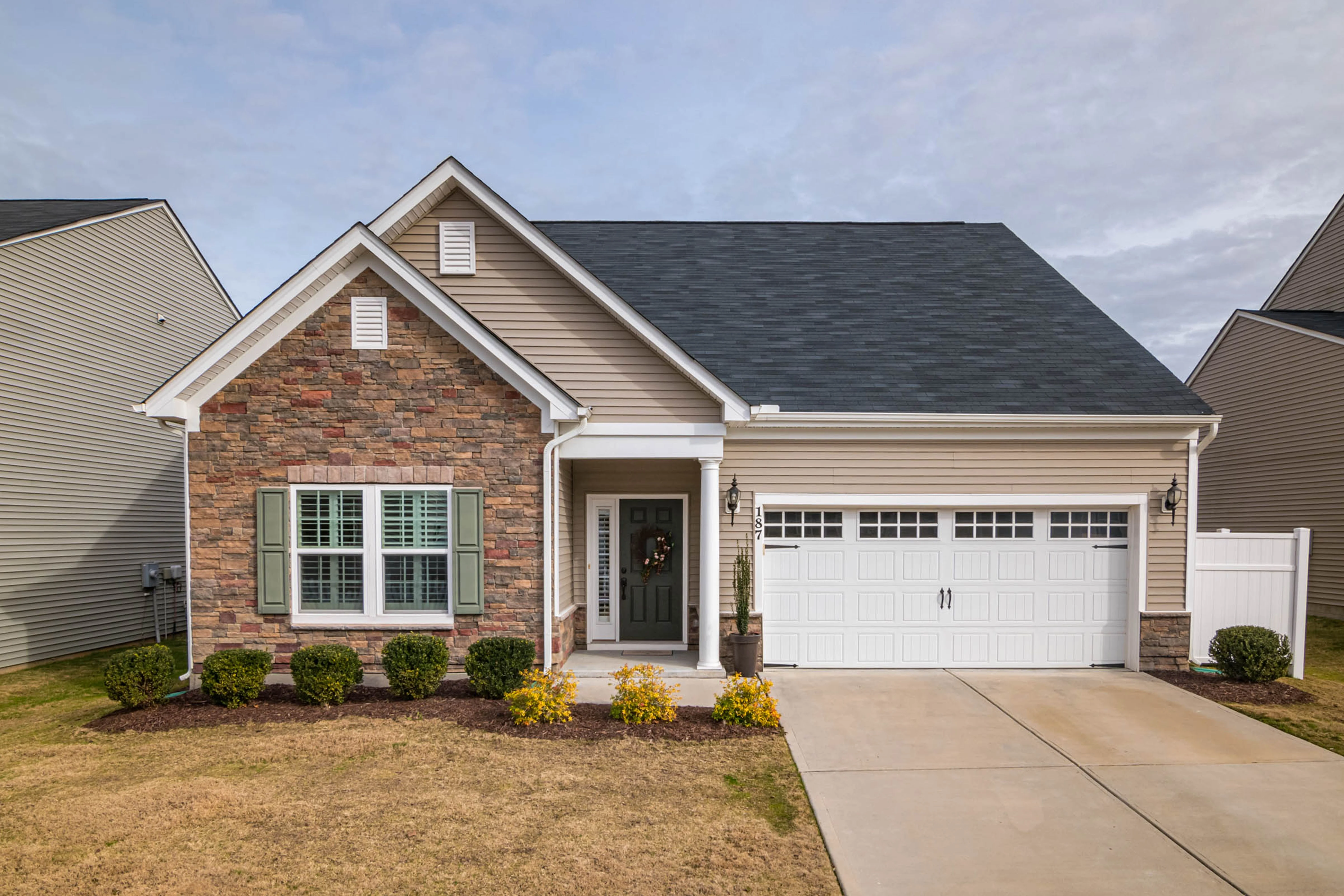
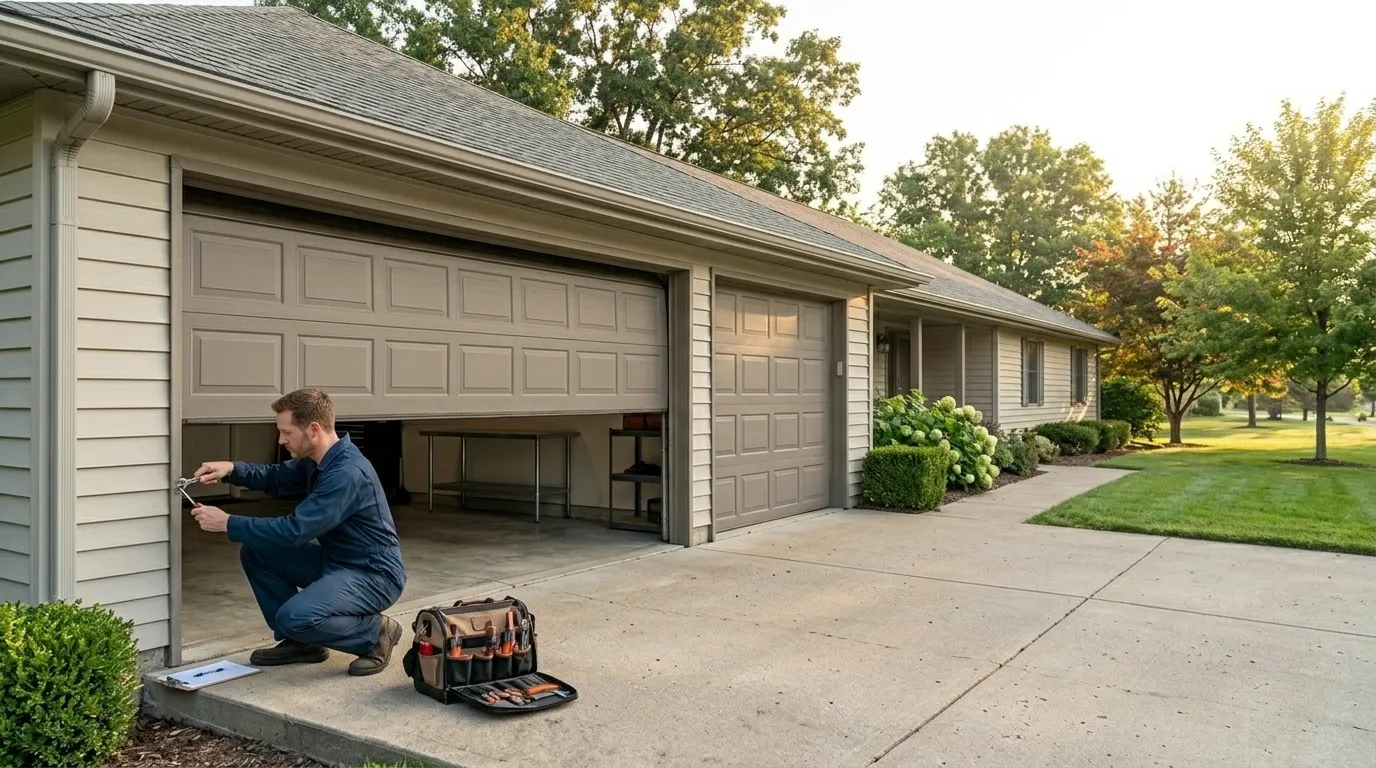
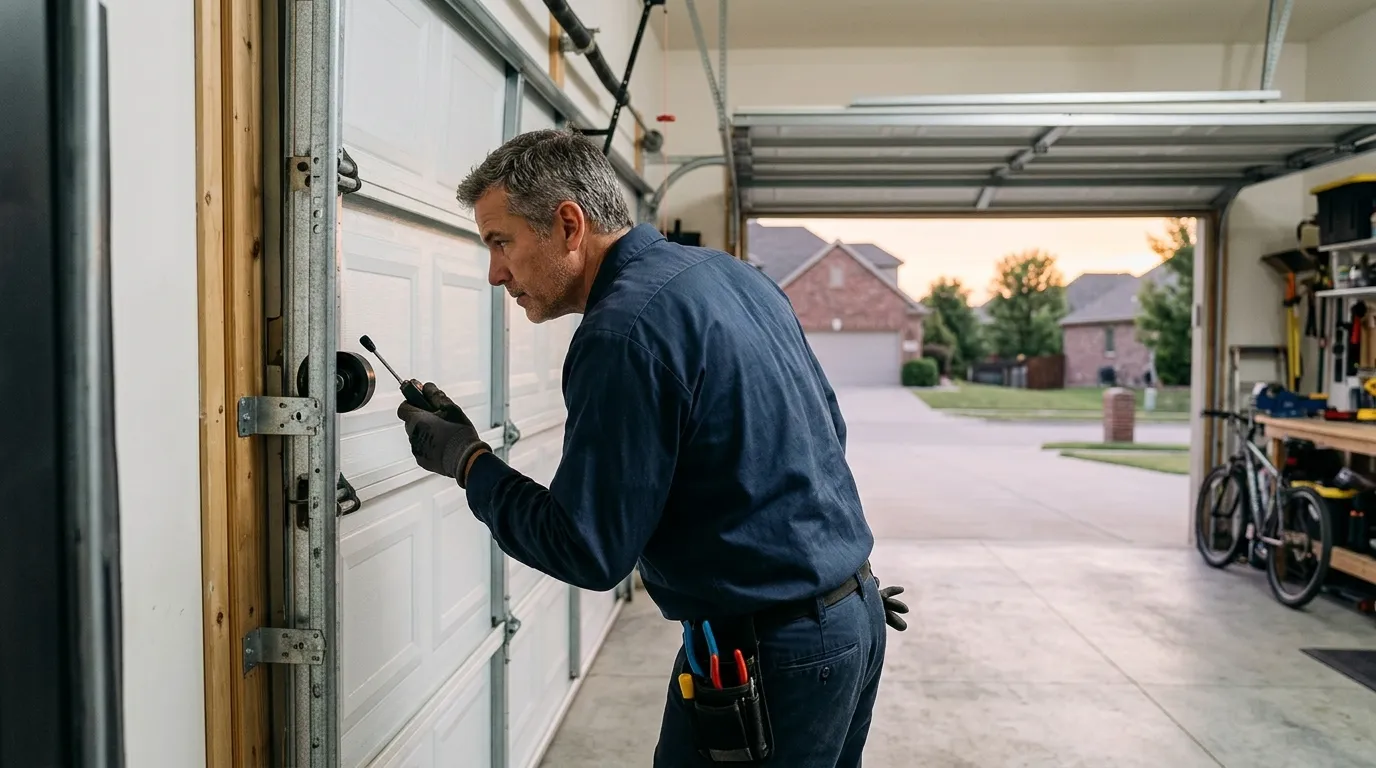
First thing we do is match the panel - manufacturer, panel width, groove pattern, insulation type. This is the step people underestimate. A door built in the 80s or 90s often used a panel profile that isn't stocked new anymore, so we're either sourcing a compatible match or, if the run is discontinued, having an honest conversation about whether a single-panel patch job makes sense versus replacing the full door.
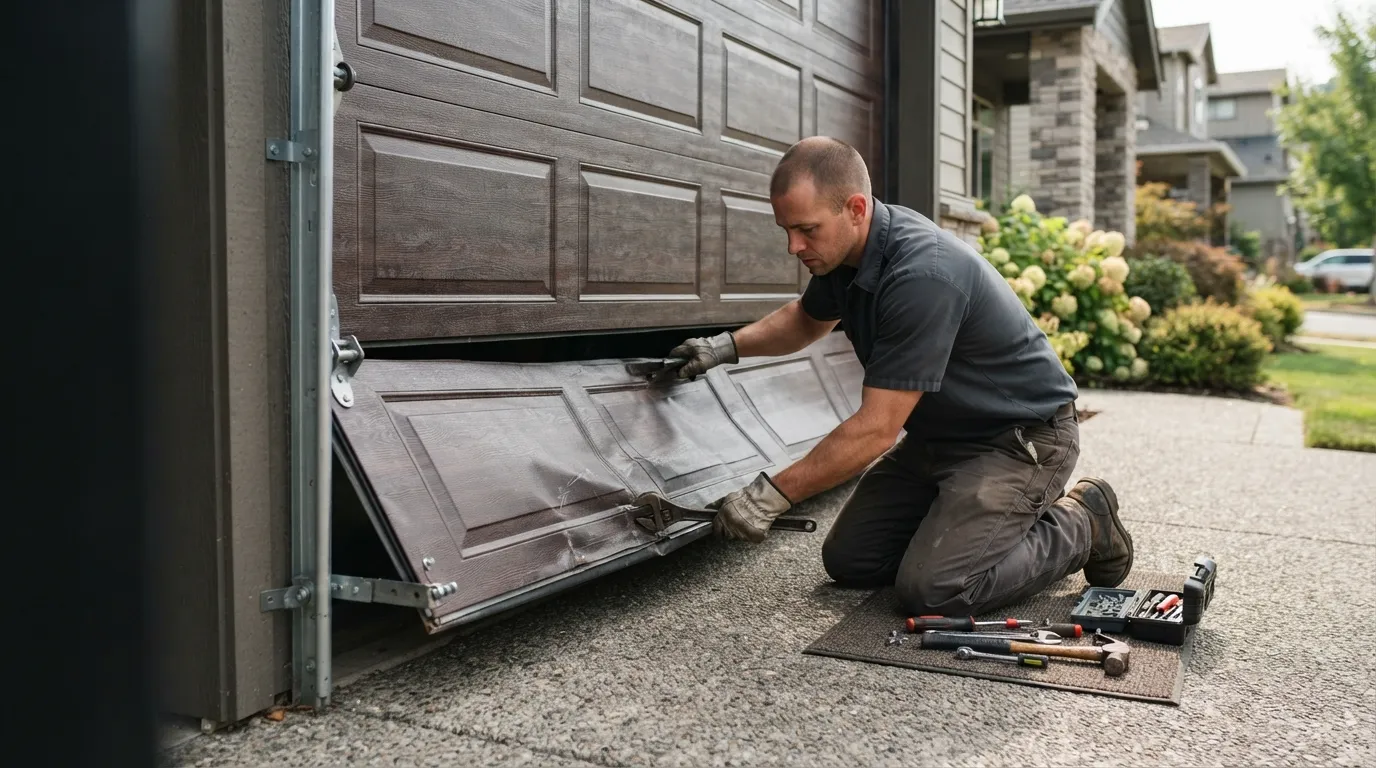
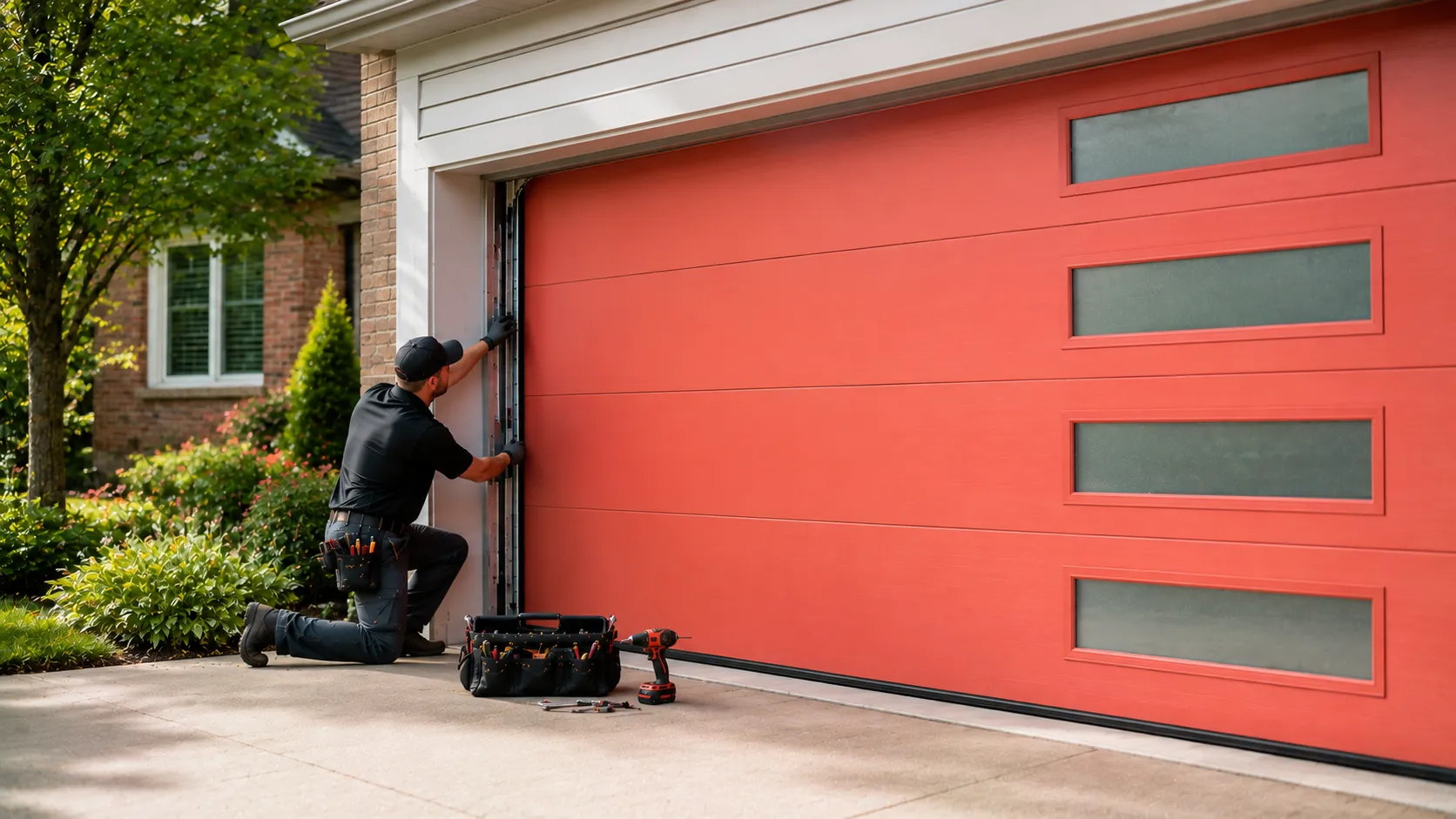
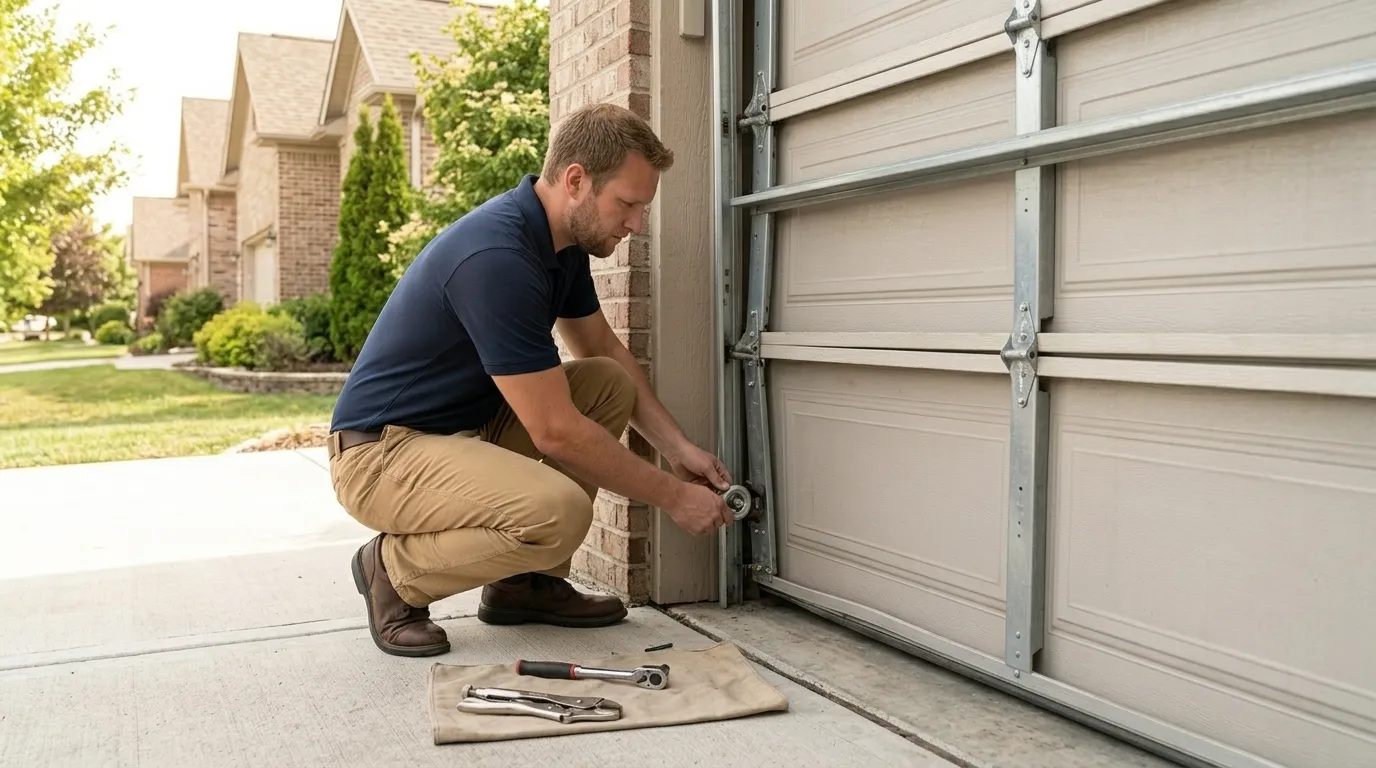
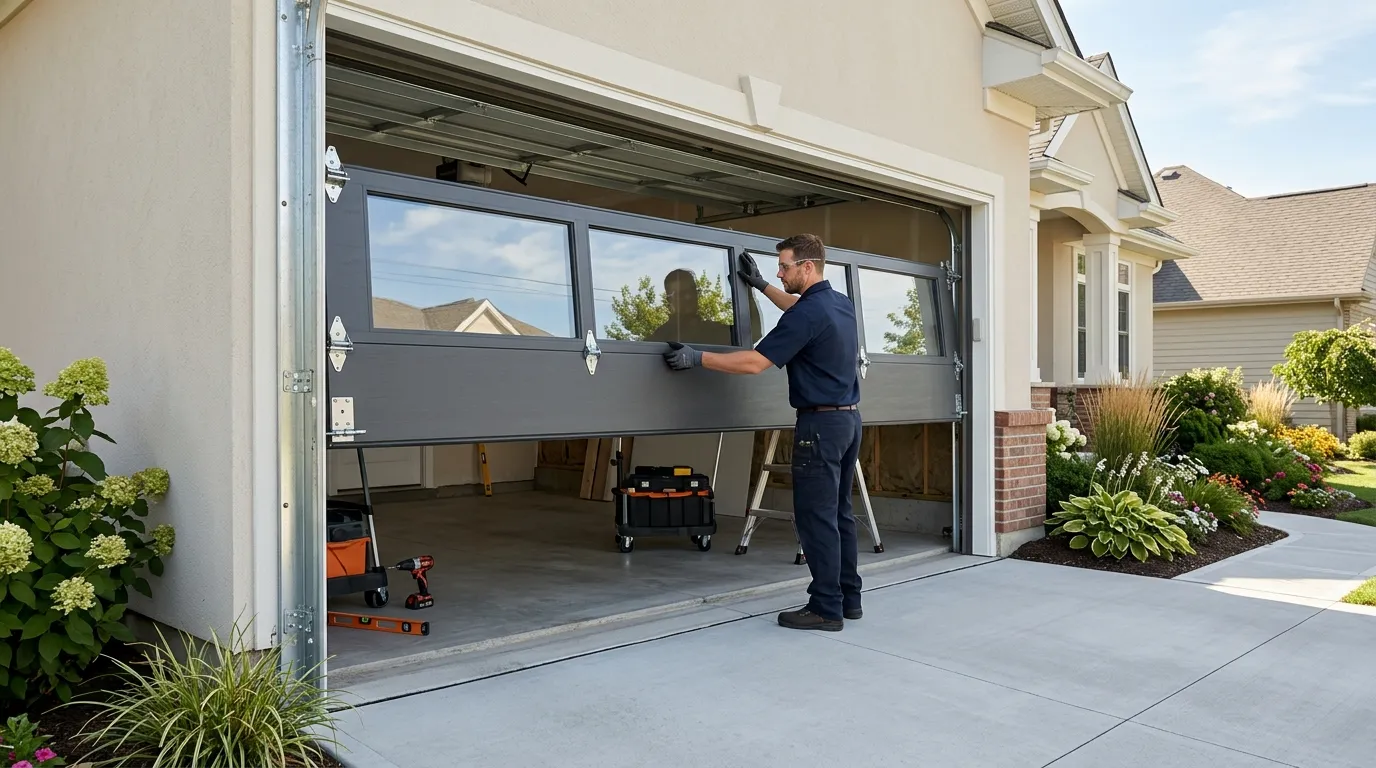
Once we've got the right panel, the job itself is mechanical: unbolt the hinges holding the damaged section, disconnect it from the track rollers, lift the new panel into place, rebolt the hinges, and check that the door still tracks straight top to bottom. On a double-wide door we check both sides evenly, since a panel swap that's slightly off can throw the whole door out of square.
Honest limitation: if more than one or two panels are damaged, or if the door is old enough that the manufacturer's panel profile is discontinued, panel replacement stops making financial sense. At that point we tell you straight - full door replacement costs less than chasing parts for a door nobody makes anymore.