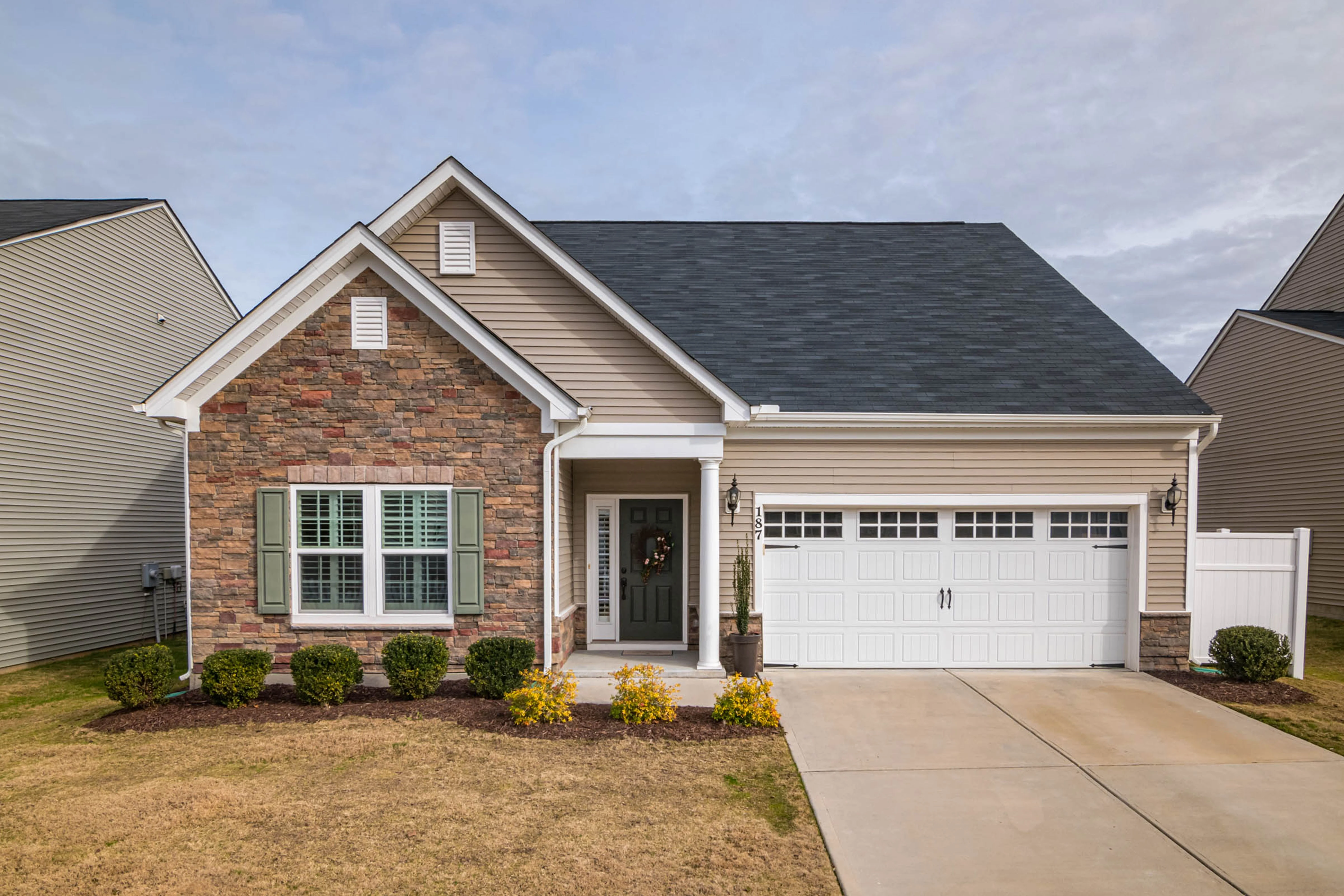
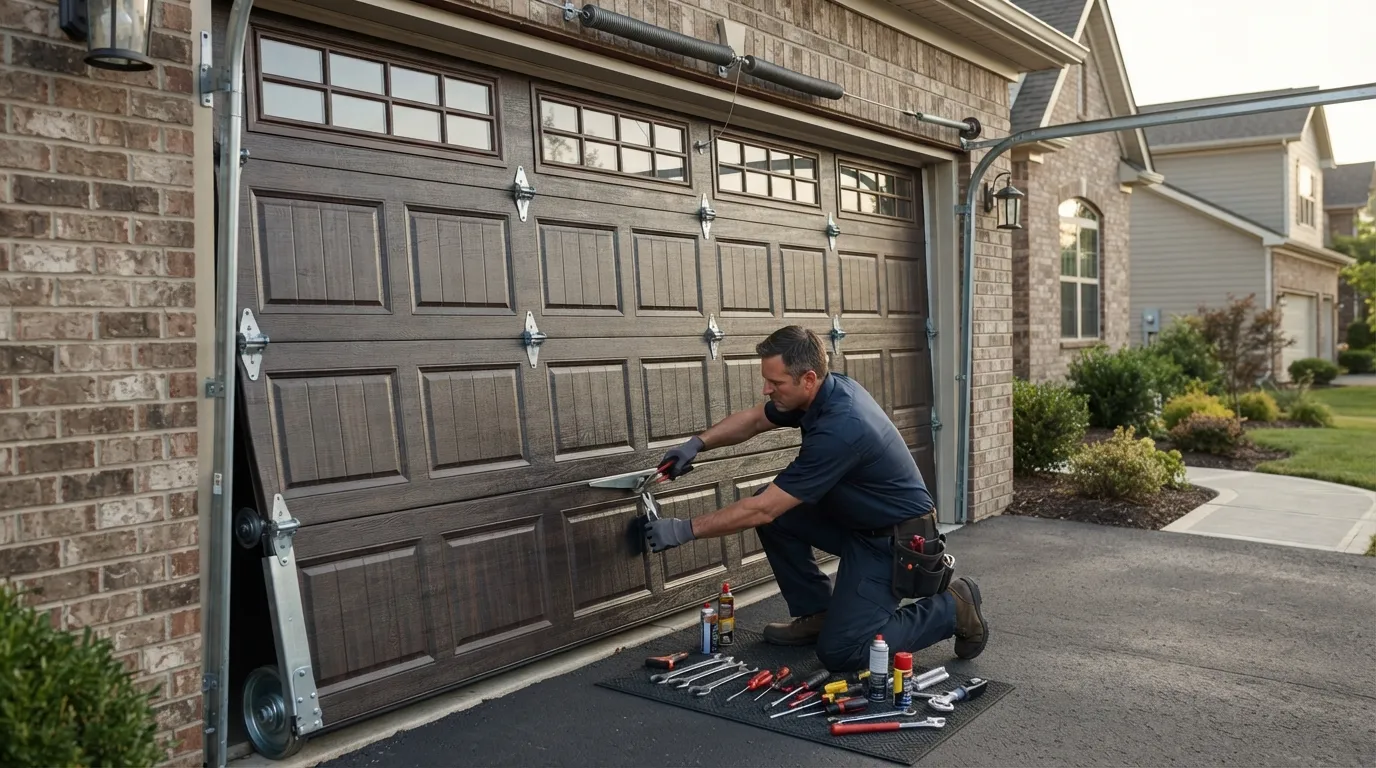
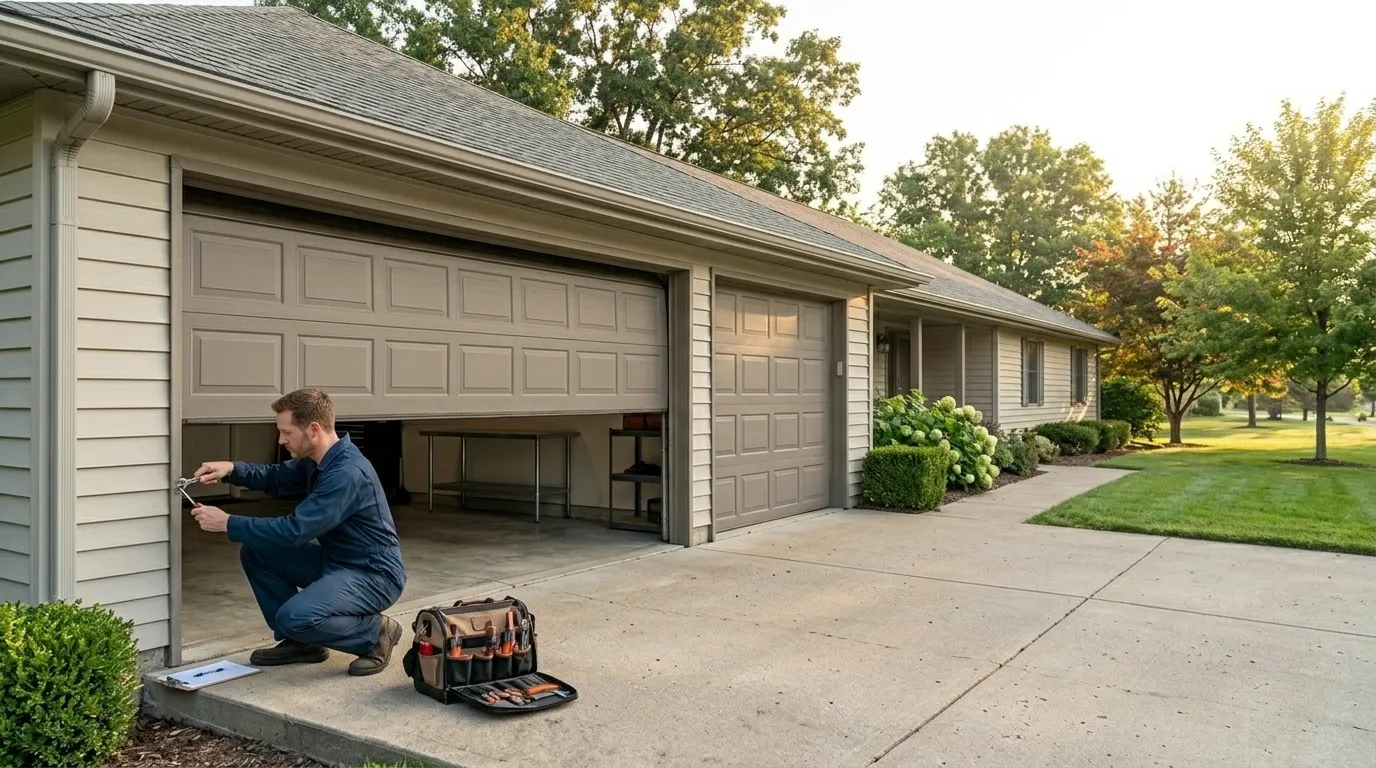
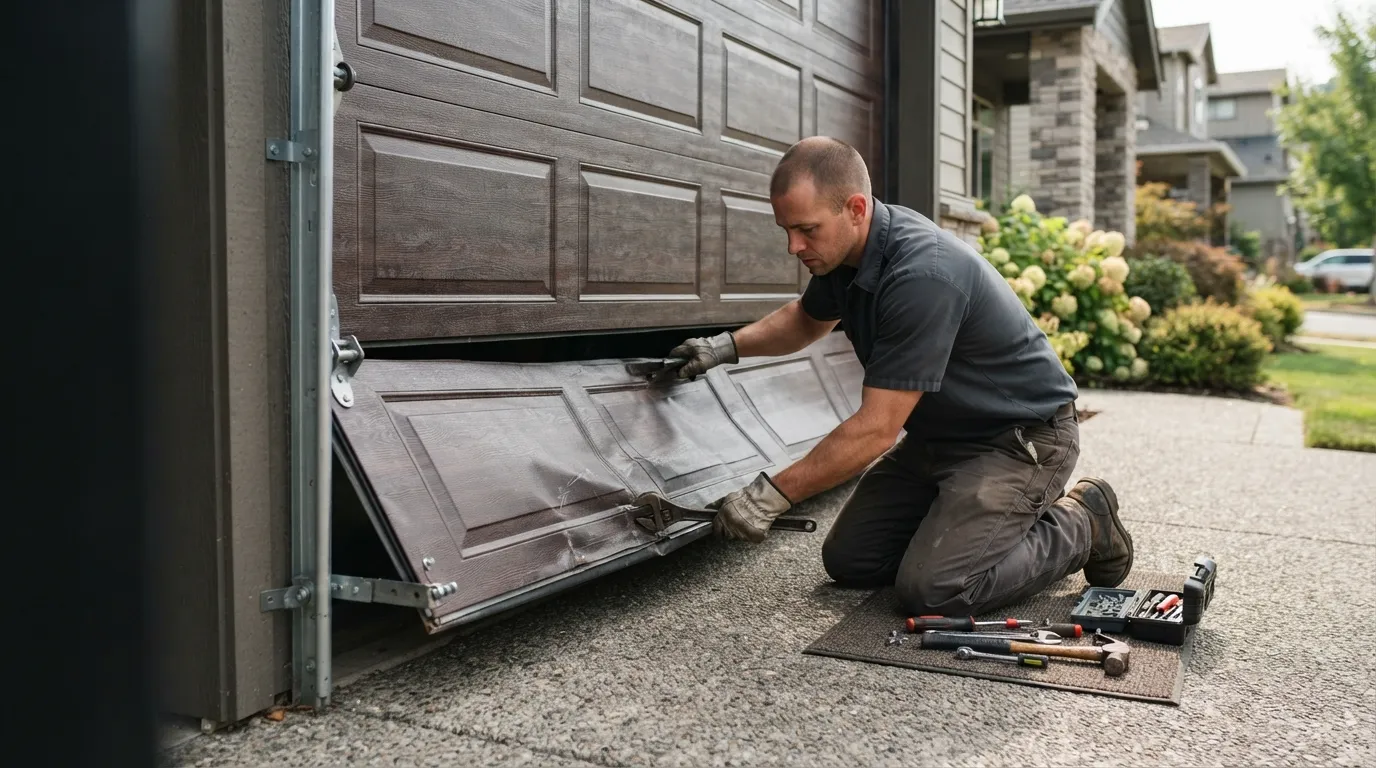
Elgin's housing runs 1956 to 2009, with the median build year sitting at 1986. That means most garages in town were framed with steel doors, torsion springs, and openers sized for a house built during the Reagan years - hardware that was standard then and is undersized or simply worn out now. Across the 61 named areas we cover, the pattern repeats: 1980s and 90s stock, original springs, original tracks, upgraded once maybe, if at all.
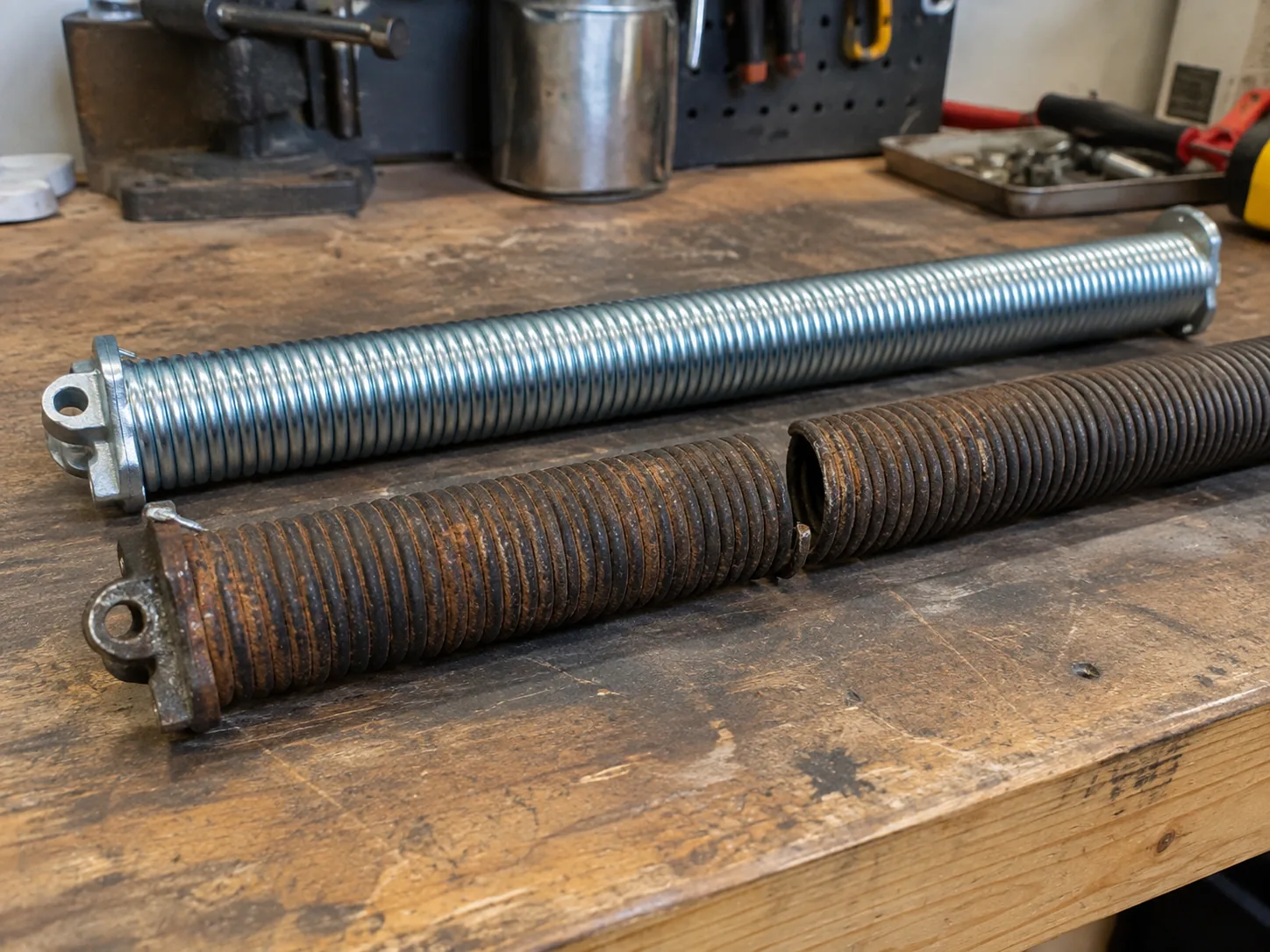
Add the climate. Elgin sits in a cold, moderate band, which means real freeze-thaw cycles every winter. Steel contracts in January cold and expands again in a March thaw, and that cycling is what fatigues a torsion spring faster than age alone. A spring rated for 10,000 cycles doesn't care what year it is - it cares how many times it's been stretched cold and released, over and over, for three or four decades.
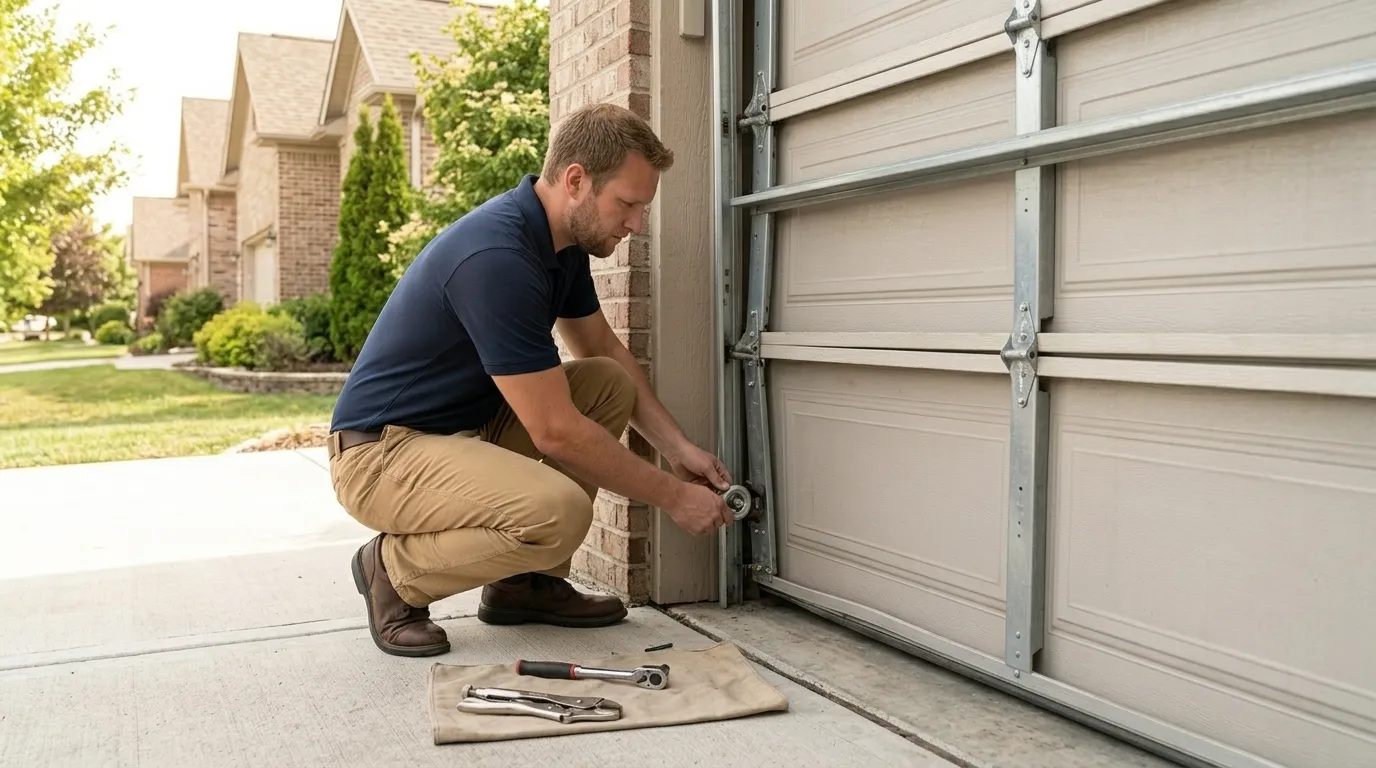
So the failure you're calling about isn't random. It's a 35-to-40-year-old spring or a track that's racked slightly out of true from years of thermal movement, on a door that was never upgraded because it never had an obvious reason to be - until it stopped opening.