
Cold triggers failure
A spring that's marginal in October usually finishes failing on the first hard cold morning, because cold steel is less forgiving of a spring that's already fatigued.
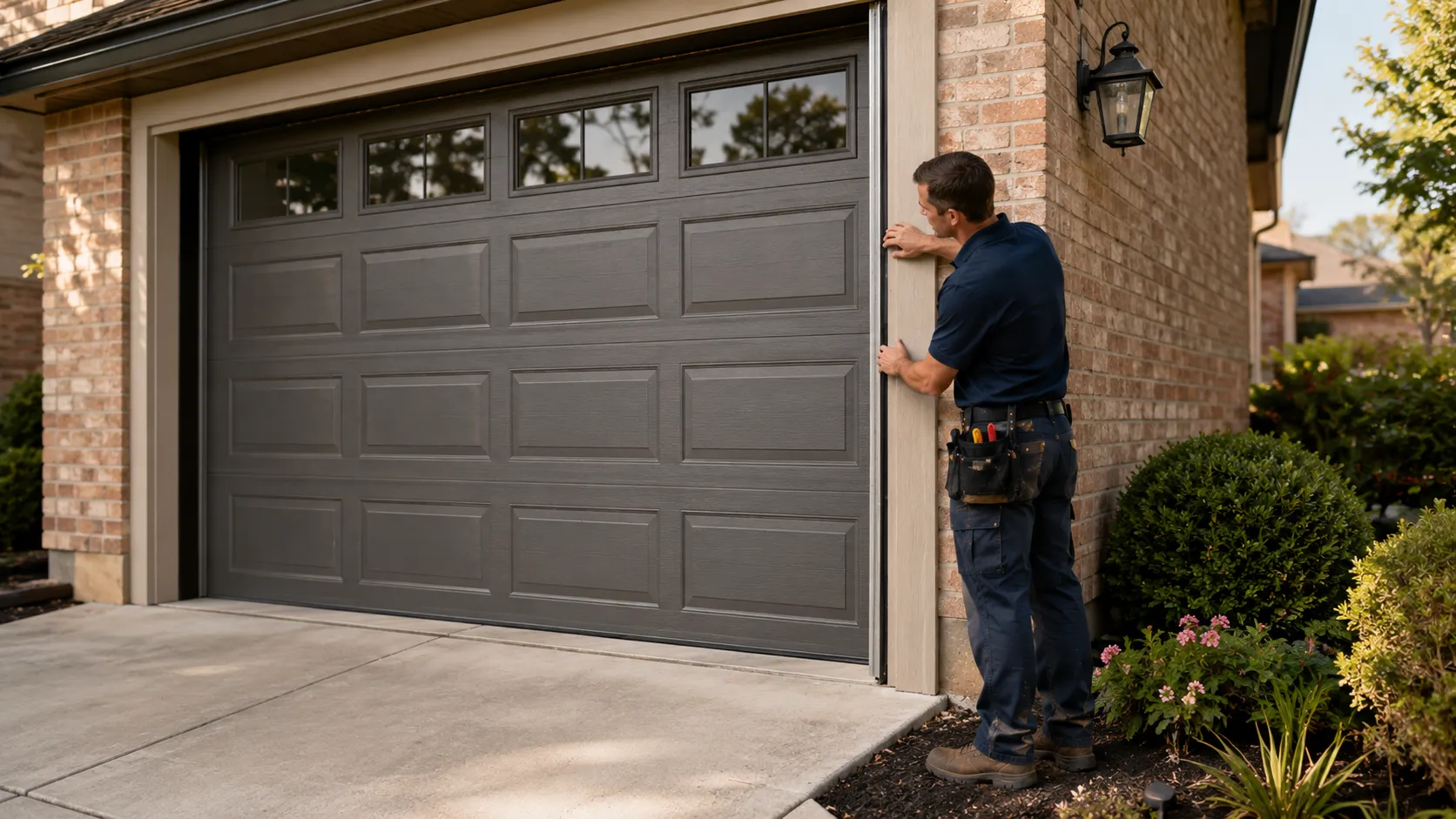
South Elgin, Elgin
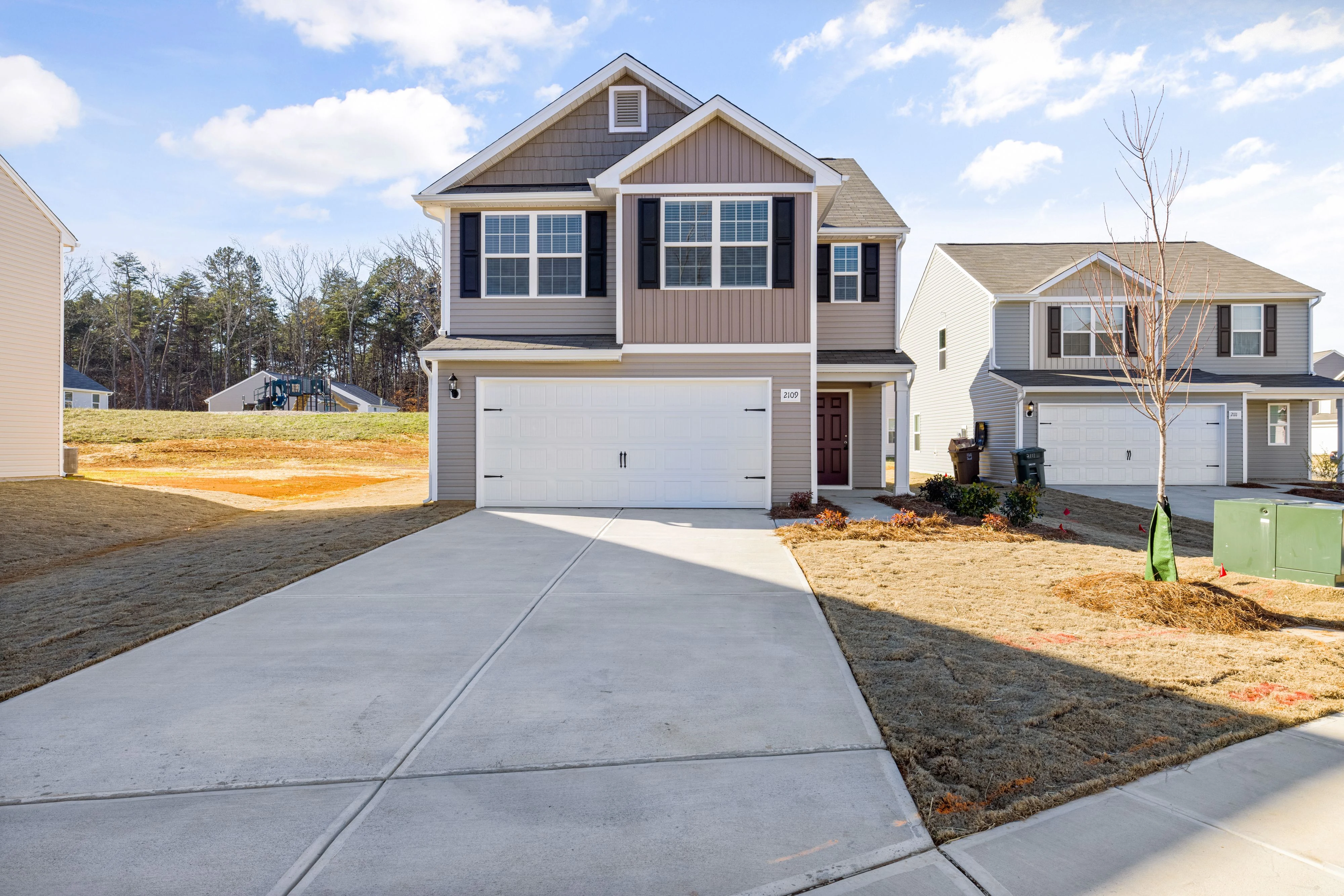
South Elgin's 8,447 households sit on mostly 1990s-2000s builder-grade doors. We drive the 3 miles from Elgin to fix the springs, openers, and tracks that era actually breaks.
Local causes
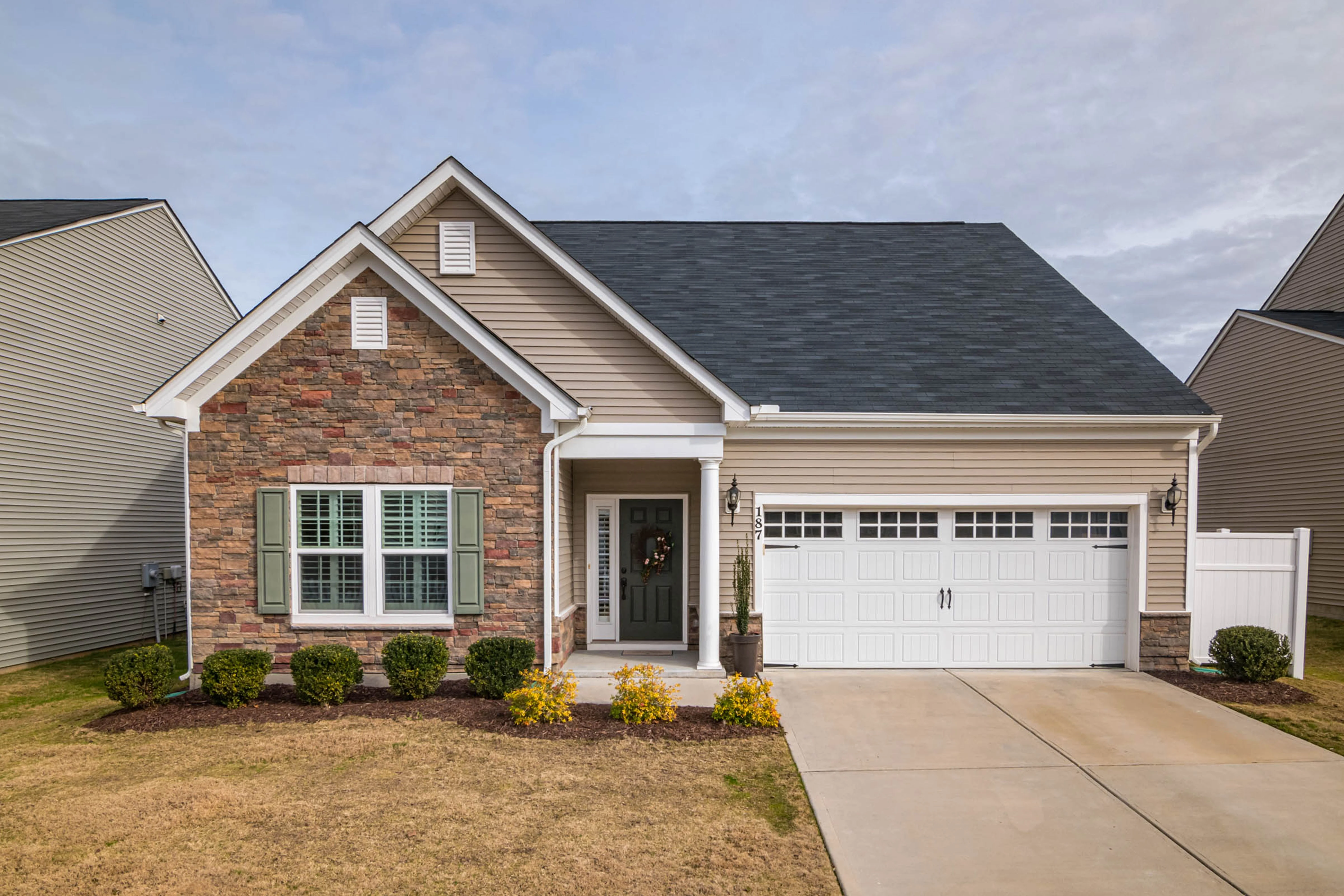
South Elgin has 8,447 households, small enough that a garage door tech isn't chasing a different housing era on every block. Most of this town went up around 1996, later than the wider Elgin service area's median of 1986. That matters because a house built in the mid-90s doesn't have the same door as one built in the 60s or 70s. You're mostly looking at builder-grade steel sectional doors on standard torsion springs, paired with chain or belt-drive openers that were mid-range for their decade. The failure pattern follows the build date: springs sized for a lighter door that's since had insulation or a new heavier panel added, rollers that were plastic from the factory and are now 25-plus years old, and openers with circuit boards that are past their working life but still limping along. We're not chasing exotic hardware here - we're chasing parts that were common builder-grade stock in the mid-90s and are now simply worn out.
DIY or pro
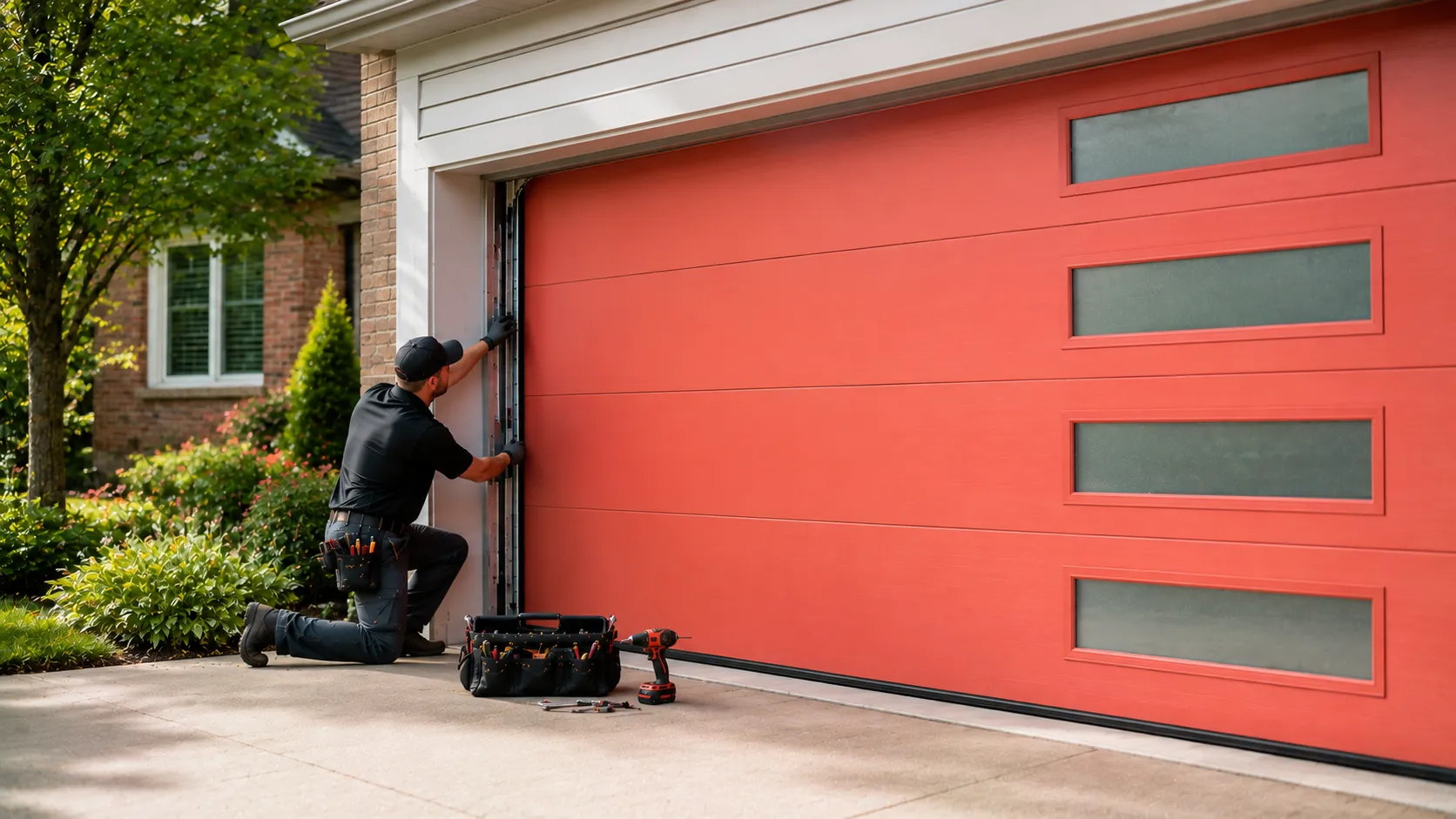
South Elgin's median household income runs $123,744, above the wider service area's $111,898, and that shows up in what people ask us to look at. Homeowners here often want to know if a repair is worth doing themselves before they call - and for some things, it is. Lubricating hinges, tightening loose bolts on the track, replacing a worn weatherstrip: fine to do yourself. Torsion springs are not. A door built in the mid-90s range still uses torsion springs under real tension, and the tool for winding them isn't something you improvise with a screwdriver. We'll tell you straight when a job is a $20 part and twenty minutes, and we'll tell you straight when it's not - we'd rather lose a small job than have you lose a finger.
The repair
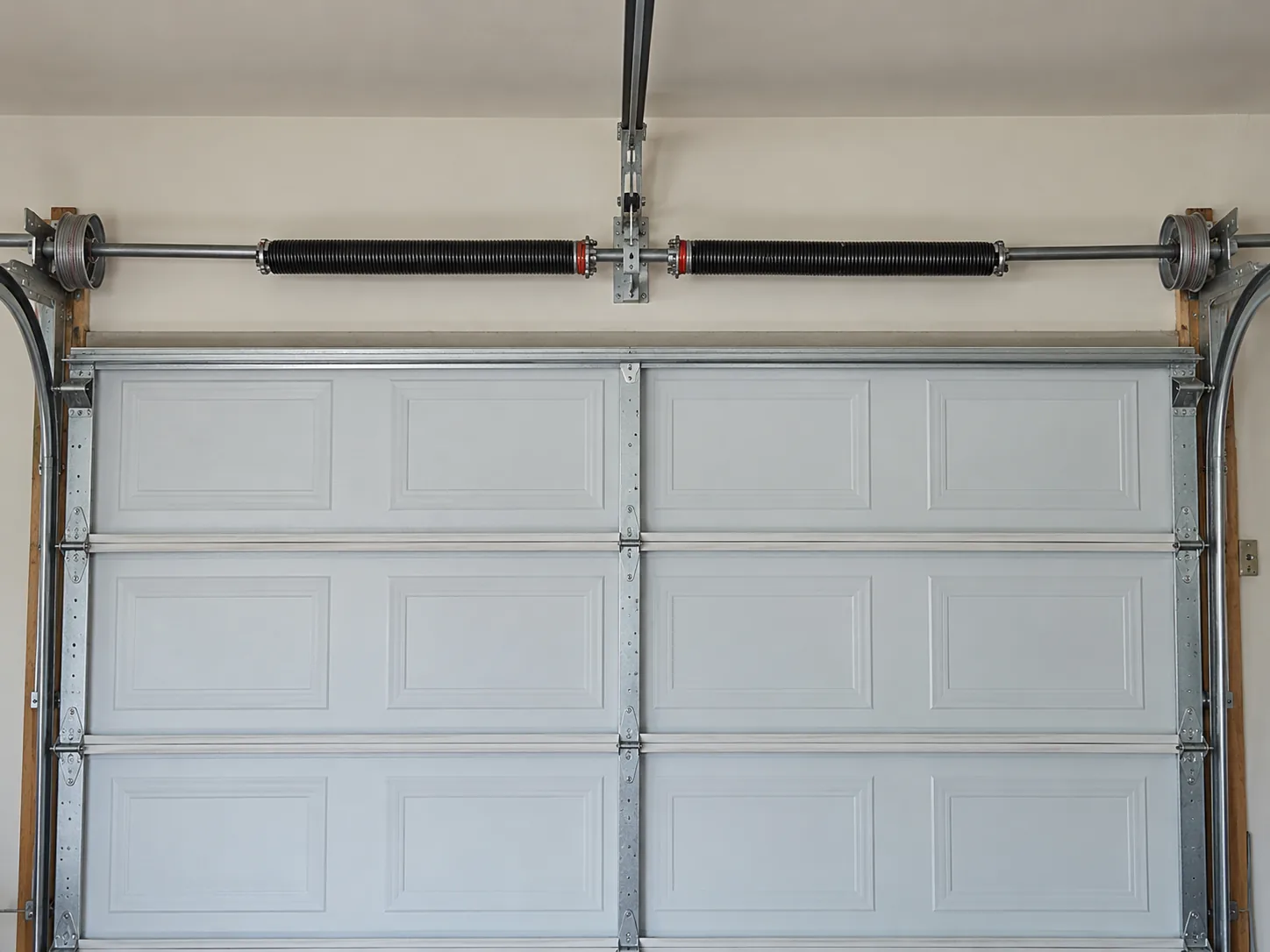
On a door from this build era, the fix usually starts with the spring size. Builder-grade doors from the mid-90s were often spec'd with the minimum spring weight the door needed at the time, and any added insulation, a heavier replacement panel, or just decades of sag changes that math.
We measure the door's actual weight and wind diameter rather than assuming the original spring was right, because in a lot of these houses it wasn't quite right to begin with.
Beyond the spring, we check the drum, the cable routing, and the torsion tube for the kind of wear that shows up specifically on hardware pushing past 25 years of daily cycles.
If the opener is original to a mid-90s build, the gear housing and the circuit board are usually the two points that finally give out, and we'll tell you which one it is before we quote anything.
On the truck
For the door stock common in South Elgin, we carry torsion springs in the sizes that match mid-90s to early-2000s builder-grade doors, standard-lift cable and drum sets, and steel rollers to replace the plastic ones that shipped from the factory back then. We stock chain-drive and belt-drive opener parts that fit the mid-range residential units sold through that build era - drive gears, sprockets, and safety sensor kits. What we don't stock is anything for a custom or architectural door; if your house has one of those, we'll order the part and tell you the lead time up front rather than guess.
Warning signs
Illinois winters put real load on a door that's already worn, and the climate here runs cold with real seasonal swings.
A spring that's marginal in October usually finishes failing on the first hard cold morning, because cold steel is less forgiving of a spring that's already fatigued.
You'll hear it before it breaks completely: a grinding or popping sound as the door lifts, or the opener straining and reversing partway up. On a door pushing 25-plus years, a stuck or slow-closing door is often the rollers, not the opener - worth checking before you replace anything expensive.
Booking
We're based in Elgin and cover South Elgin as part of that same run - it's about 3 miles, so getting a tech to your door doesn't mean waiting on someone crossing the whole county. We don't have a branch office in South Elgin itself, and we're not going to pretend otherwise; every job here is dispatched from Elgin. Tell us the age of your house if you know it and what the door is doing - grinding, not closing, opener running but door not moving - and we can usually tell you what part we're bringing before we're on the road.
Questions
Steel springs and cold don't mix well - a spring that's already fatigued from age has less give in cold weather, so it's more likely to snap on the first hard freeze than in mild months. If your door is from the mid-90s build era common in South Elgin, that spring has had close to three decades of cycles behind it already.
If your house was built around 1996 like most of South Elgin and the opener has never been replaced, it's likely a chain or belt-drive unit that's now well past its working life. Circuit boards and gear housings on units that age are the two most common failure points we see.
No. We're based in Elgin and drive the roughly 3 miles into South Elgin for jobs here. There's no separate branch, so every visit is dispatched from the Elgin shop.
If the door panel itself is sound and it's just the spring, cables, or rollers, a repair makes sense. If the door is original to a mid-90s build and showing rust, warping, or repeated hardware failures, replacement usually costs less over time than repeated repairs.
Explore more
Ready when you are
Elgin Garage Door Pros repairs and installs garage doors, springs and openers in Elgin, IL and the surrounding area.